

JAIPUR, Apr 25: Vaibhav Sooryavanshi’s century went in vain as Sunrisers Hyderabad beat Rajasthan Royals by five wickets in their IPL match here on Saturday.
Sooryavanshi hammered his second hundred in the IPL – a 37-ball 103 – as Rajasthan Royals put on board a strong 228 for six after they were put in to bat first.
Sooryavanshi got plenty of support from Dhruv Jurel, who made a 35-ball 51 and, helped the teenager milk 112 runs for the second wicket. In the death overs, Donovan Ferreira (33) played some big shots as RR went past the 200-run mark.
But, SRH chased down the target of 229 with nine balls to spare, with Ishan Kishan top-scoring with a 74 off 31 balls. Abhishek Sharma chipped in with 57 off 29 deliveries as SRH reached 229 for 5 in 18.3 overs.
Brief Scores:
Rajasthan Royals: 228/6 in 20 overs (Vaibhav Sooryavanshi 103, Dhruv Jurel 51; Pat Cummins 1/27, Eshan Malinga 2/38).
Sunrisers Hydearabad: 229 for 5 in 18.3 overs (Ishan Kishan 74, Abhishek Sharma 57; Jofra Archer 2/34, Brijesh Sharma 2/44). (PTI)
Sooryavanshi’s century in vain as SRH beat RR by 5 wickets

DBPS releases calendar book on festivals, religious events
Excelsior Correspondent
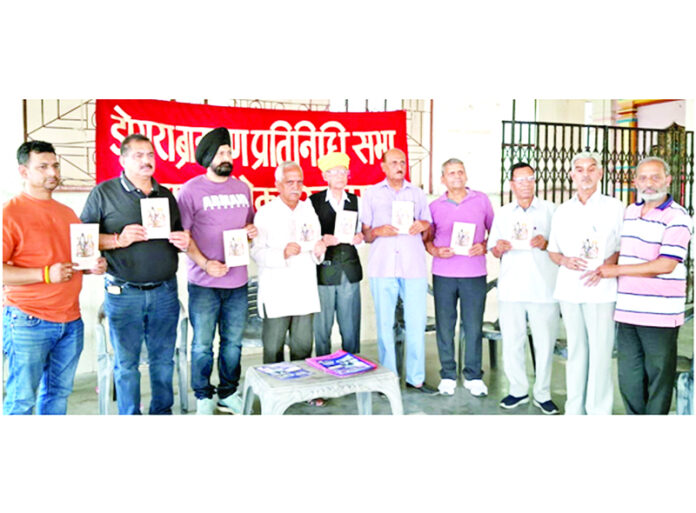
JAMMU, Apr 25: A calendar book informing about religious festivals and events during the year, published by Mandir Shri Geeta Bhawan, Railway Colony, Krishna Ganj Delhi, was released here today.
The calendar book, written by prominent writers Gopal Sharma and Ram Parshad Sharma, was released during a function organized by the Dogra Brahman Pratinidhi Sabha, in collaboration with other social and cultural organizations.
Ved Parkash Sharma, president of Dogra Brahman Pratinidhi Sabha, released the book in the presence of Kuldeep Singh Bhatia, Secretary Board of Technical Education (BOTE) and Anil Gupta, Sr Vice-President of Chamber of Commerce and Industries and prominent personalities of various socio religious organizations. Chairman of the DBPS and former Additional Advocate General, P C Sharma presided over the function while former Deputy Commissioner B S Jamwal, NMC President Subash Shastri and Baba Bhair Dev Sathan Trust General Secretary Ramesh Sharma were the guests of honour.
The publisher announced that about five thousand copies of the book will be distributed among people of Jammu so that they can have the knowledge about the religious activities taking place around the year.
Speaking on the occasion, Ved Parkash Sharma disclosed that writers of the book have an association with the Brahman Sabha. He hoped that management committee of the Mandir Shri Geeta Bhawan shall continue to cooperate in future also.
Jagan Nath Sharma, M L Padha, K L Sharma, Krishan Lal Sharma, Jagan Nath Sharma, B R Sharma, Ritiz Khajuria, Sanjiv Kerni, Prem Balotra, Girdhari Lal and representatives of the various social religious organizations were also present on the occasion.
Tourism in the Himalayan Ecosystems of J&K
Diversifying and Balancing the Growth
Prof Bharti Gupta
bharti.ttm@cujammu.ac.in
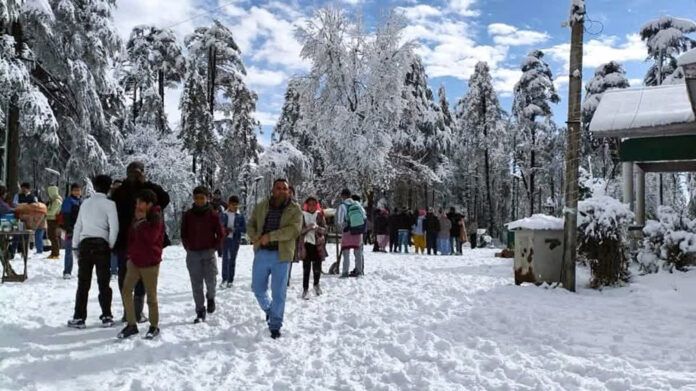
The Union Territory of Jammu and Kashmir is uniquely positioned within the complex physiographic framework of the Himalayas, encompassing a multi-tiered mountain system that significantly shapes its environmental and tourism characteristics. The region comprises the Shivalik (Outer Himalayas), the Lesser Himalayas (Himachal), and the Greater Himalayas (Himadri), each contributing distinct geomorphological and tourism attributes. The Shivalik range, forming the outermost foothills particularly across parts of the Jammu division, is characterized by low hills, including areas such as Jammu, Udhampur, and Kathua, which act as important gateways for pilgrimage and transit tourism. Moving inward, the Lesser Himalayas and Pir Panjal ranges host scenic hill destinations like Patnitop and Bhaderwah. The Pir Panjal Range falls within the Lesser Himalayas, but it is often treated as a distinct and prominent sub-range because of its significant geographical, climatic, and cultural role-especially in Jammu and Kashmir. In fact, it acts as a major barrier that separates the Kashmir Valley from the Jammu plains. It influences the climate by blocking monsoon winds and shaping snowfall patterns. It defines important passes and routes like Banihal. The Greater Himalayas define the high-altitude landscapes of the Kashmir Valley with their snow-clad peaks and glaciated terrain. This layered Himalayan structure not only determines climatic variations and ecological diversity but also underpins the spatial distribution and diversity of tourism across both the Jammu and Kashmir divisions.
In the Jammu division, the Himalayan foothills and middle mountain ranges host significant destinations. Pilgrimage tourism forms a major component here, anchored by the globally renowned Vaishno Devi Temple in Katra, which attracts millions of devotees annually and substantially contributes to the regional economy. Beyond pilgrimage, Jammu’s Himalayan landscapes offer a range of scenic and adventure destinations that are increasingly gaining recognition. Places such as Patnitop, Sanasar, and Bhaderwah represent emerging and underexplored tourism hubs characterized by meadows, dense forests, and opportunities for paragliding and trekking. Similarly, regions like Kishtwar, Doda, and Poonch remain largely unexplored, despite possessing immense potential in terms of natural beauty, high-altitude lakes, and cultural richness. These areas, embedded within the Himalayan terrain, offer possibilities for diversifying tourism away from saturated destinations and promoting balanced regional development.
Tourism in the Kashmir division has traditionally dominated the image of the region, with destinations such as Gulmarg, Pahalgam, Sonamarg, and the Kashmir Valley representing well-established and extensively explored tourist circuits. These areas offer a blend of scenic beauty, adventure tourism, and leisure experiences, supported by relatively developed infrastructure. Tourism in Jammu and Kashmir remains heavily concentrated in the Kashmir Valley and the pilgrimage hub of the Vaishno Devi Temple. While the Himalayan setting has endowed Jammu and Kashmir with exceptional tourism assets, it has also exposed the region to significant environmental and socio-cultural challenges. The concentration of tourist activity in highly popular destinations, particularly in the Kashmir Valley and around Katra, has led to issues of overtourism, where the influx of visitors exceeds the ecological and infrastructural carrying capacity. This manifests in the form of traffic congestion, waste accumulation, deforestation, and pressure on water resources. At the same time, the underdevelopment of tourism infrastructure in lesser-known areas of Jammu highlights a spatial imbalance, where economic benefits are unevenly distributed. Climate change further exacerbates these concerns, as the fragile Himalayan ecosystems face glacial retreat, altered precipitation patterns, and biodiversity loss, all of which threaten the long-term sustainability of tourism.
In response to these challenges, the adoption of sustainable, responsible, and regenerative tourism practices becomes imperative for the Himalayan belt of Jammu and Kashmir. Sustainable tourism emphasizes maintaining a balance between environmental conservation, economic development, and social equity, ensuring that tourism does not compromise the ecological integrity of the region. Regenerative tourism goes a step further by advocating for tourism practices that actively restore ecosystems and enhance community well-being, which is particularly relevant in fragile mountain environments. Responsible tourism, on the other hand, calls for ethical behavior from all stakeholders, including tourists, policymakers, and local communities, promoting awareness, waste reduction, and cultural sensitivity. Addressing overtourism requires strategic planning, such as dispersing tourist flows to underexplored and unexplored destinations
The Jammu division, spread across the Shivalik and Lesser Himalayan ranges, offers a wide array of scenic, cultural, and adventure destinations that remain underexplored or largely unexplored. Diversifying tourist flows toward these areas can significantly reduce pressure on saturated destinations while promoting balanced regional development. The Doda-Kishtwar-Ramban Belt is perhaps the most promising yet underutilized tourism zone in Jammu. For instance, Bhaderwah in Doda is relatively underexplored despite its lush meadows, dense forests, and pleasant climate. Nearby areas like Jai Valley and Padri Pass offer immense potential for eco-tourism and trekking. Doda offers pristine landscapes, rich traditional culture, and high-altitude lakes, yet remains relatively underdeveloped in terms of tourism infrastructure and visibility. Similarly Kishtwar is a largely unexplored destination which is ideal for adventure tourism, trekking, and wildlife exploration. Ramban, though a transit district, it has hidden gems like waterfalls, meadows, and trekking routes that remain unexplored. The Rajouri-Poonch region holds immense cultural and natural diversity, but is still on the margins of mainstream tourism. Rajouri is an underexplored district with scenic valleys, historical sites, and trekking potential. Areas like Thanamandi and Budhal are particularly rich in natural beauty. Poonch is also a largely unexplored destination with Mughal Road connectivity, historical forts, and breathtaking mountain landscapes. The Mughal Road Corridor connects Poonch with Kashmir, this historic route passes through high-altitude meadows like Peer Ki Gali and offers immense potential for scenic and heritage tourism but remains underdeveloped.
Further, the Udhampur-Reasi Belt in the Shivalik/ Lower Himalayas remains overlooked beyond pilgrimage tourism. Udhampur, apart from being a transit hub, it has unexplored trekking trails, forest areas, and viewpoints. Reasi, known primarily for Vaishno Devi, but places like Siar Baba waterfalls, Bhimgarh Fort, and rural landscapes remain underexplored for leisure and eco-tourism. Sanasar, though gaining popularity, is still underutilized compared to mainstream hill stations and has potential for paragliding, camping, and golf tourism.
Kathua and Basohli Belt in the Shivalik Foothills represents a mix of cultural heritage and scenic landscapes but remains outside mainstream circuits. Basohli is a highly underexplored destination known for Basohli paintings, the Ranjit Sagar Dam, and serene landscapes. Kathua offers riverine landscapes, historical temples, and proximity to Punjab and Himachal, yet remains largely unexplored for tourism development.
The underexplored and unexplored destinations of the Jammu division, therefore, collectively offer immense potential for tourism diversification within the Himalayan belt of Jammu and Kashmir. Their planned and sustainable development can play a crucial role in reducing overtourism in established hotspots such as Gulmarg and Pahalgam by redistributing tourist flows to less crowded regions. This spatial redistribution would not only ease environmental pressure on fragile ecosystems but also promote regional equity by extending tourism benefits to peripheral and economically less-developed areas. Furthermore, these destinations provide a strong foundation for the promotion of eco-tourism, adventure tourism, and cultural tourism, given their rich natural landscapes and unique socio-cultural fabric. Importantly, their development can foster community-based and regenerative tourism models, wherein local communities actively participate in and benefit from tourism while simultaneously contributing to the conservation and restoration of their natural and cultural resources. However, their promotion must be carefully planned to avoid replicating the problems of mass tourism. Sustainable infrastructure, strict carrying capacity norms, and community participation should form the core of any tourism development strategy in these fragile Himalayan landscapes.
The future of tourism in the Himalayan region of Jammu and Kashmir lies in its ability to transition from a model of concentrated mass tourism to one of dispersed, sustainable, and experience-based tourism. Promoting lesser-known destinations in the Jammu division, alongside the already established circuits of Kashmir, can create a more balanced and resilient tourism economy. Infrastructure development must be aligned with ecological considerations, and community participation should be central to tourism planning. If managed judiciously, the Himalayan landscapes of Jammu and Kashmir can continue to attract visitors while preserving their natural and cultural heritage. However, failure to address the challenges of overtourism and environmental degradation may lead to irreversible damage, ultimately undermining the very foundation of tourism in this ecologically sensitive region.
(The author is from Department of Tourism and Travel Management, Central University of Jammu)
Dr Andrabi dedicates 1st multi-utility sports stadium to public in Doda
Excelsior Sports Correspondent
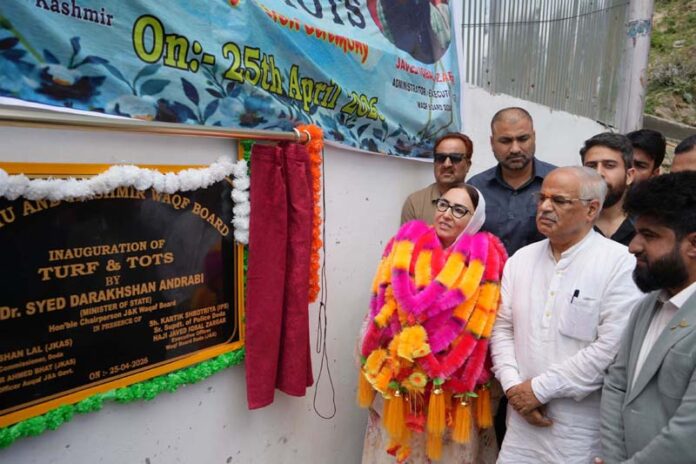
DODA, Apr 25: A major push to public welfare infrastructure was witnessed in Doda today as Jammu & Kashmir Waqf Board Chairperson Dr Syed Darakhshan Andrabi inaugurated a first-of-its-kind sports and recreational facility and announced further development initiatives.
Dr Andrabi attended the inaugural function organized by the Board as chief guest, where Ashok Koul was present as the guest of honour. Eminent civil society members and Board officials, including Special Officer Bashir Ahmad Bhat, Administrator Jammu Aabid Hussain, and Executive Officer Doda Hani Javed Zargar, also participated in the event.
The J&K Waqf Board Chairman dedicated to the public the first-ever multi utility sports stadium-cum-recreational facility set up by the Board in Doda. Featuring high-quality turf and modern recreational equipment, the facility is being seen as a unique addition to the region’s infrastructure.
Addressing the gathering, Dr Andrabi said the Waqf Board is now focusing on expanding its role in public welfare across Jammu & Kashmir. “This year will mark the expansion of the Board’s developmental vision into public welfare sectors. This facility will open new avenues for local youth, and it is heartening to see the joy among the people,” she said.
She also laid the foundation stone for a guest house to be constructed by the Board in the town. During the visit, she, along with Ashok Koul and other officials, reviewed and discussed the ‘Nasha Mukti Abhiyaan’ being carried forward across the Union Territory.
Speaking on the occasion, Ashok Koul said the transformation witnessed in the Waqf Board over the past four years has been historic. “It is encouraging to see significant public welfare projects being dedicated to the people. This reflects the commitment of the leadership to utilize resources for the greater good,” he added.
Tribute paid to Santoor Maestro Pt Shiv Kumar Sharma

Excelsior Correspondent
JAMMU, Apr 25: A meeting of the executive members of Padam Vibushan Pt Shiv Kumar Sharma Memorial Bhartiya Sangeet Foundation Jammu Tawi was held here today to pay tribute to the renowned Santoor Maestro, Shiv Kumar Sharma on his 4th death anniversary.
Pt. Shiv Kumar Sharma, son of the soil was remembered for his outstanding contributions in the field of classical music and light music and his contribution to Bollywood also as a Music Director.
Nidhi Dogra, daughter of Late Pt. Girdhari Lal Dogra Ji, Patron Founder of the Foundation while remembering the music icon said that Pandit Ji was an ambassador of Dogra and made us proud at national and international level.
Captain Lalit Kumar Sharma, former APCCF, Convenor, Founder of the Foundation said besides being a Santoor Maestro and a Tabla expert, Pt. Shiv Kumar Sharma had equal mastery over Santoor.
Suresh Kumar Sharma, a business tycoon and founder Chairman of the Foundation, Prof Anupama Sharma, founder Vice Chairman of the Foundation, Advocate Chander Mohan Sharma, Pt. Brij Mohan Dubey, famous poet, Film Director and a Producer, Sharad Sharma, founder treasurer of the Foundation, Varinder Raina, executive member and founder of the Foundation, Surinder Sagar, founder secretary, Ashok Kohli, founder media secretary of the Foundation, Rakesh Mohan Kaushik, Pawan Kumar Sharma, Sangeeta Sharma and Kumari Gayatri Devi also paid tributes to Pandit Ji.
Himalayan Forest Farmland Foods
O P Sharma Vidyarthi
opsfrijik@gmail.com
Himalayas have remained abode of sages and saints who explored different locations in search of solace,tranquility and gathered understanding about natural bioresources ,alpine glaciers and melting snow ,birch forests with medicinal herbs of different kinds, devdar and fir forests,oak and Rhododendron forests, subtropical temperate and alpine flora, coining names after gods and godesses, sages and saints before scientific understanding and modern approaches towards forestry management. With large scale exploitation of resources,large scale deforestation, unstainable commercial resource utilization ,delicate balance between nature and humans got disrupted causing landslides in the fragile habitats, early warming & defiecient rainfall leading to unprecedented forest fires, indiscriminate use of agrochemicals, insecticides & pesticides, soil s got impoverished, invasive alien species got foothold thereby depleting indigenous medicinal and plants. Nature has engineered food webs and anthropogenic pressures led to ecological imbalance causing erosion of resources ,soils got eroded, invasive species proliferated,droughts and floods caused unprecedented havoc as we witnessed during 2014 september deluge and 2025 monsoon fury that took toll of human lives at pilgrimage locations like Chashoti on way to Machail in J & K in particular and west Himalayas in general.Biodiversity builds resilience of ecosystems,many herbivores are food for carnivores, coexistence as practised since ages stand shattered causing man animal conflict and disconnect with nature.With a view to understand traditional use of forest plants ,we need to know neighbourhood wild edible relatives of spices,millets, fruits, vegetables, grains as whatever we cultivate,market and use as food, it has background linkages to wild crop relatives and wild edible plants are needed by plant breeders to improve quality of cultivated crops, so documenting traditional edible plants becomes a priority for sustainable forest management,food and health security as per national and international agreements on Biodiversity conservation,sustainable development and eradication of poverty,malnutrition as per sustainable development goals 2030.
Forests & farmlands around villages of Jammu & Kashmir have not only enchanting verdant green landscapes for tourists, pilgrims,mountaineers,nature lovers ,wilderness explorers but offer interesting lesser known cuisines, beverages, teas, sauces, snacks, porridges, pickles derived from diverse tubers, fruits, roots, shoots, springtime leafy buds ,seeds and rhizomes that are not only organic, healthy, nutritional but have a potential to earn livelihoods, promote indigenous culture, revive interest in forgotten foods, conserve wild edible plant relatives and ensure food security during unprecedented flood fury, blockade of roads,famines,drought periods,failure of crops and war like situations in the backdrop of climate change and wider scale use of pesticides and plastics that harm not only environment but also human health.
Important wild edible plants that are consumed in different villages of Jammu & Kashmir since ages and still used by ethnic communities in remote hilly and mountainous villages are detailed as under :
Edible tubers, rhizomes, corms and roots
Jammuites are familiar with edible yam known to locals as Tarad that finds demand even in cities is creeper that is linked to Mahashivratri celebrations in Uttrakhand ,Tarad cuisine with longer rhizomes look like tresses of Lord Shiva and made into cuisines on shivratri day.In Jammu hills several similar tubers like Seyaadu,Kitthi are also harvested for food as different species of Dioscorea. Special curd cuisine called Keyaaloo Aasra is developed from bulbs of Lady Tulip in Udhampur & Ramnagar villages.Another interesting tuber called Bidd Badaar (Vidarikand) is harvested for developing curry as well as kheer in Jammu shivaliks,first time developed by Food craft Institute of Jammu,material sourced from Udhampur,large climber grows in Saruinsar & Mansar wildlife sanctuaries as well but harvest is recommended from community lands.Roots of sohanjana ,Moringa roots are used as pickle, it is cultivated in Kanhachak area and finds market in Jammu city.Tubers of Kala zeera consumed by locals in Padder Kishtwar and Gurez Kashmir.Radish rooted Catmint is another aromatic herb that yields edible swollen roots and consumed in Warwan Marwa mountains as revealed by Dr Muzaffar Rathar, local name is Mujj Gogul.
Edible figs and fig leaves :
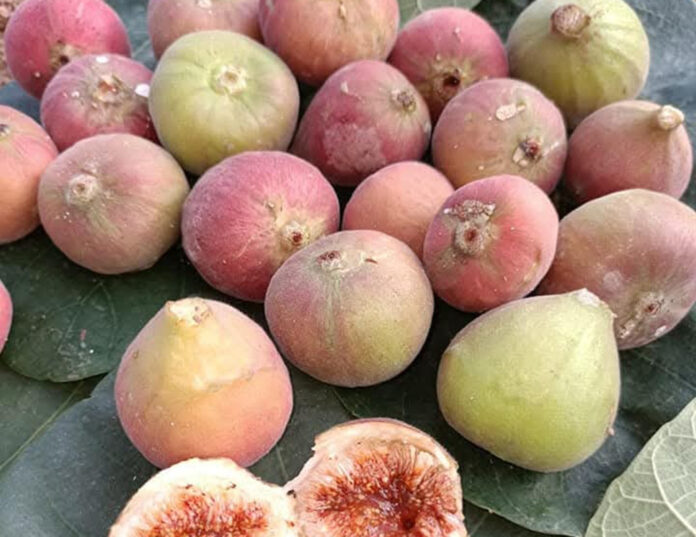
Jammu hills have dozen species of wild figs that are not only edible to locals but different recipes,snacks and chillas are developed in villages.Fig trees are held sacred as they are worshipped since ages,they act as keystone species for different insect & bird and primate life.Tender shoots,fruits of Punjab fig called Phagwara or Phakada is cooked with curd as delicious curry in early spring,fruits are edible & fondly consumed in summer.Other unique fig named as Eve’s apron fig or Roxburgh’s fig or Elephant ear fig known to Dogras as Trimbal is seen growing not only in tourist hill destinations like Pancheri,Laatti,Dudu,Sukrala ,Chauntra Devi but even in Jammu city along Ranbir canal and in the campus of J&K Academy of art,culture & Languages ,tender figs eaten as vegetable,Dahi rayta ,snacks,even tender leaves are cooked as pot herb and honey rich ripened fruits are offered to guests as seasonal figs of summer.Likewise lesser known Oleander leaved fig known to Rajouri Reasi people as Dodhla ,springtime foliage is cooked as vegetable.Around Jhiri Kanhachak and Gajansoo area ,it is common practice to harvest tender leafy buds of another sacred Fig Pilkhan Palaakhi ,buds are pickled ,added to rice pulav,made into pakoudis as told by Purushotam Lal Dubey Shastri ji who displayed Palakhi Pulav first time during Van Paryavaran mela organized in Environment Park Raika.Prop roots of Banyan fig are used to develop herbal tea decoction in Akhnoor area and tender foliage of Peepal harvested to develop seasonal snacks in Kandi area of Jammu.Lesser known Nepal fig that climbs on other trees is seen in Baba Dhansar forest ,tender leaves cooked as vegetable and ripe figs eaten by humans under the name Van Phakaadi or Van Dumri.
Edible shoots, leaves and spring foliage
Villagers as per traditional wisdom of elders have passed on edible plant knowledge through oral traditions ,herbal preparations and folklore. On visit to Tahli Mata mandir on Baisakhi day,I found edible Silly ash Koda tree with fragrant flowering that reminded of childhood Dogra dahi dish prepared from tender coppery red toothed foliage of tree known to Dogras as Punney da saag (Named after Hindi name Puniya) in hills,it is related to Chamrode and Lasooda trees and finds family affinity to Ratanjot Ghaahjubaan.Sohanjna leaves,flowers and tender pods are storehouse of nutritional elements and consumed in different preparations.Curry patta known to Dogras as Daraunkal (Meethi neem) is another Shivalik shrub that is used in cuisine making & beverage development.Interestingly tender shoots of forest climber known to locals in Ramban Batote belt as Pathoran di bel,identified Botanically as Bosia amherstiana from Amaranth family is consumed as seasonal vegetable in spring season.Tender foliage of onion related Hoal saag seen growing in Trikuta mountains is sold at Tikri market ,its botanical identity is Eremurus persicus ,name persicus means it is present even in persian region.Another more familiar perennial herb seen growing on mountain slopes of Paddar,Margan,Synthan,Gurez,Pahalgam,Sonamarg and known to locals as Kaahlu in Kishtwar,Prezdar in Kashmir, Bulkat in Gurez is sold in the market as vegetable,its harvest is done in early spring as tender leaves are cooked.Author introduced this plant in Botanical garden but it perished after scorching summer.Different other herbs consumed by Dogras include Tandalak (Sorrel),Chhura (Commelina),Itt sitt (Punarnava),koku (starwort),Indu saag (Venus comb),Lolru phofru (Takla ,Bladder campion),Kunaanh (Chenopodium murale),Saddar Soi (nettle),Handri (Dandelion),Wopalhaak (Tassel),Saridi Maina (Medick clover) etc.
Edible forest & farmland flowers:
Wilderness spaces get painted with blossoms of various kinds,many wild flowers are harvested by Dogras to develop traditional sauces,teas,beverages and sherbats.One familiar flower seen growing in Shivaliks is Banafsha that finds mention in Dogri poetry as well,”Banakshey de phull chuni jaa” song resonates with hearts of locals. More fascinating red flower bunches that attract attention of tourists visiting shrines like Shahdra Shrief,Budha Amarnath,Sukrala Devi,Vasuki nag Dudu,Budd Vasak Bhaderwah is Chiu flower named Lal Burans in Hindi & Rhododendron arboreum in Botany,its sour petals are used in making Holi colour,chiu chatni,Chiu chai and chiu pakaudi.Familiar flower buds of Kachnar (Katryiaad,Kaliyaad in Dogri) sold in March April,useful against blood & thyroid related ailments is consumed as delicious curd vegetable and also buds are pickled in Dogra homes.Adusa flowers known to Dogras as Brhainkad are innovated as Gulukand ,herbal tea for treatment of respiratory troubles.Flowers of Also related wikd winter Flax known as Baal Basant or Piyoli in Uttrakhand is edible flower that is adored in folklore and used in Phooldei celebrations.Edible flowers of Flame of the forest known in Hindi as Tesu and Tattuye in Dogri used not only as Holi ka gulaal but consumed as refreshing health drink during scorching summer,it has several health benefits especially against urinary troubles,skin problems and blood related abnormalities,flower is medicinal,decorative as well as edible to locals.Semal flower buds are developed into a very interesting Simbal da Ambal (Semal ka khatta) in early spring before buds open into elegant blood red blossoms that allure birds of several kinds & colours .Interesting find of Yellow flowering Semal by herbal innovator Pooja Kapoor got into newspaper headlines & social media this year.
Wild Forest fruits for forest food feast
City markets & fruit mandis are flooded with several fruits like Kiwi,Persimmon,Amlook,Raspberry,Grapes but wilderness too provides lesser known wild fruits known to few.One lesser known fruit is Kaafal ,May berry ,nitrogen fixing tree grows in few forest locations like Chor motu Ramkot hills ,Shivkhori Sangar hill top,Kardoh nala Bani hills,fruit has considerable popularity as medicinal fruit of Uttrakhand but SKUAST Jammu has not done to cultivate this forest fruit tree that is good against heart ailments and aging problems.Changol fruit known to Botanists as Hovenia acerba need to be included in Forest nurseries as edible forest food tree of Jammu hills not known to many.Gauri kund area of Sudhmahadev has familiar presence of Yellow Raspberry known to locals as Peeley Aakhey or Aakhrey that connects Dogras to Short winged Himalayan cuckoo known to Dogras Piyoke bhejo as fruit availability is around Baisakhi festival and as per legend girl who got married in Punjab always pleaded for maternal house visit but never got permission to visit piyoka due to wheat harvest season and whenever she visited Aakhrey had got vanished,same woman got transformed into bird that utters sad notes repeating her grief as – aakhey paakey mai neyi chaakhey ,piyoke bhejo piyoke bhejo,Zoological bird is identified as Cuculus microoterus not to be confused with Papeeha Hierococcyx varius that is Brain fever bird and has different musical notes known to Dogras as Paihr Dhyaada Paihr Dhyada –. Wild pear Kainth (Pyrus pashia),Daruhardra Kaimblu (Berberis lycium) ,Rhea bush fruits Sansaaru (Dabregeasia hypoleuca ),Ban kanak Oleaster (Elaeagnus umbelkata) ,Paindaak Hawthorn (Crategus songarica),Thaangi Urmuni Hazelnut (Corylus jacquemontii) are other forest fruits that are familiar to locals in Jammu hills and need inclusion in Forest Food parks of Jammu.
Department of forest,Horticulture,Floriculture,Agriculture,Tourism,Rural development under the cooperation and active participation of Biodiversity management committees constituted as per guidelines of Indian Biodiversity act 2002 need to take initiatives to encourage herbal growers,cuisine and beverage innovators,farmers and unemployed youth to take steps to start innovative forest food startups as part of ongoing Viksit Bharat programmes as well as Biodiversity conservation priorities reflected in Kunming – Montreal Global Biodiversity Framework and Sustainable Development Goals 2030.
(The author is Member J&K Biodiversity council Tree Talk founder & field Botanist)
Himalayas of Jammu Region : Towards Eco-Friendly Economic Activity
Dr. Taran Singh
drtaransingh@rediffmail.com
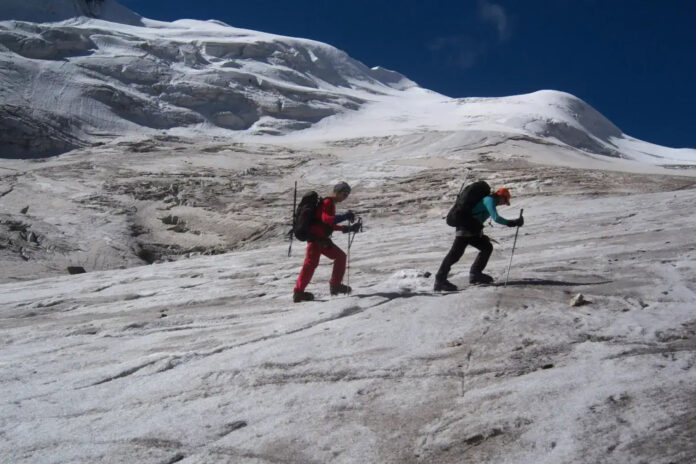
The Himalayan mountains, often referred to as the “water towers of Asia,” are facing an unprecedented ecological crisis. In the Jammu region of the north-western Himalayas, the health of these mountains is deteriorating rapidly due to climate change, unplanned development, and environmental degradation.
The Himalayan ecosystem is warming faster than the global average. Rising temperatures over recent decades have triggered a cascade of environmental changes-glacier retreat, reduced snowfall, erratic rainfall, and an increase in extreme weather events. A particularly alarming trend is the emergence of “snow droughts,” where snowfall is either declining significantly or melting earlier than usual. In recent years, the western Himalayas, including Jammu & Kashmir, have experienced precipitation deficits, severely affecting agriculture and water availability.
The ecological imbalance is further aggravated by deforestation and unregulated infrastructure expansion. Road construction in fragile mountainous terrain has destabilized slopes that are naturally tectonically active. Data from past decades indicate a sharp rise in landslides along major highways, highlighting the growing vulnerability of the region.
Extreme rainfall events-often intensified by climate change-have led to more frequent landslides and flash floods. These disasters not only damage infrastructure but also pose serious threats to human lives and livelihoods.
Another silent but critical crisis is the drying up of natural springs. Studies suggest that more than 50% of Himalayan springs are declining or have dried up, leading to acute water shortages in rural areas. Unplanned human activities, including high-rise construction and excessive use of deep bore wells, are major contributing factors.
The health of the Himalayas is not merely an environmental concern-it is a matter of survival for millions of people who depend on these mountains for water, agriculture, and livelihoods. Immediate action, scientific monitoring, and sustainable development are essential to protect this fragile ecosystem
The Jammu Himalayan region, with its temperate to subtropical climatic zones, holds immense potential for sustainable and eco-friendly economic activities:
Eco-Tourism and Adventure Tourism
Promoting low-impact tourism such as trekking, rock climbing, nature trails, and camping can generate income while preserving the environment. Community-based eco-tourism models can ensure that local populations directly benefit.
Cultivation of Medicinal Plants
The region is rich in biodiversity, including rare and valuable medicinal herbs. Organized cultivation, processing, and marketing of these plants can provide sustainable livelihoods at the local level.
Organic and High-Value Agriculture
Shifting towards organic farming, horticulture (like walnuts, almonds, and medicinal crops), and agro-forestry can improve income while conserving soil and water.
Spring Rejuvenation Projects
Local employment can be generated through watershed management, rainwater harvesting, and revival of traditional water systems.
Eco-Services and Green Jobs
Training youth as eco-guides, biodiversity monitors, and conservation workers can create a new class of “green jobs.”
A practical and innovative approach is to involve trekkers, local communities, and volunteers in collecting environmental data. This can support scientific monitoring while creating awareness.
Proposed Data Collection Format
Location Details
GPS coordinates
Altitude
Date and time
Climate Indicators
Temperature (approx.)
Rainfall/snowfall observation
Signs of snow drought or early melting
Glacial and Snow Data
Snow cover (low/medium/high)
Visible glacier retreat (yes/no)
Changes compared to previous visits
Water Resources
Condition of springs (flowing/reduced/dry)
Water quality (clear/turbid)
Nearby bore well usage
Land and Vegetation
Forest density (dense/moderate/sparse)
Signs of deforestation
Presence of medicinal plants
Disaster Indicators
Landslide occurrence (recent/old)
Soil erosion
Flood impact signs
Human Impact
Construction activity (roads/buildings)
Tourist footfall (low/medium/high)
Waste/plastic presence
Socio-Economic Indicators
Migration trends (increasing/decreasing)
Agricultural productivity changes
Livelihood patterns
Health Indicators
Common diseases reported locally
Water-related health issues
The future of the Jammu Himalayas depends on balancing ecological conservation with economic development. Policies must prioritize environmental impact assessments, regulate construction, and promote sustainable livelihoods.
Community participation, scientific research, and government support must work together. By turning eco-friendly practices into economic opportunities, the region can protect its fragile ecosystem while ensuring prosperity for its people.
YBA, SEWA hold blood donation camp

Excelsior Correspondent
JAMMU, April 25: A blood donation camp was organized at Gurudwara Guru Singh Sabha, Guru Nanak Nagar (Jammu) by the Young Blood Association (YBA) under the leadership of its president Dr Satwant Singh Rissam in collaboration with Harvinder Singh, chairman of SEWA (Sikh Empathy & Welfare Association).
The initiative focused on promoting voluntary blood donation and reinforcing the importance of timely support to patients during medical emergencies. The camp was conducted under the supervision of YBA chairman Anil Padha and carried the message, “Donate Blood, Save Lives,” highlighting the critical role of regular blood donation in saving lives. The event witnessed participation from citizens, youth, and social workers, reflecting growing awareness about the need for a consistent blood supply in hospitals.
Senior leader of National Conference, Vijaylaxmi Datta, attended the camp as the chief guest, while Jagpal Singh, member DGPC, was present as the special guest. Addressing the gathering, Vijaylaxmi Datta noted that such drives play an important role in motivating people, especially the younger generation, to take part in humanitarian initiatives and contribute to society.
Dr Satwant Singh Rissam reiterated the objective of the camp as not only collecting blood units but also building a culture of voluntary donation within the community. He underlined the increasing demand for blood in hospitals and the need for sustained efforts to ensure availability during emergencies.
The organizers had set a target of over 50 donors, and the turnout reflected strong community participation and a spirit of service. The initiative also received support from DGPC president Ranjit Singh Tohra and DGPC member Jagpal Singh, who emphasized the ongoing requirement of blood in healthcare institutions and the importance of such community-driven efforts in meeting critical needs.
Silent Skies: The Disappearance of Vultures
Pooja Devi
poojamanhap273@gamil.com
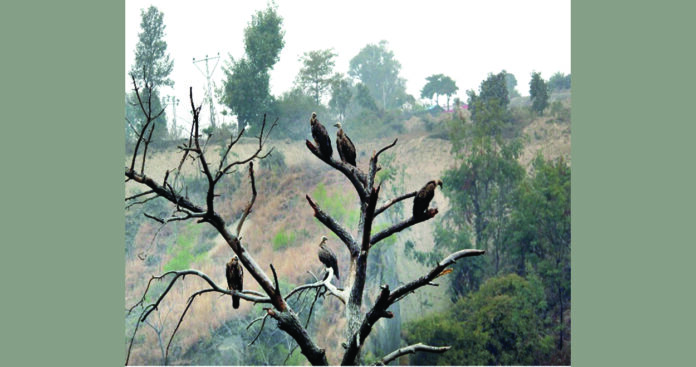
At 6:00 a.m., the mist still hung low over the fields of Dyala Chak in Kathua, Jammu & Kashmir. The air was cool, filled with the distant calls of mynahs and crows. For the past two years, I had walked this stretch every week, my eyes trained to the skies and the treetops, hoping to catch sight of the vultures that once dominated this landscape. The Dayala Chak to Galak road passes through the Shivalik Hills, also known as the Outer Himalayan Ranges.
According to Bird Life International’s assessments, the Himalayan Griffon Vulture (Gyps himalayensis) species is experiencing a decline in population due to habitat loss and food scarcity. Conservation efforts are needed to monitor and protect its habitats. Before the construction of the new road connecting Dyala Chak to Bani, these scavengers were a common sight, their wide wings casting long shadows on the ground. They circled high above the fields, patiently waiting to descend on carcasses of cattle left at the edges of the village. But now, the skies seem eerily empty.
The First Signs of Decline
The decline was gradual at first. I recall seeing fewer nests in the tall trees that lined the old road. Then, over time, carcasses that once attracted dozens of vultures were now visited by only a handful of birds, if any at all. On some mornings, I found dead vultures lying by the roadside, their wings spread helplessly against the dust. It was a disturbing sight-one that left me questioning what was happening to them.
The new road brought with it heavy vehicular movement, noise, and frequent disturbances to their nesting trees. Many trees were cut down to make way for construction, removing their primary roosting sites. Piles of construction debris blocked their access to traditional feeding areas.
My Observations
For two years, I observed the area diligently. I noted the behaviour of the vultures that remained. They seemed restless, flying lower and farther in search of food. Often, I saw them competing with dogs, crows, and even jackals for carcasses. Their dominance in the scavenger hierarchy was slipping. On several occasions, I noticed vultures feeding close to traffic and being hit by passing vehicles-a tragedy born from shrinking safe spaces.The road also meant that carcasses were removed faster to prevent accidents, leaving vultures with less food. Additionally, unmonitored use of veterinary drugs such as diclofenac in cattle-deadly to vultures-could not be ruled out.
An Overlooked Crisis
Unlike tigers or elephants, vultures rarely make headlines. Few people noticed their disappearance, and fewer still seemed to care. Yet these birds play a critical ecological role. By efficiently disposing of animal carcasses, they prevent the spread of diseases to humans and livestock. Their decline has ripple effects-more feral dogs, more disease vectors, and disrupted ecological balance. I often shared my concerns with locals, but most dismissed them as “just birds.” But to me, they were sentinels of our ecosystem’s health.
Witnessing Death
The most heartbreaking moment came one evening when I watched a vulture collapse after feeding on a carcass. Its movements slowed, wings trembling as it fell to the ground. Despite my presence, it didn’t attempt to flee. I stayed by its side until its last breath, feeling utterly helpless. That night, I vowed to document and share what I had witnessed.
Connecting the Dots
Through my observations, I understood that the decline in vultures here was linked to:
l Loss of nesting trees due to road construction.
l Disturbance from increased traffic and human activity.
l Reduced food availability from carcass removal and changing livestock practices.
l Possible poisoning from veterinary drugs like diclofenac.
The Need for Awareness
This is not just a local problem-it mirrors the larger crisis of vulture populations across India. Conservation requires not only laws but also local awareness and education. Roads and development projects must include provisions for protecting nearby wildlife. Safe zones, alternative nesting sites, and strict monitoring of drug use in livestock are essential.
For two years, I have watched the skies over Dyala Chak grow quieter. But I will continue my observations, speak to forest officials, and raise awareness wherever I can. These birds may be vanishing, but they are not forgotten-not while I continue to walk this road, morning and evening, waiting for the day when the vultures return.
(The author is a Ph.D scholar, University of Jammu)
Exploring the Seven Sister Lakes of Pir Panjal Range in Poonch
Dr Rakesh Verma
rakeshforests@gmail.com
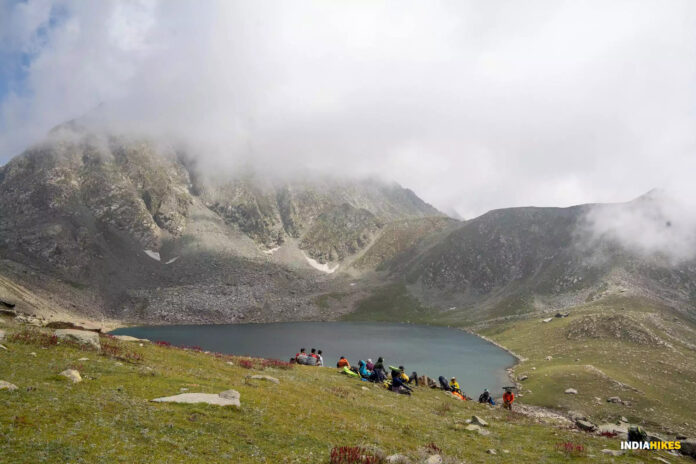
The Seven Sister Lakes, known as Sat Sars, are a stunning cluster of lakes situated in the mesmerizing Pir Panjal range along the Poonch-Shopian border. Nestled at an elevation of approximately 3,500 meters, these lakes are a natural marvel, forming a picturesque landscape that attracts both nature enthusiasts and spiritual seekers alike. Each of the Seven Sister Lakes boasts its own unique charm and characteristics. The largest and most renowned is Nandan Sar, an oval-shaped lake stretching about two kilometers. Its pristine waters are often regarded as the most beautiful among the lakes, making it a prime destination for visitors. Following closely is Gum Sar, also referred to as the hidden lake, which is shrouded in local folklore and mystery. Kal Dachni, or dark water lake, draws attention with its deep hues, while Sukh Sar, the dried lake, presents a contrasting feature with its parched basin, hinting at the climatic conditions of the area. Neel Sar, aptly named the blue lake, captivates with its vivid azure waters, providing a striking visual against the rugged terrain. Next is Katori Sar (bowel lake), which is named for its distinctive shape, and finally, Katanan Sar or Sarota Sar (blocked lake), which completes the group of seven. Geographically, these lakes are located within the Girjan valley, an area rich in biodiversity and cultural significance. The valley’s name, derived from the words “Garj” (thunder) and “jin” (elf), reflects the frequent loud thunders and rains characteristic of the region. Each lake is steeped in local myths and legends, believed to possess supernatural powers and significance, further enriching the cultural tapestry of the area. The Seven Sister Lakes not only provide breathtaking natural beauty but also offer an insight into the geological and ecological dynamics of the Pir Panjal range, making them a vital component of the region’s environmental heritage.
Geographical Formation of the Lakes
The formation of the Seven Sister Lakes in the Pir Panjal range is a fascinating tale of geological processes, primarily driven by glacial activity and the effects of climate change. Situated at an altitude of 3,500 meters, these lakes owe their existence to a series of complex geological events that have unfolded over millennia. Glaciers have been the primary sculptors of this rugged landscape. As they advanced and retreated during the various glacial periods, they carved out depressions in the earth, which later filled with water, forming the lakes we see today. The movement of these glaciers resulted in the deposition of terminal moraines-accumulations of debris and sediments at the glacier’s end. These moraines played a crucial role in blocking natural water flow, thereby creating depressions that eventually transformed into lakes. The unique topography of the Pir Panchal range, with its spurs and rugged terrains, further facilitated the accumulation of glacial meltwater. The steep gradients and varied elevations allowed for significant glacial activity, which contributed to the formation of not just the Seven Sister Lakes but also numerous smaller lakes in the vicinity. However, in recent times, climate change has had a profound impact on these glacial systems. Rising temperatures have led to the rapid retreat of glaciers, exposing more of the underlying topography and leaving behind deeper depressions. This retreat is evident in the formation of new lakes and the alteration of existing ones, such as Neel Sar and Sukh Sar. The changing climate has also resulted in increased glacial melt, contributing to the filling of these depressions with water, though it poses a threat to the long-term stability of the lakes. In summary, the Seven Sister Lakes are not just a product of natural beauty but are a testament to the intricate interplay between glacial activity, geological formations, and the ongoing effects of climate change. Understanding these processes is essential for appreciating the ecological significance of the lakes and the surrounding Pir Panchal range.
Cultural Significance and Folk Stories
The Seven Sister Lakes, or Sat Sars, are steeped in rich folklore and cultural narratives that enhance their allure. Local myths weave a tapestry of beliefs that personify the lakes, attributing them with supernatural qualities and sacredness that resonate deeply with the communities living in their vicinity. One prevalent myth speaks of the lakes as siblings, with Nandan Sar depicted as the eldest brother, surrounded by his six younger siblings. According to folklore, these lakes are considered living entities, each endowed with a distinct supernatural power. The caring sister, Kal Dachni, is often portrayed as an intercessor, calming the tempers of her brothers during disputes. This familial narrative lends an emotional depth to the lakes, creating a sense of kinship and reverence among local inhabitants. Another fascinating tale involves the ritual of sacrifices. It is believed that if the carcass of a sacrificial animal sinks into the waters of the lakes, it signifies divine acceptance of the offering. Conversely, if it floats, the sacrifice is deemed rejected. This belief underscores the lakes’ sacred nature, as they are seen as gateways to the divine, reflecting the deep spiritual connection that the local communities maintain with these bodies of water. Bathing in the lakes is viewed as strictly forbidden due to the presence of the saintly jin-an invisible being believed to inhabit the waters. This reverence extends to the display of red cloth around the lakes, which is said to provoke the supernatural forces within, causing them to emit loud sounds, further enriching the mystical atmosphere surrounding these lakes.
These stories not only serve to explain the genesis and significance of each lake but also reflect the cultural values and beliefs of the local populace. They illustrate a worldview where nature is imbued with spirit and personality, fostering a sense of respect and guardianship. As the tales of the lakes continue to be passed down through generations, they highlight the importance of oral tradition in preserving the cultural identity of the communities nestled within the Pir Panchal range.
Natural Beauty and Ecological Features
The Seven Sister Lakes, surrounded by the majestic Pir Panjal range, are a veritable paradise that showcases an array of ecological features and natural beauty. This region is characterized by its diverse flora and fauna, which thrive in the pristine environment created by the lakes’ unique geographical formation and the surrounding mountainous terrain. The lush pastures and meadows that envelop the lakes are home to a variety of plant species, including vibrant wildflowers that bloom during the warmer months. These colorful blossoms not only enhance the aesthetic appeal of the landscape but also serve as essential habitats for numerous insect species, particularly pollinators such as bees and butterflies. As one traverses the area, the air is often filled with the sweet fragrance of these flowers, adding to the serene ambiance. The ecological diversity of the area extends to its fauna as well. The lakes and their surroundings are frequented by various bird species, including migratory birds that visit during specific seasons. Their melodious calls create a symphony of sounds that harmonize with the gentle ripples of the water. Additionally, the region is home to a range of wildlife, including Himalayan black bears, leopards, and various species of deer that roam the meadows and forests, illustrating the rich biodiversity of this remote ecosystem. The picturesque landscapes formed by the Seven Sister Lakes are nothing short of breathtaking. The striking contrast between the deep blue waters of Neel Sar and the verdant green meadows creates a visual spectacle that captivates every visitor. Towering peaks surrounded by snow and the ever-changing hues of the sky, particularly during sunrise and sunset, contribute to the area’s ethereal beauty. This tranquil environment offers an ideal setting for spiritual reflection, allowing visitors to connect with nature and experience a profound sense of peace. In conclusion, the ecological features and natural beauty surrounding the Seven Sister Lakes combine to create a unique and serene environment. This captivating landscape not only attracts nature lovers but also serves as a sanctuary for spiritual seekers, providing an oasis of tranquility in the heart of the Himalayas.
Challenges in Accessibility and Infrastructure
Accessing the Seven Sister Lakes presents a myriad of challenges, primarily due to the lack of tourism infrastructure and the inherent difficulties posed by the rugged terrain. Nestled high in the Pir Panjal range at an elevation of 3,500 meters, the lakes are remote and can be daunting to reach without adequate facilities and support. One of the most significant obstacles is the absence of basic accommodation options. While the region’s natural beauty is awe-inspiring, the lack of lodging means that visitors often struggle to find safe and comfortable places to stay overnight. The few local dhokas, or temporary shelters, are located several hours away from the lakes, necessitating long hikes just to reach a place to rest. This situation is particularly challenging given the unpredictable weather, which can shift rapidly from sunny to stormy, creating further complications for those unprepared for sudden changes. The rugged terrain itself adds another layer of difficulty. The trails leading to the lakes vary from gentle slopes to steep, treacherous paths, often requiring considerable physical effort and stamina. Many routes involve navigating through rough landscapes, which can be especially perilous for inexperienced trekkers. Additionally, the lack of proper signage and guidance along these trails can lead to confusion and potential hazards for visitors. Furthermore, the extreme weather conditions prevalent in the region complicate access. The frequent thunderstorms and heavy rains typical of the area can render trails slippery and unsafe, dissuading even the most determined hikers. As a result, many potential visitors may feel apprehensive about embarking on what could be an arduous journey, ultimately limiting the number of people who can experience the beauty of the Seven Sister Lakes. In summary, the challenges of accessibility to the Seven Sister Lakes arise not only from the lack of tourism infrastructure but also from the formidable natural environment. Addressing these issues is essential for enhancing visitor experiences and ensuring that this breathtaking destination can be appreciated by a wider audience.
Trekking Routes to the Lakes
The journey to the Seven Sister Lakes is as enchanting as the lakes themselves, with four traditional trekking routes offering unique experiences and challenges. Each route varies in terms of difficulty, scenic beauty, and estimated walking times, catering to different preferences and fitness levels.
Tourism Development and Local Initiatives
The potential for tourism development around the Seven Sister Lakes is immense, yet it remains largely untapped due to inadequate infrastructure and facilities. To harness the natural beauty of this region effectively, a concerted effort is needed to improve accessibility, accommodations, and food availability for visitors. Currently, the lack of basic infrastructure poses a significant barrier to attracting tourists. Establishing a network of well-maintained trekking paths with clear signage would not only enhance safety but also facilitate a smoother experience for hikers. Additionally, developing accommodations closer to the lakes, such as eco-friendly lodges or tent facilities, would enable visitors to enjoy the serene environment without the daunting trek back to distant dhokas. Furthermore, food availability is crucial for sustaining longer visits. Local initiatives could focus on setting up small eateries or food stalls along the trekking routes. By hiring local residents to manage these facilities, the community would benefit economically while simultaneously providing essential services to tourists. This approach would also promote the consumption of local produce, fostering a deeper connection between visitors and the region’s cultural heritage. Sustainable tourism practices should be prioritized to minimize environmental impact while maximizing economic benefits. Training local guides in eco-friendly practices and cultural storytelling can enrich the visitor experience and ensure that tourism development does not compromise the natural beauty and integrity of the lakes. Moreover, engaging the local community in decision-making processes for tourism initiatives can enhance a sense of ownership and responsibility towards preserving the area’s unique ecological and cultural features. Collaborations with environmental organizations could also promote conservation efforts, ensuring that tourism development aligns with ecological preservation. By focusing on these key areas-enhancing infrastructure, providing accommodations and food, and promoting sustainable practices-there is a significant opportunity to develop tourism around the Seven Sister Lakes that benefits both visitors and the local community while safeguarding the region’s natural allure.
(The author is from J&K Forests Services)