

Dr. Taran Singh
drtaransingh@rediffmail.com
The Himalayan mountains, often referred to as the “water towers of Asia,” are facing an unprecedented ecological crisis. In the Jammu region of the north-western Himalayas, the health of these mountains is deteriorating rapidly due to climate change, unplanned development, and environmental degradation.
The Himalayan ecosystem is warming faster than the global average. Rising temperatures over recent decades have triggered a cascade of environmental changes-glacier retreat, reduced snowfall, erratic rainfall, and an increase in extreme weather events. A particularly alarming trend is the emergence of “snow droughts,” where snowfall is either declining significantly or melting earlier than usual. In recent years, the western Himalayas, including Jammu & Kashmir, have experienced precipitation deficits, severely affecting agriculture and water availability.
The ecological imbalance is further aggravated by deforestation and unregulated infrastructure expansion. Road construction in fragile mountainous terrain has destabilized slopes that are naturally tectonically active. Data from past decades indicate a sharp rise in landslides along major highways, highlighting the growing vulnerability of the region.
Extreme rainfall events-often intensified by climate change-have led to more frequent landslides and flash floods. These disasters not only damage infrastructure but also pose serious threats to human lives and livelihoods.
Another silent but critical crisis is the drying up of natural springs. Studies suggest that more than 50% of Himalayan springs are declining or have dried up, leading to acute water shortages in rural areas. Unplanned human activities, including high-rise construction and excessive use of deep bore wells, are major contributing factors.
The health of the Himalayas is not merely an environmental concern-it is a matter of survival for millions of people who depend on these mountains for water, agriculture, and livelihoods. Immediate action, scientific monitoring, and sustainable development are essential to protect this fragile ecosystem
The Jammu Himalayan region, with its temperate to subtropical climatic zones, holds immense potential for sustainable and eco-friendly economic activities:
Eco-Tourism and Adventure Tourism
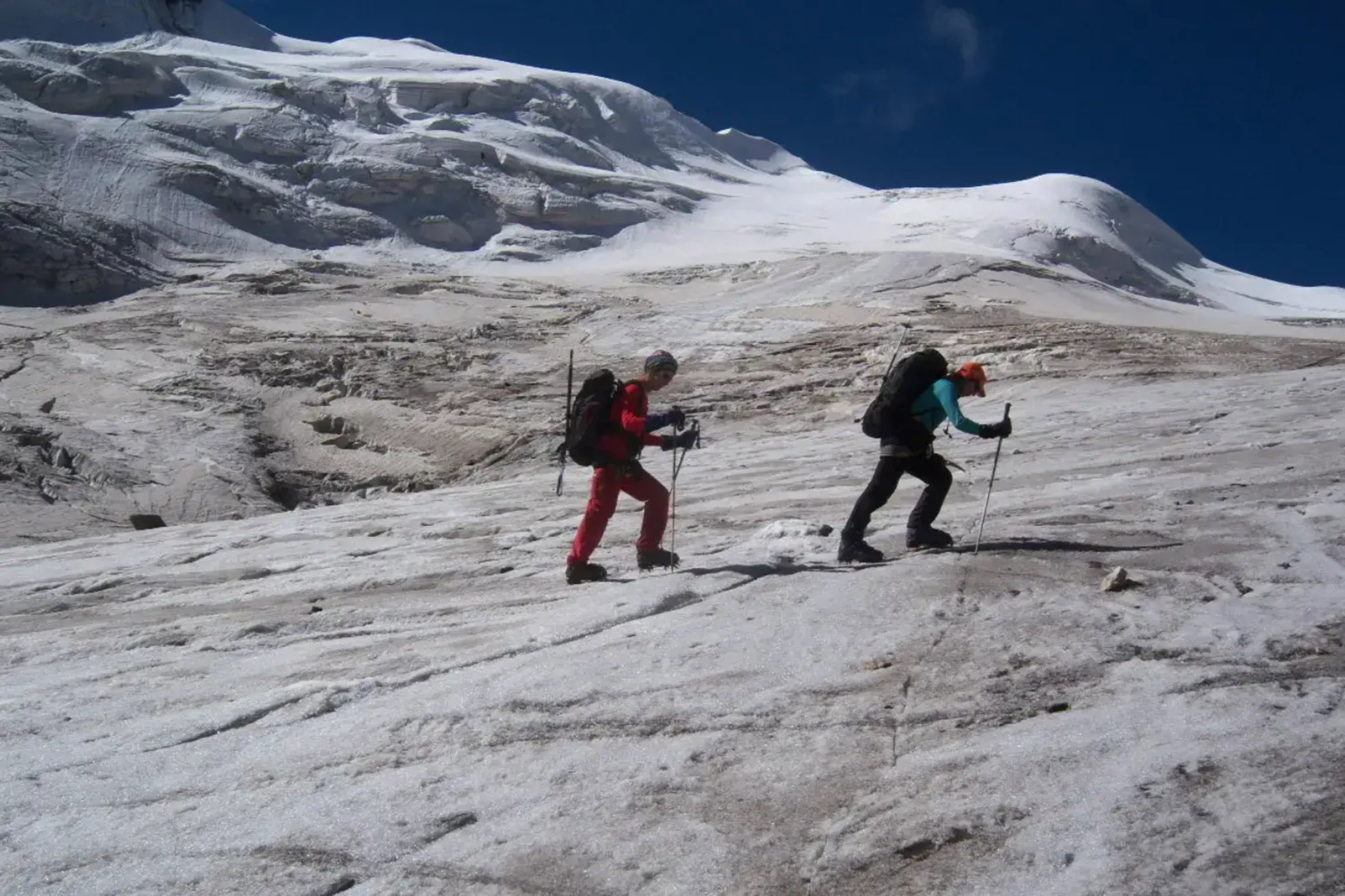
Promoting low-impact tourism such as trekking, rock climbing, nature trails, and camping can generate income while preserving the environment. Community-based eco-tourism models can ensure that local populations directly benefit.
Cultivation of Medicinal Plants
The region is rich in biodiversity, including rare and valuable medicinal herbs. Organized cultivation, processing, and marketing of these plants can provide sustainable livelihoods at the local level.
Organic and High-Value Agriculture
Shifting towards organic farming, horticulture (like walnuts, almonds, and medicinal crops), and agro-forestry can improve income while conserving soil and water.
Spring Rejuvenation Projects
Local employment can be generated through watershed management, rainwater harvesting, and revival of traditional water systems.
Eco-Services and Green Jobs
Training youth as eco-guides, biodiversity monitors, and conservation workers can create a new class of “green jobs.”
A practical and innovative approach is to involve trekkers, local communities, and volunteers in collecting environmental data. This can support scientific monitoring while creating awareness.
Proposed Data Collection Format
Location Details
GPS coordinates
Altitude
Date and time
Climate Indicators
Temperature (approx.)
Rainfall/snowfall observation
Signs of snow drought or early melting
Glacial and Snow Data
Snow cover (low/medium/high)
Visible glacier retreat (yes/no)
Changes compared to previous visits
Water Resources
Condition of springs (flowing/reduced/dry)
Water quality (clear/turbid)
Nearby bore well usage
Land and Vegetation
Forest density (dense/moderate/sparse)
Signs of deforestation
Presence of medicinal plants
Disaster Indicators
Landslide occurrence (recent/old)
Soil erosion
Flood impact signs
Human Impact
Construction activity (roads/buildings)
Tourist footfall (low/medium/high)
Waste/plastic presence
Socio-Economic Indicators
Migration trends (increasing/decreasing)
Agricultural productivity changes
Livelihood patterns
Health Indicators
Common diseases reported locally
Water-related health issues
The future of the Jammu Himalayas depends on balancing ecological conservation with economic development. Policies must prioritize environmental impact assessments, regulate construction, and promote sustainable livelihoods.
Community participation, scientific research, and government support must work together. By turning eco-friendly practices into economic opportunities, the region can protect its fragile ecosystem while ensuring prosperity for its people.
 Follow our WhatsApp channel
