

Dr Rakesh Verma
rakeshforests@gmail.com
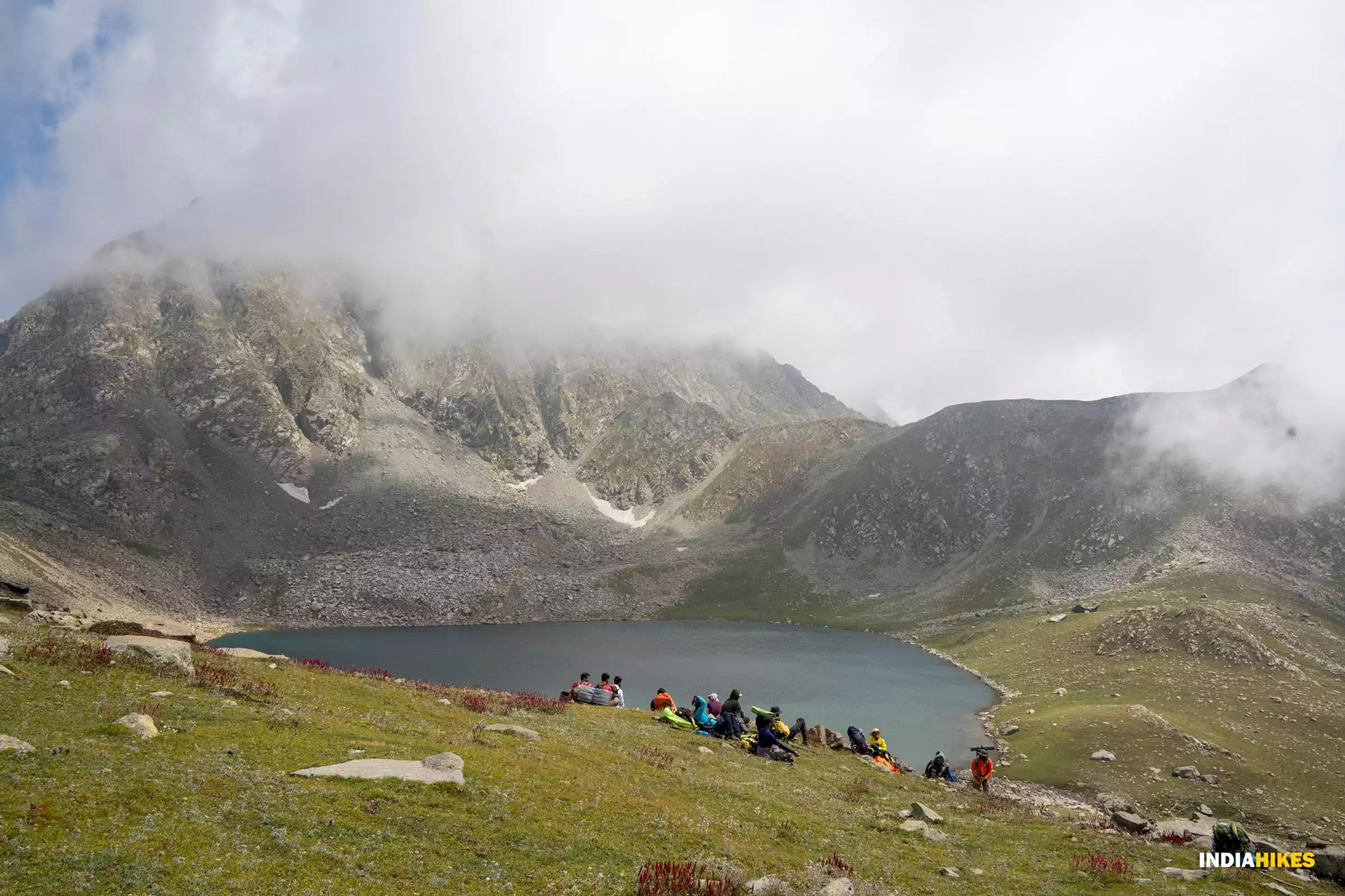
The Seven Sister Lakes, known as Sat Sars, are a stunning cluster of lakes situated in the mesmerizing Pir Panjal range along the Poonch-Shopian border. Nestled at an elevation of approximately 3,500 meters, these lakes are a natural marvel, forming a picturesque landscape that attracts both nature enthusiasts and spiritual seekers alike. Each of the Seven Sister Lakes boasts its own unique charm and characteristics. The largest and most renowned is Nandan Sar, an oval-shaped lake stretching about two kilometers. Its pristine waters are often regarded as the most beautiful among the lakes, making it a prime destination for visitors. Following closely is Gum Sar, also referred to as the hidden lake, which is shrouded in local folklore and mystery. Kal Dachni, or dark water lake, draws attention with its deep hues, while Sukh Sar, the dried lake, presents a contrasting feature with its parched basin, hinting at the climatic conditions of the area. Neel Sar, aptly named the blue lake, captivates with its vivid azure waters, providing a striking visual against the rugged terrain. Next is Katori Sar (bowel lake), which is named for its distinctive shape, and finally, Katanan Sar or Sarota Sar (blocked lake), which completes the group of seven. Geographically, these lakes are located within the Girjan valley, an area rich in biodiversity and cultural significance. The valley’s name, derived from the words “Garj” (thunder) and “jin” (elf), reflects the frequent loud thunders and rains characteristic of the region. Each lake is steeped in local myths and legends, believed to possess supernatural powers and significance, further enriching the cultural tapestry of the area. The Seven Sister Lakes not only provide breathtaking natural beauty but also offer an insight into the geological and ecological dynamics of the Pir Panjal range, making them a vital component of the region’s environmental heritage.
Geographical Formation of the Lakes
The formation of the Seven Sister Lakes in the Pir Panjal range is a fascinating tale of geological processes, primarily driven by glacial activity and the effects of climate change. Situated at an altitude of 3,500 meters, these lakes owe their existence to a series of complex geological events that have unfolded over millennia. Glaciers have been the primary sculptors of this rugged landscape. As they advanced and retreated during the various glacial periods, they carved out depressions in the earth, which later filled with water, forming the lakes we see today. The movement of these glaciers resulted in the deposition of terminal moraines-accumulations of debris and sediments at the glacier’s end. These moraines played a crucial role in blocking natural water flow, thereby creating depressions that eventually transformed into lakes. The unique topography of the Pir Panchal range, with its spurs and rugged terrains, further facilitated the accumulation of glacial meltwater. The steep gradients and varied elevations allowed for significant glacial activity, which contributed to the formation of not just the Seven Sister Lakes but also numerous smaller lakes in the vicinity. However, in recent times, climate change has had a profound impact on these glacial systems. Rising temperatures have led to the rapid retreat of glaciers, exposing more of the underlying topography and leaving behind deeper depressions. This retreat is evident in the formation of new lakes and the alteration of existing ones, such as Neel Sar and Sukh Sar. The changing climate has also resulted in increased glacial melt, contributing to the filling of these depressions with water, though it poses a threat to the long-term stability of the lakes. In summary, the Seven Sister Lakes are not just a product of natural beauty but are a testament to the intricate interplay between glacial activity, geological formations, and the ongoing effects of climate change. Understanding these processes is essential for appreciating the ecological significance of the lakes and the surrounding Pir Panchal range.
Cultural Significance and Folk Stories
The Seven Sister Lakes, or Sat Sars, are steeped in rich folklore and cultural narratives that enhance their allure. Local myths weave a tapestry of beliefs that personify the lakes, attributing them with supernatural qualities and sacredness that resonate deeply with the communities living in their vicinity. One prevalent myth speaks of the lakes as siblings, with Nandan Sar depicted as the eldest brother, surrounded by his six younger siblings. According to folklore, these lakes are considered living entities, each endowed with a distinct supernatural power. The caring sister, Kal Dachni, is often portrayed as an intercessor, calming the tempers of her brothers during disputes. This familial narrative lends an emotional depth to the lakes, creating a sense of kinship and reverence among local inhabitants. Another fascinating tale involves the ritual of sacrifices. It is believed that if the carcass of a sacrificial animal sinks into the waters of the lakes, it signifies divine acceptance of the offering. Conversely, if it floats, the sacrifice is deemed rejected. This belief underscores the lakes’ sacred nature, as they are seen as gateways to the divine, reflecting the deep spiritual connection that the local communities maintain with these bodies of water. Bathing in the lakes is viewed as strictly forbidden due to the presence of the saintly jin-an invisible being believed to inhabit the waters. This reverence extends to the display of red cloth around the lakes, which is said to provoke the supernatural forces within, causing them to emit loud sounds, further enriching the mystical atmosphere surrounding these lakes.
These stories not only serve to explain the genesis and significance of each lake but also reflect the cultural values and beliefs of the local populace. They illustrate a worldview where nature is imbued with spirit and personality, fostering a sense of respect and guardianship. As the tales of the lakes continue to be passed down through generations, they highlight the importance of oral tradition in preserving the cultural identity of the communities nestled within the Pir Panchal range.
Natural Beauty and Ecological Features
The Seven Sister Lakes, surrounded by the majestic Pir Panjal range, are a veritable paradise that showcases an array of ecological features and natural beauty. This region is characterized by its diverse flora and fauna, which thrive in the pristine environment created by the lakes’ unique geographical formation and the surrounding mountainous terrain. The lush pastures and meadows that envelop the lakes are home to a variety of plant species, including vibrant wildflowers that bloom during the warmer months. These colorful blossoms not only enhance the aesthetic appeal of the landscape but also serve as essential habitats for numerous insect species, particularly pollinators such as bees and butterflies. As one traverses the area, the air is often filled with the sweet fragrance of these flowers, adding to the serene ambiance. The ecological diversity of the area extends to its fauna as well. The lakes and their surroundings are frequented by various bird species, including migratory birds that visit during specific seasons. Their melodious calls create a symphony of sounds that harmonize with the gentle ripples of the water. Additionally, the region is home to a range of wildlife, including Himalayan black bears, leopards, and various species of deer that roam the meadows and forests, illustrating the rich biodiversity of this remote ecosystem. The picturesque landscapes formed by the Seven Sister Lakes are nothing short of breathtaking. The striking contrast between the deep blue waters of Neel Sar and the verdant green meadows creates a visual spectacle that captivates every visitor. Towering peaks surrounded by snow and the ever-changing hues of the sky, particularly during sunrise and sunset, contribute to the area’s ethereal beauty. This tranquil environment offers an ideal setting for spiritual reflection, allowing visitors to connect with nature and experience a profound sense of peace. In conclusion, the ecological features and natural beauty surrounding the Seven Sister Lakes combine to create a unique and serene environment. This captivating landscape not only attracts nature lovers but also serves as a sanctuary for spiritual seekers, providing an oasis of tranquility in the heart of the Himalayas.
Challenges in Accessibility and Infrastructure
Accessing the Seven Sister Lakes presents a myriad of challenges, primarily due to the lack of tourism infrastructure and the inherent difficulties posed by the rugged terrain. Nestled high in the Pir Panjal range at an elevation of 3,500 meters, the lakes are remote and can be daunting to reach without adequate facilities and support. One of the most significant obstacles is the absence of basic accommodation options. While the region’s natural beauty is awe-inspiring, the lack of lodging means that visitors often struggle to find safe and comfortable places to stay overnight. The few local dhokas, or temporary shelters, are located several hours away from the lakes, necessitating long hikes just to reach a place to rest. This situation is particularly challenging given the unpredictable weather, which can shift rapidly from sunny to stormy, creating further complications for those unprepared for sudden changes. The rugged terrain itself adds another layer of difficulty. The trails leading to the lakes vary from gentle slopes to steep, treacherous paths, often requiring considerable physical effort and stamina. Many routes involve navigating through rough landscapes, which can be especially perilous for inexperienced trekkers. Additionally, the lack of proper signage and guidance along these trails can lead to confusion and potential hazards for visitors. Furthermore, the extreme weather conditions prevalent in the region complicate access. The frequent thunderstorms and heavy rains typical of the area can render trails slippery and unsafe, dissuading even the most determined hikers. As a result, many potential visitors may feel apprehensive about embarking on what could be an arduous journey, ultimately limiting the number of people who can experience the beauty of the Seven Sister Lakes. In summary, the challenges of accessibility to the Seven Sister Lakes arise not only from the lack of tourism infrastructure but also from the formidable natural environment. Addressing these issues is essential for enhancing visitor experiences and ensuring that this breathtaking destination can be appreciated by a wider audience.
Trekking Routes to the Lakes
The journey to the Seven Sister Lakes is as enchanting as the lakes themselves, with four traditional trekking routes offering unique experiences and challenges. Each route varies in terms of difficulty, scenic beauty, and estimated walking times, catering to different preferences and fitness levels.
Tourism Development and Local Initiatives
The potential for tourism development around the Seven Sister Lakes is immense, yet it remains largely untapped due to inadequate infrastructure and facilities. To harness the natural beauty of this region effectively, a concerted effort is needed to improve accessibility, accommodations, and food availability for visitors. Currently, the lack of basic infrastructure poses a significant barrier to attracting tourists. Establishing a network of well-maintained trekking paths with clear signage would not only enhance safety but also facilitate a smoother experience for hikers. Additionally, developing accommodations closer to the lakes, such as eco-friendly lodges or tent facilities, would enable visitors to enjoy the serene environment without the daunting trek back to distant dhokas. Furthermore, food availability is crucial for sustaining longer visits. Local initiatives could focus on setting up small eateries or food stalls along the trekking routes. By hiring local residents to manage these facilities, the community would benefit economically while simultaneously providing essential services to tourists. This approach would also promote the consumption of local produce, fostering a deeper connection between visitors and the region’s cultural heritage. Sustainable tourism practices should be prioritized to minimize environmental impact while maximizing economic benefits. Training local guides in eco-friendly practices and cultural storytelling can enrich the visitor experience and ensure that tourism development does not compromise the natural beauty and integrity of the lakes. Moreover, engaging the local community in decision-making processes for tourism initiatives can enhance a sense of ownership and responsibility towards preserving the area’s unique ecological and cultural features. Collaborations with environmental organizations could also promote conservation efforts, ensuring that tourism development aligns with ecological preservation. By focusing on these key areas-enhancing infrastructure, providing accommodations and food, and promoting sustainable practices-there is a significant opportunity to develop tourism around the Seven Sister Lakes that benefits both visitors and the local community while safeguarding the region’s natural allure.
(The author is from J&K Forests Services)
 Follow our WhatsApp channel
