

Security agencies too flagged concerns on issue
Step aimed at completely curbing infiltration from Pakistan
Sanjeev Pargal
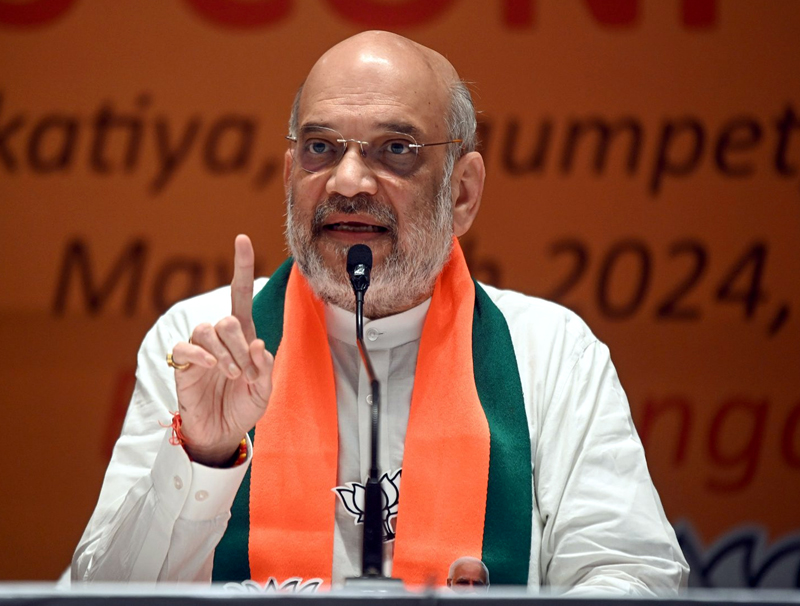
JAMMAU, May 27: In a significant decision, Union Home Minister Amit Shah today directed the authorities to strictly enforce a ‘zero tolerance’ policy against illegal constructions within 15 km of the country’s borders and demolish all such structures that have come up over the years.
Follow the Daily Excelsior channel on WhatsApp
The Intelligence and security agencies have repeatedly flagged concerns about a large number of illegal encroachments that have come up along the International Border in Jammu, Samba and Kathua districts of the Jammu region amid reports that some of the occupants may have been acting as Over Ground Workers (OGWs) and guides to help terrorists reach safe destinations after infiltration from Pakistan.
Security agencies have also expressed concerns that the terrorists might have been taking shelter in the illegal structures after entering into the Indian side from the International Border with Pakistan before departing for mountains to different districts. Even there have been reports of the terrorists using some small tunnel for infiltration earlier though no fresh tunnels have been detected.
Shah passed the directions while chairing a security review meeting in Bikaner, Rajasthan.
A statement issued by the Home Ministry after the meeting called for strict enforcement of the zero tolerance policy against illegal constructions, particularly within 0 to 15 km of the internal borders, and to demolish all such structures.
India shares international border with Pakistan in Jammu and Kashmir, Punjab, Rajasthan and Gujarat.
The MHA gas also assigned enhanced responsibility to the District Magistrates to ensure legal and financial compliance of banking transactions in the border areas by all banks, verify big business establishments, examine their funding sources, track mule accounts and false companies, identify fake Aadhaar cards and control cross-border smuggling, officials told the Excelsior.
“The illegal constructions along the International Border have become a cause of concern for all security agencies and this issue has been raised with the MHA by the agencies of Jammu and Kashmir as well,” the sources said, adding J&K shares nearly 198 kms international boundary with Pakistan in Jammu, Samba and Kathua districts.
Though no major infiltration attempt has been reported in recent past from the International Border in the Jammu region, earlier there were reports that the terrorists after intrusions reached the heights of Billawar in Kathua and then shift to Basantgarh in Udhampur. They keep shuttling between one district to another through mountains depending on pressure of security forces, the officials said.
In February this year, four foreign terrorists including Jaish-e-Mohammed (JeM) commander Saifullah were eliminated by the security forces in upper reaches of Chatroo in Kishtwar district. They had infiltrated from the International Border.
Security and Intelligence agencies here are of the view that removal of illegal encroachments along the International Border could go a long way in curbing the intrusion bids especially amid reports that the terrorists may have been finding shelter and guides from some of the illegal encroachers who had deliberately settled there though majority of the dwellers don’t indulge in the anti-national acts and rather support security forces and inform them about movement of the infiltrators, the officials said.
Meanwhile, the MHA said the border districts have been directed to carry out an in-depth study of the sources, patterns and networks behind crimes and the drug menace, and to develop lasting solutions so that these problems do not resurface.
Shah stressed formulating a 360-degree security cover for every border district involving citizens, state machinery and security agencies.
He underscored the importance of a coordinated approach to border management involving the BSF, CBDT, NCB and the state machinery to address issues of infiltration, narcotics smuggling, encroachment, terror financing and other trans-border crimes.
 Follow our WhatsApp channel
