

Dr Sushil Kumar Sharma
kumarsushildm@yahoo.co.in
World Hypertension Day is observed annually on the 17th of May to increase global awareness regarding hypertension, commonly known as high blood pressure.
The observance forms an important part of worldwide cardiovascular health initiatives aimed at educating people about the prevention, early detection, treatment, and control of hypertension. In 2026, the importance of this campaign has become even more significant as hypertension continues to remain one of the leading causes of heart disease, stroke, kidney failure, and premature mortality across the globe.
World Hypertension Day
The official theme for World Hypertension Day 2026, “Controlling Hypertension Together: Check Your Blood Pressure Regularly, Defeat the Silent Killer,” highlights the urgent need for collective action in combating hypertension. The theme emphasizes that effective blood pressure control requires cooperation between individuals, families, healthcare professionals, governments, and communities. It also reinforces the importance of regular blood pressure monitoring, public awareness, healthy lifestyles, and timely medical intervention.
Hypertension is often called the “silent killer” because it can remain undetected for years while silently damaging vital organs such as the heart, brain, kidneys, eyes, and blood vessels. Millions of individuals worldwide continue to live with uncontrolled hypertension without even realizing they are affected. World Hypertension Day therefore serves as a global reminder that awareness and prevention are the strongest weapons against this dangerous condition.
Understanding Hypertension
Blood pressure refers to the force exerted by circulating blood against the walls of arteries. When this pressure remains consistently elevated, the condition is known as hypertension.
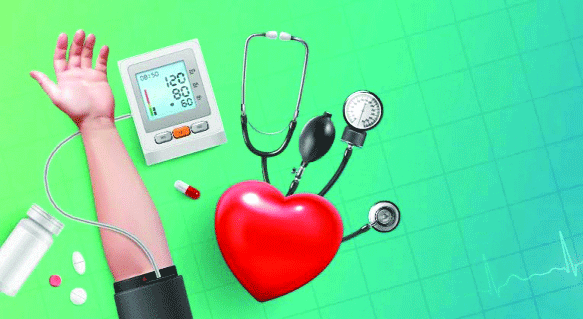
A normal blood pressure reading is generally considered around 120/80 mmHg. Persistent elevation above normal levels increases strain on blood vessels and vital organs. Over time, this causes progressive damage to the cardiovascular system.
Symptoms of Severe or Uncontrolled Hypertension
Although hypertension is often asymptomatic initially, severe or prolonged uncontrolled hypertension may present with symptoms including:
* Persistent headaches
* Dizziness
* Blurred vision
* Chest pain
* Shortness of breath
* Fatigue
* Palpitations
* Nosebleeds
* Swelling of legs
* Confusion
* Visual disturbances
These warning signs should never be ignored because they may indicate dangerously elevated blood pressure requiring urgent medical attention.
Prevention of Hypertension
Hypertension is largely preventable through healthy lifestyle modifications.
Healthy Diet
A balanced diet rich in fruits, vegetables, whole grains, lean proteins, legumes, and low-fat dairy products helps maintain healthy blood pressure. Reducing salt intake remains one of the most important preventive strategies.
Physical Activity
Regular exercise such as walking, jogging, swimming, cycling, yoga, and aerobic workouts improves cardiovascular health and lowers blood pressure. At least 150 minutes of moderate physical activity per week is recommended.
Weight Management
Maintaining a healthy body weight significantly reduces cardiovascular risk and improves blood pressure control.
Smoking Cessation
Avoiding tobacco products protects blood vessels and reduces the risk of heart disease and stroke.
Limiting Alcohol Consumption
Moderation in alcohol intake is essential because excessive consumption contributes to hypertension and cardiovascular disease.
Stress Reduction
Meditation, mindfulness, yoga, breathing exercises, adequate sleep, and emotional well-being play an important role in maintaining healthy blood pressure.
Mental Health and Hypertension
The relationship between mental stress and hypertension has become increasingly recognized. Chronic stress, anxiety, depression, occupational pressure, and emotional disturbances can contribute to sustained elevation of blood pressure.
In 2026, healthcare professionals increasingly emphasize integrating mental health care into cardiovascular disease prevention strategies. Emotional wellness, healthy social relationships, and work-life balance are now considered essential aspects of hypertension management.
Community participation through awareness drives, health camps, educational seminars, and lifestyle promotion programs can greatly reduce the burden of hypertension.
(The author is Head, Department of Cardiology, SSH Jammu)
 Follow our WhatsApp channel
