

Syed Talia Mushtaq, Tasaduq Hussain Shah
Have you noticed how Himalayan rivers no longer behave the way they used to? The water runs barely or differently, the seasons feel out of sync and quietly, the fish that once thrived in these cold waters are struggling to survive.
When we talk about climate change in the Himalayas, we imagine melting glaciers, erratic snowfall and flash floods. What often escapes attention is something far quieter, it is the steady transformation of life beneath the surface of mountain rivers and lakes. Coldwater fishes of the Himalaya are changing, declining and, in some cases, disappearing. What is happening to them is not just an ecological concern; but an early warning signal for the deteriorating health of our water systems and food security downstream.
Himalayan freshwaters are among the most environmentally constrained ecosystems in the world. Low temperatures, short growing seasons and limited food availability have shaped fish species that are finely adapted to their surroundings. Over generations, these fishes have developed specific ways of feeding, swimming and surviving in fast-flowing, cold and often nutrient-poor waters. This specialisation is precisely what makes them vulnerable when the environment changes rapidly.
Climate change is altering Himalayan rivers in multiple ways at once. Rising temperatures affect water chemistry and metabolism. Changing snowfall and snowmelt patterns disrupt seasonal flows. Extreme rainfall events increase sediment loads, while reduced flows in dry months shrink available habitats. The growing footprint of dams, barrages and water diversions, when added to these, result in a river system that behaves very differently from the one these fishes evolved in.
In regions such as Kashmir, these changes are increasingly visible in everyday experience. Snowfall patterns that once followed predictable seasonal rhythms are becoming erratic, with snow arriving outside the traditional Chillai Kalan period or occurring in shorter, intense spells. At the same time, extended sunny days during what were once consistently harsh winter months are becoming more common. These shifts alter the timing and volume of snowmelt that feed rivers and streams. For coldwater fishes adapted to stable seasonal cues, such disruptions affect breeding cycles, feeding opportunities and habitat availability in ways that are rarely considered in river management or climate adaptation planning. Similar patterns are evident elsewhere in the western Himalaya. In Uttarakhand, episodes of intense rainfall and sudden floods in recent years have repeatedly altered river channels, wiped riverbeds and increased sediment loads. Such abrupt changes disrupt aquatic habitats and food availability, placing additional stress on coldwater fishes already coping with warming temperatures and shifting seasonal cues. Fish do not respond to such changes uniformly. Some species are flexible and adapt quickly. Others, particularly coldwater fishes, struggle when their feeding grounds shift, riverbeds change or the timing of food availability does not match their biological rhythms. These stresses may not immediately wipe out populations, but they reduce survival, growth and reproduction over time. Declines often happen silently, long before they show up in catch data or biodiversity reports.
Why should this concern people beyond the scientific community? Because fishes are among the most sensitive indicators of freshwater health. When coldwater fishes begin to struggle, it signals broader ecological stress reduced water quality, altered flows and declining productivity. These same changes eventually affect irrigation, drinking water supplies and livelihoods dependent on rivers far downstream. In this sense, Himalayan fishes are not just victims of climate change; they are messengers.
Unfortunately the conservation and management approaches are not well equipped to read these signals. We tend to count species and monitor their presence, assuming that if a fish is still found in a river, it is doing fine. This overlooks how survival actually works. A species may persist in name while its ability to feed, grow or reproduce is steadily ruined by environmental change. By the time numbers fall sharply, recovery becomes far more difficult.
Climate change makes this oversight more serious. Warming waters and altered flows do not affect all fishes equally. Those that depend on specific habitats or feeding conditions are hit first. Ignoring these differences creates a false sense of resilience and delays meaningful action. Conservation policies that focus only on presence or abundance risk protecting species on paper while losing their ecological function in reality.
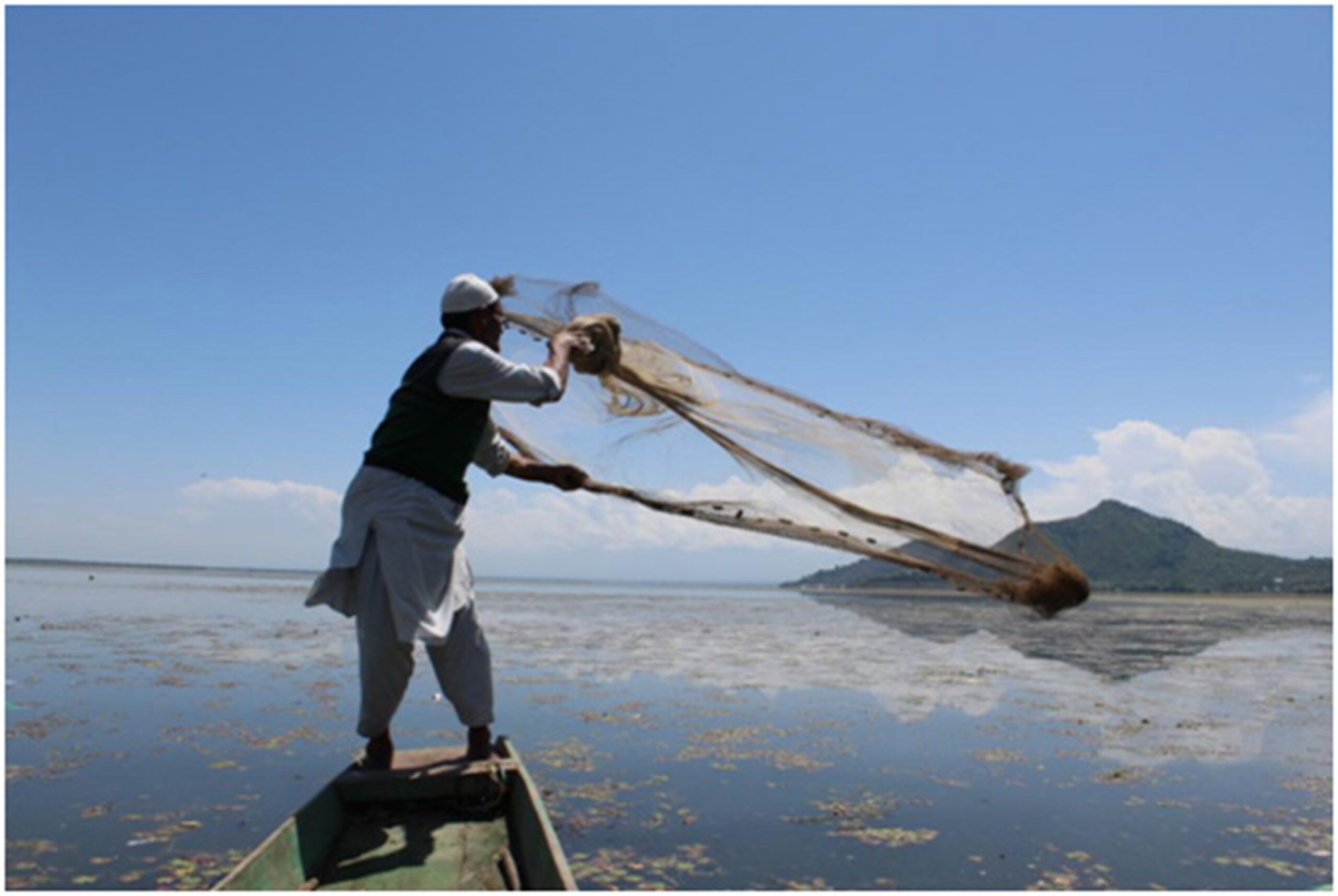
There is also a human dimension to this story. Many mountain communities depend on local fisheries for nutrition and supplementary income. As coldwater fish populations decline or are replaced by more generalist species, the quality and diversity of local food systems change. What looks like a small ecological shift can quietly reshape livelihoods and diets over time. The changes unfolding in Himalayan rivers are not abstract ecological concerns. They are early signals of stress in systems that support drinking water, agriculture and livelihoods far beyond the mountains. When coldwater fishes begin to struggle, it reflects deeper disruptions in river flow, temperature and productivity changes that eventually affect everyone downstream.
India’s response to climate change in the Himalaya must therefore move beyond counting species or reacting after declines become visible. River management and conservation policies need to recognise how living systems function, not just whether they are still present. This means planning for climate resilience that accounts for biological sensitivity, habitat stability and long-term ecological health. For citizens, this conversation matters because river health is inseparable from water security. Paying attention to these quieter warnings and asking better questions of how our rivers are managed can help ensure that climate adaptation is informed, timely and effective. The fate of Himalayan fishes is not a niche scientific issue. It is a reminder that the future of our rivers, and our own, are closely intertwined.
 Follow our WhatsApp channel
