

Kargil Hill Council’s 5 Councilors now part of other distts
*LAHDC Leh without elections for about 6 months now
Sanjeev Pargal
JAMMU, Apr 27: Ahead of Union Home Minister Amit Shah’s two-day visit to Ladakh beginning April 30, Ladakh Lieutenant Governor Vinai Kumar Saxena today approved creation of five new districts in the Union Territory, which were announced by the MHA on August 26, 2024, taking total districts to seven.
Follow the Daily Excelsior channel on WhatsApp
Ladakh had only two districts-Leh and Kargil. With creation of five more districts including Nubra, Sham and Changthang in Leh and Zanskar and Drass in Kargil-it will now have seven districts.
Ladakh, which was part of erstwhile State of Jammu and Kashmir, was initially made a division during the Central rule in February 2019 and then the Union Territory on August 5, 2019 when J&K was divested of special status and bifurcated into two UTs.
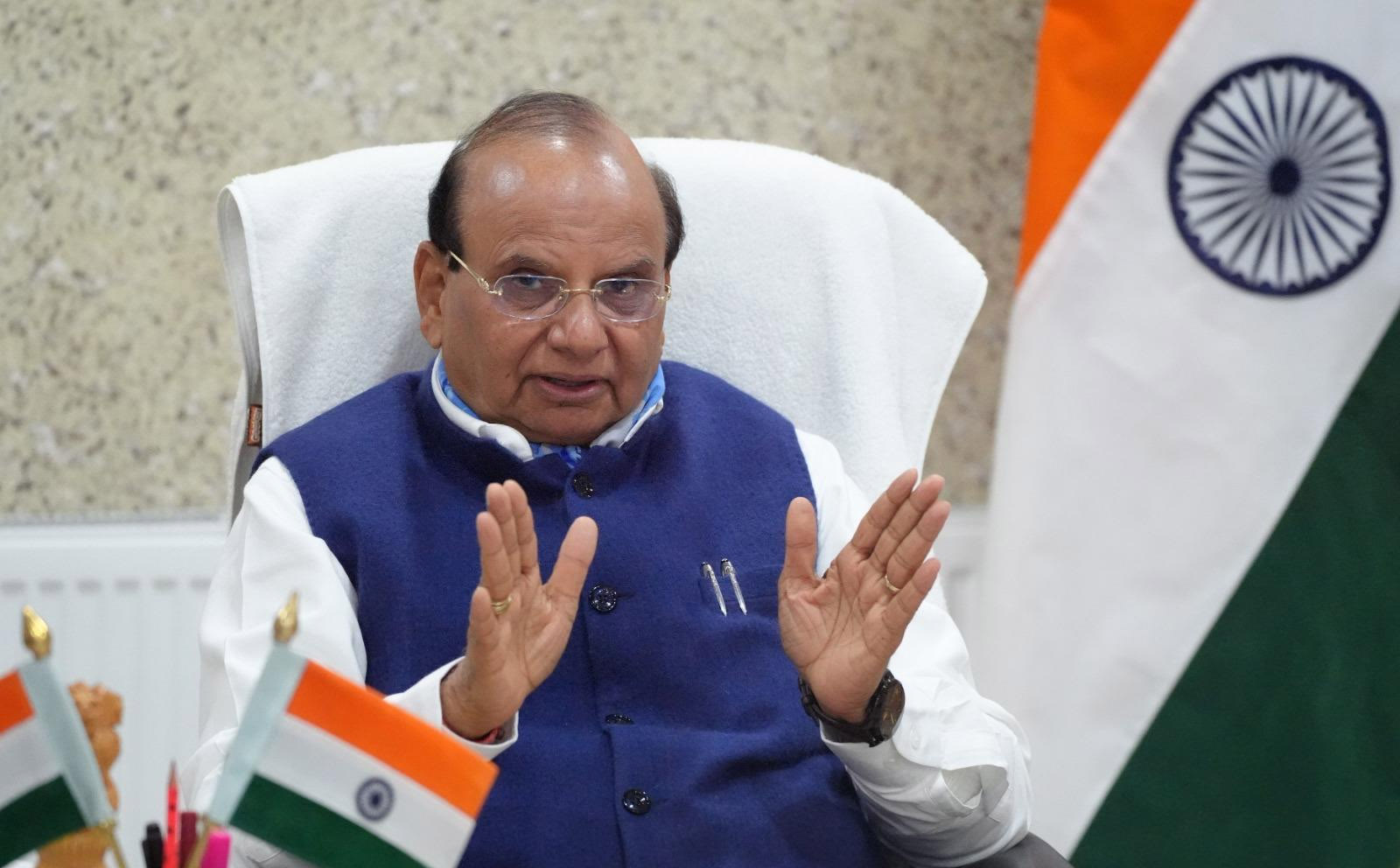
Terming the decision a “historic day” for Ladakh, Saxena announced in a post on X that he has approved the notification for the creation of five new districts in Ladakh, fulfilling the aspirations and long-pending demand of the people of Ladakh.
Ladakh has 2.74 lakh population as per 2011 census. Lone Lok Sabha seat of Ladakh had 1.85 lakh electorates in 2024 Parliamentary poll. Ladakh, however, is the largest Union Territory in terms of area but the second least populous. It has an expanse of 86,904 square kilometers bordering China and Pakistan.
Three districts, namely, Nubra (Headquarters: Diskit), Sham (Headquarters: Khaltse), and Changthang (Headquarters: Nyoma) have been carved out from Leh district, while two districts – Zanskar (Headquarters: Padum) and Drass (Headquarters: Drass-Ranbirpura) have been carved out from Kargil district.
“The development is aligned with Prime Minister Narendra Modi’s vision of a developed and prosperous Ladakh,” Saxena said in the post, adding that this “transformative decision, already approved by the Ministry of Home Affairs in August 2024, under the leadership of Minister of Home Affairs Amit Shah, would strengthen grassroot governance, decentralize administration & ensure faster delivery of public services to the people of Ladakh, especially those in remote and far-flung areas.
Saxena said the creation of new districts, apart from bringing governance closer to citizens, will create new avenues for growth, employment and entrepreneurship.
Asserting that aspirations of the people of these areas have been fulfilled, he said, “I reaffirm my commitment to ensuring that every citizen of Ladakh benefits from this historic decision, as we move together towards a brighter, stronger and more prosperous future.”
Consequent to the notification, the territorial limits of the seven districts, too, have been defined. Now, the Leh district will have 44 revenue villages, while Nubra will have 30 revenue villages and Changthang 24 revenue villages. Similarly, Kargil district will have 80 revenue villages, while Sham district will have 27 revenue villages, Zanskar 26 revenue villages, and Drass 19 revenue villages.
“Ladakh, one of India’s largest Union Territories in terms of geographical area, has long faced administrative challenges due to its difficult terrain, sparse population, and remote habitations. The creation of five additional districts will decentralize governance, reduce travel distances for citizens (often exceeding 300 km), and ensure faster and more effective delivery of public services.
“The creation of new districts is also expected to generate significant employment opportunities through the establishment of new administrative offices, supporting infrastructure, and allied services’ an official statement said.
The Union Ministry of Home Affairs in August 2024 had also directed the UT administration of Ladakh to constitute a committee to examine various aspects related to the formation of new districts. The committee undertook extensive consultations with delegations from across the region, conducted field visits and prepared a final report.
Presently, Leh and Kargil districts have two Autonomous Hill Development Councils. However, term of the Leh Council expired in October last year as fresh elections couldn’t be held because of the decision to create five more districts. Kargil Hill Council is in place as it has its term till October 2028.
Political observers said it will be seen with keen interest whether the MHA gives Hill Council to all seven districts or some new kind of arrangement is made. Leh and Kargil Councils have 30 seats each including 26 elected and four nominated.
With Ladakh having just 1.85 lakh electorates-each district may have roughly 26,000 voters.
Out of 26 elected Councilors in Kargil district, three belong to Zanskar and two to Drass which have been made as new districts. With Kargil Council still having nearly two and half years term, it will be seen whether the Councilors from other districts remain part of Kargil Hill Council or not.
Sources said the MHA may take a decision shortly on the Councils as Leh is also without elected Council since past about six months now. Powers of the Hill Council were handed over to the Deputy Commissioner Leh. Leh Council was being ruled by the BJP for two consecutive terms.
 Follow our WhatsApp channel
