

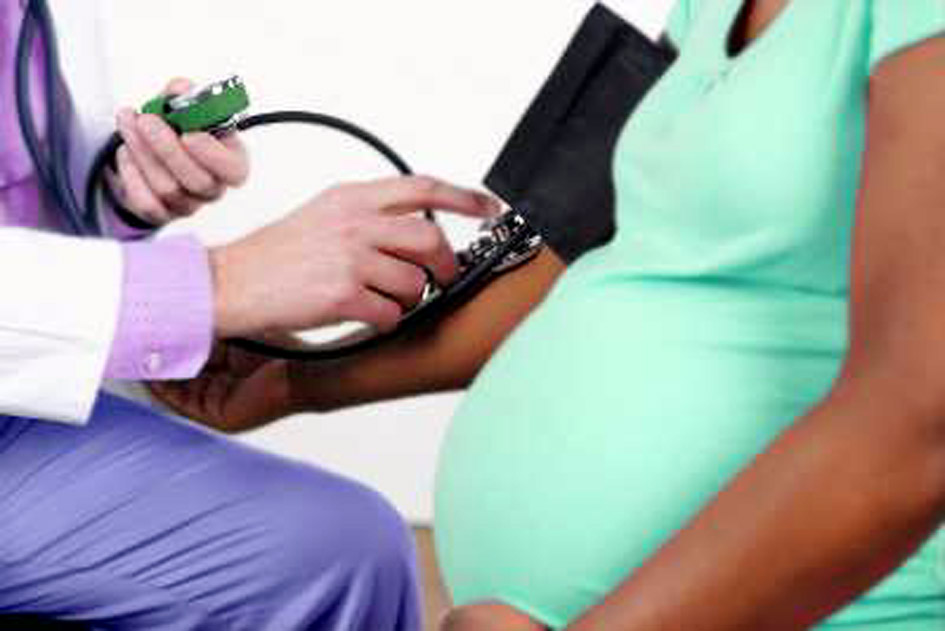
There is a storm raging across India. Hypertension, the so-called ‘silent killer’, has turned India into the hypertension capital of the world, and the numbers are not just staggering; they are a national emergency hiding in plain sight. Of the estimated 220 million, more than half have no idea they are afflicted. They feel no pain, experience no obvious symptoms, and receive no warning until the condition has quietly caused irreversible damage. And when the damage is done so catastrophically, through a heart attack, a stroke, paralysis, or kidney failure. By then, the opportunity for simple, affordable prevention has long passed, replaced by the grim arithmetic of life-threatening illness and mind-boggling medical expenses.
What makes this crisis particularly tragic is that hypertension is among the most manageable of chronic conditions. It does not demand heroic sacrifice or expensive interventions. A brisk daily walk, a measured reduction in salt intake, more fruits and vegetables, fewer processed foods-these are not impossibly tall orders. The DASH diet, widely recommended by cardiologists, asks for nothing more than the kind of balanced, wholesome eating that our grandparents practised as a matter of course.
The problem does not end at the point of diagnosis, either. Of those fortunate enough to know they have hypertension and receive medication, nearly half abandon their treatment midway. And of those who persist with medicines, half still fail to achieve adequate blood pressure control. The result is that only one in ten hypertensives in India actually keeps the condition under check – a failure rate so spectacular it would be considered a systemic collapse in any other public health domain. No age group is spared; the condition stalks the young professional at a desk as readily as it targets the elderly retiree.
India must treat this crisis with the urgency it deserves: through mass awareness, accessible screening camps, affordable medicines, and a cultural shift that makes regular health check-ups a habit rather than a response to disaster.
 Follow our WhatsApp channel
