

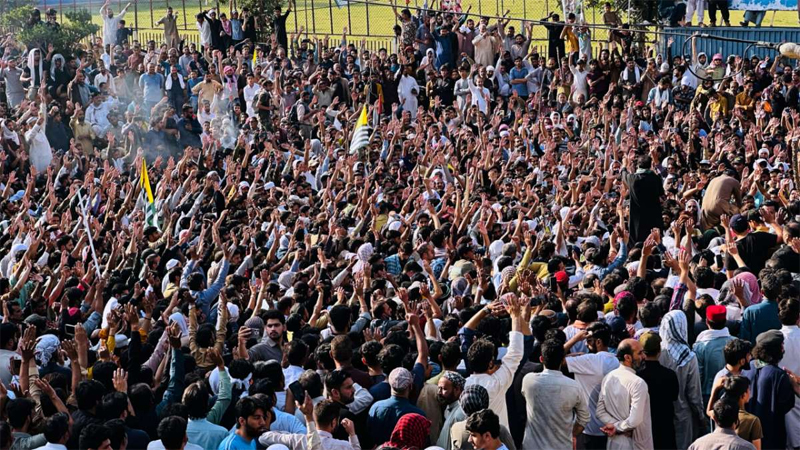
The unrest in Pakistan-occupied Jammu and Kashmir, which claimed the lives of three police personnel and injured dozens more, once again exposes the deep fault lines of Pakistan’s continued illegal occupation of the region. What is being witnessed today is not an isolated protest but a culmination of decades of repression, systematic denial of democratic rights, and relentless exploitation of the people of PoJK. Since its forcible occupation in 1947, Pakistan has treated PoJK as nothing more than a colony-a buffer zone to advance its geopolitical ambitions. The installation of puppet Governments, carefully designed constitutional restrictions, and disenfranchisement of sections of the population are all part of a strategy to ensure that the people never enjoy true democracy. The so-called Legislative Assembly is stripped of real authority, and constitutional amendments are dictated from Islamabad, reducing local leaders to mere figureheads.
Over the decades, human rights violations in PoJK have become routine. Peaceful protests have been met with bullets, dissenting voices silenced, and ordinary citizens subjected to arbitrary detentions. The ongoing strike and agitation, led by the Jammu Kashmir Joint Awami Action Committee, is only the latest chapter in this long history of suppression. The demands-ranging from abolition of elite privileges to genuine political reform-reflect the growing frustration of a people treated as second-class citizens in their own land. In today’s interconnected world, the people of PoJK cannot be kept in darkness. They can see the difference in freedoms, opportunities, and development across the Line of Control.
It is increasingly evident to the residents of PoJK that fundamentalism and the hollow rhetoric of jihad cannot guarantee a dignified life. Instead, they are demanding civil liberties, economic development, and genuine self-rule. This awakening is what frightens Islamabad, which continues to respond with force and communications blackouts, hoping to suppress the inevitable. But history is unkind to regimes that suppress people. The fire of rights has been lit, and it will spread. Pakistan must recognise that bullets cannot bury aspirations, and repression will only add fuel to the fire. The writing on the wall is clear: the sooner Pakistan reads it, the better it will be.
 Follow our WhatsApp channel
