

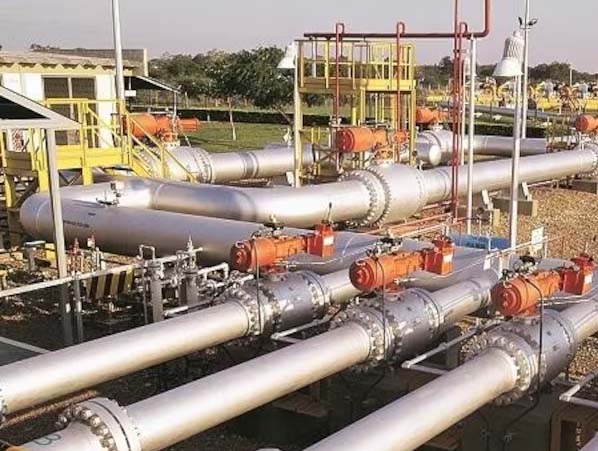
In the present West Asian conflict, when the LPG cylinder supply chain, domestic as well as commercial, has been disturbed, the near-completion of the Gurdaspur-Jammu Natural Gas Pipeline comes as a breath of fresh air – quite literally. With over 90 per cent of the 175-kilometre pipeline work done and only three kilometres of laying left within J&K’s territory, Jammu is on the cusp of a quiet but transformative energy revolution. The trunk pipeline is expected to be connected to its source by September 2026, and piped cooking gas is set to reach Jammu kitchens before April next year. This is not merely good news – it is landmark news. The timing could not be more significant. The ongoing conflict in West Asia has sent ripples through global fuel supply chains, and the resulting LPG cylinder shortage has been acutely felt by ordinary households. The scramble to secure cylinders – with long queues, inflated costs, and unreliable supply – has made daily cooking a logistical challenge for countless families. The piped gas network, drawing supply directly from the source without the intermediate steps of bottling and distribution, will cut through this chaos decisively.
The economic case for this shift is equally compelling. The recurring costs of bottling, cylinder transportation, and last-mile distribution have long added invisible burdens to energy pricing. A direct pipeline supply eliminates these inefficiencies, potentially making gas more affordable and consistent for both domestic consumers and commercial establishments – restaurants, hotels, and small industries – that have struggled under an erratic LPG supply line. The additional promise of abundant CNG supply for vehicles further strengthens the project’s economic dividend, reducing running costs for commuters and transporters alike.
The groundwork is clearly being laid with intent. A detailed city survey has been completed, gas gate locations identified across Jammu, and the blueprint for the intra-city distribution network finalised and approved. The forest clearance hurdles that once threatened timelines have been resolved. Momentum is unmistakably on the side of completion. Work is near completion, and the next phase is already planned and marked. Credit must be given where it is due. This is a visionary project conceived and pushed forward with rare administrative will. In an era when infrastructure promises often outlast their deadlines by years, the Gurdaspur-Jammu pipeline stands as evidence that timely, purposeful execution is achievable. The wait is nearly over – and it has been well worth it.
 Follow our WhatsApp channel
