

Mohammad Hanief
m.hanief@gmail.com
The fragile relationship between the Himalayas and the lakes they sustain has come under renewed and urgent scrutiny after the National Green Tribunal (NGT) took suo motu cognizance of the alarming disappearance and shrinkage of lakes in Jammu and Kashmir. The move, triggered by audit findings highlighting large-scale loss and degradation of water bodies, has sharpened focus on a deepening ecological crisis-one that extends from the high-altitude glaciers of the Himalayas to the iconic lakes of the Kashmir Valley.
The Tribunal’s intervention follows revelations that a substantial proportion of lakes in the Union Territory have either vanished or reduced drastically in size. The scale of decline has raised serious concerns about compliance with environmental laws, gaps in governance, and the long-term sustainability of water systems in a region already vulnerable to climate variability and ecological stress.
At the centre of this unfolding crisis lies a complex interplay of climate change and human activity. The Himalayas, often described as the “water tower of Asia,” have historically regulated water flow through a delicate cycle of snowfall, glacier storage and gradual melt. This system has ensured a steady supply of water to rivers, wetlands and lakes across northern India, supporting ecosystems, agriculture and human settlements.
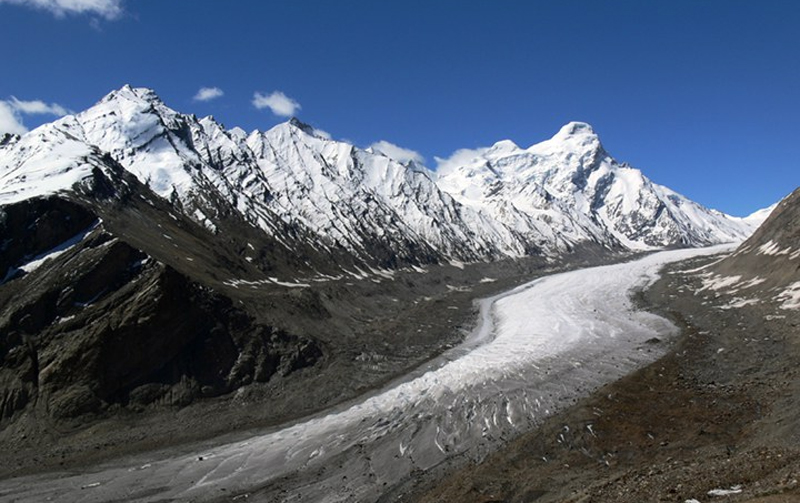
That equilibrium is now increasingly unstable. Rising temperatures have accelerated the retreat of Himalayan glaciers, altering the hydrological dynamics of the region. As glaciers recede, melt water accumulates in newly formed depressions, leading to the expansion of glacial lakes at high altitudes. While these growing lakes may appear to signal an increase in water resources, they are widely regarded as indicators of imbalance, reflecting the rapid loss of long-term ice reserves.
These high-altitude lakes are often structurally fragile, held together by natural dams composed of loose rock and debris. As water levels rise, the risk of sudden collapse increases, raising the threat of glacial lake outburst floods. Such events can release enormous volumes of water within a short span, causing widespread destruction downstream. The danger is compounded by the unpredictability of these floods, which leaves little room for timely warning or evacuation.
Yet, the impact of these changes is not confined to remote mountain regions. It is increasingly visible in the plains, particularly in the Kashmir Valley, where lakes that depend on Himalayan inflows are undergoing rapid and often irreversible transformation. Among the most affected are Wular Lake and Dal Lake, both of which have long been central to the ecological and cultural identity of the region.
Wular Lake, once among the largest freshwater lakes in Asia, has experienced significant shrinkage over the decades. Encroachments, siltation, and changing inflow patterns have reduced its effective area, diminishing its capacity to function as a natural flood basin. Historically, Wular has played a critical role in regulating the flow of the Jhelum River, absorbing excess water during periods of heavy rainfall. Its decline has weakened this natural buffering capacity, increasing the vulnerability of surrounding areas to flooding.
Dal Lake, often regarded as the jewel of Srinagar, presents a different but equally concerning picture. The lake has been under sustained pressure from urban expansion, untreated sewage, and nutrient inflows that have led to eutrophication. The proliferation of aquatic weeds, declining water quality, and gradual encroachment along its periphery have significantly altered its ecological character. Despite ongoing restoration efforts, the lake continues to face challenges that threaten its long-term health.
The deterioration of these lakes is not merely an environmental concern; it carries profound social and economic implications. Thousands of people depend on Dal Lake for their livelihoods, particularly through tourism, fishing and traditional houseboat operations. Similarly, Wular supports fishing communities and contributes to agricultural activity in surrounding areas. As these lakes shrink and degrade, the economic security of these communities is increasingly at risk.
The ecological consequences are equally far-reaching. Lakes such as Wular and Dal serve as critical habitats for a wide range of species, including migratory birds, fish and aquatic vegetation. Changes in water levels, temperature and quality are disrupting these ecosystems, leading to a gradual decline in biodiversity. The loss of such habitats not only affects wildlife but also undermines the ecological balance that sustains the region’s natural systems.
The disappearance and shrinkage of lakes also have direct implications for disaster management. Wetlands and lakes act as natural sponges, absorbing excess water during periods of intense rainfall and reducing the severity of floods. Their decline has been linked to increased flood vulnerability in the region, as evidenced during the devastating floods of 2014. The weakening of these natural buffers underscores the growing risks associated with extreme weather events, which are becoming more frequent under changing climatic conditions.
The NGT’s observations have brought attention to systemic shortcomings in the conservation and management of lakes. Despite their ecological importance, structured conservation plans exist for only a limited number of major lakes, leaving hundreds of smaller water bodies largely unprotected. This imbalance reflects broader challenges in environmental governance, where fragmented responsibilities and lack of coordination among departments hinder effective action.
The Tribunal has also pointed to potential violations of key environmental laws, highlighting lapses in enforcement and accountability. The involvement of multiple agencies-including environmental, forest, revenue and pollution control authorities-underscores the complexity of the issue and the need for a coordinated response.
Efforts to address the crisis have seen some progress, particularly through the use of satellite monitoring and restoration initiatives. However, these measures have yet to match the scale and urgency of the problem. A more comprehensive approach is required, one that integrates climate action with sustainable land use, pollution control and strict regulation of encroachments.
Reducing greenhouse gas emissions remains essential to slowing the pace of glacial retreat and stabilizing the Himalayan environment. At the same time, local interventions such as wetland restoration, desiltation, and improved waste management can play a crucial role in protecting and reviving existing lakes. Strengthening institutional accountability and ensuring effective implementation of conservation policies will be critical in achieving meaningful results.
The role of local communities is equally important. People living around these lakes possess valuable knowledge and have a direct stake in their preservation. Their involvement in conservation efforts can enhance both awareness and sustainability, bridging the gap between policy and practice.
The crisis facing lakes in Jammu and Kashmir is a stark reminder of the interconnected nature of environmental systems. Changes that begin in the glaciers of the Himalayas eventually manifest in the plains, affecting water availability, ecological health and human livelihoods. The shrinking of Wular, the degradation of Dal, and the disappearance of numerous smaller lakes together point to a broader environmental challenge that demands urgent attention.
As the NGT continues its examination of the issue, the focus remains on accountability and action. The Tribunal’s intervention has brought the crisis into sharper public and institutional focus, but the outcome will depend on the effectiveness of the measures that follow.
The Himalayas may stand distant and imposing, but their influence flows through every river and lake they sustain. The growing strain on these water bodies serves as a warning that the region’s ecological balance is under threat. Safeguarding these lakes is not only an environmental necessity but a critical step toward ensuring water security, protecting livelihoods, and preserving the natural heritage of Kashmir for generations to come.
 Follow our WhatsApp channel
