

Dr Sonia Verma
greenwarriorsoniaverma@gmail.com
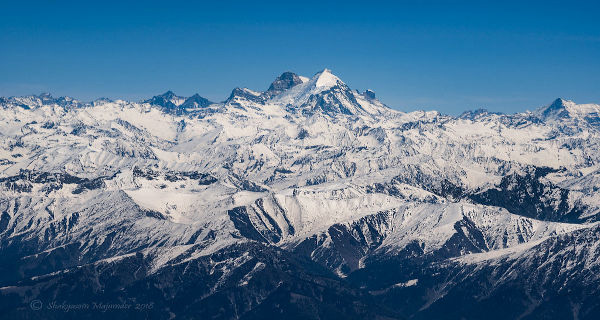
The majestic expanse of the Jammu and Kashmir Himalayas is a land steeped in history, spirituality, and breathtaking natural beauty. More than just a geographical marvel, this region has been a crucible of cultures, a pilgrimage destination for millennia, and an adventurer’s paradise. Its historical and tourist places, intricately linked by ancient routes and modern highways, offer a compelling narrative of faith, nature, and human endeavor.
A Legacy Etched in Stone and Spirit:
Jammu and Kashmir boasts a rich historical legacy, evident in its numerous ancient temples, forts, and monasteries. The Chenab Valley, often referred to as the “Valley of Rivers,” is a treasure trove of such sites.
l Vaishno Devi: Perhaps the most revered pilgrimage site in the region, the Vaishno Devi Temple, nestled in the Trikuta Mountains, attracts millions of devotees annually. The arduous but spiritually fulfilling trek to the holy cave shrine is a testament to the unwavering faith of pilgrims. The journey begins at Katra, a bustling town that has developed into a significant tourist hub. From Katra, a well-maintained track, approximately 13 kilometers long, leads to the shrine. This route is further enhanced by facilities like pony rides and palanquins for those who require assistance. Katra is well-connected to Jammu by road, which in turn is linked to the rest of India via the National Highway 44 (NH 44), formerly NH 1A. This strategic highway acts as the lifeline for the region, ensuring accessibility for both pilgrims and tourists.
l Amarnath Cave: Another pinnacle of spiritual significance is the Amarnath Cave, home to the naturally formed ice lingam, a symbol of Lord Shiva. The annual Amarnath Yatra, undertaken during the summer months, is a deeply spiritual pilgrimage. The traditional route for the Yatra is via Pahalgam, traversing through picturesque valleys and dense forests. This trek is considerably longer and more challenging than Vaishno Devi, typically spanning several days and involving significant altitude gains. The journey can be broken down into stages, with base camps and rest stops strategically located along the way. Access to Pahalgam is primarily through Srinagar, which is connected to the rest of India via National Highway 1 (NH 1), a crucial artery that weaves through the heart of Kashmir.
l Kud, Patnitop, and Sanasar: Moving beyond the major pilgrimage sites, the hill stations of Kud, Patnitop, and Sanasar offer a blend of natural splendor and historical intrigue. Patnitop, perched at an altitude of 2,024 meters, is famed for its lush meadows, pine forests, and panoramic views of the Chenab river. It offers opportunities for trekking, paragliding, and skiing during winters. Nearby, Kud is known for its delectable ‘Patisa’ (a sweet delicacy), and its serene environment. Sanasar, a lesser-known but equally captivating destination, is an oval-shaped meadow surrounded by giant conifers. It’s also a popular spot for adventure activities and offers a glimpse into the traditional Himachali way of life. These destinations are accessible via National Highway related to NH 44, branching off towards these scenic locales, connecting them with the main arteries of the region.
l Jammu City: The winter capital, Jammu, is a city that pulsates with history. The Raghunath Temple Complex, a magnificent collection of temples dedicated to various Hindu deities, is a significant landmark. The Bahut Fort, an ancient fortress perched atop a hill overlooking the Tawi River, stands as a testament to the region’s rich past. The Dogra Art Museum within the Bahut Fort complex houses an impressive collection of artifacts, paintings, and manuscripts, offering insights into the art and culture of the Dogra rulers. Jammu is a crucial junction, directly connected to the rest of India via National Highway 44, making it the primary gateway to the Jammu region and a starting point for many journeys into the higher Himalayas.
The Kashmir Valley: A Verdant Embrace of
History and Adventure:
The Kashmir Valley, often referred to as “Paradise on Earth,” is renowned for its stunning natural beauty, serene lakes, and Mughal gardens. However, it also hosts significant historical sites and serves as a gateway for numerous trekking expeditions.
l Srinagar: The summer capital, Srinagar, is a city of enchanting beauty, centered around the pristine Dal Lake. A shikara ride on the Dal Lake, visiting the floating markets and the iconic Mughal Gardens like Shalimar Bagh, Nishat Bagh, and Chashme Shahi, is an experience etched in memory. These gardens, built by Mughal emperors, are masterpieces of landscape architecture, reflecting a harmonious blend of Persian and Indian styles. Pari Mahal, a seven-terraced garden with a historical significance, offers breathtaking views of the valley. Srinagar is strategically located on National Highway 1, serving as a vital hub for accessing various tourist destinations within Kashmir.
l Gulmarg: Famous as the “Meadow of Flowers,” Gulmarg transforms into a winter wonderland during the colder months, becoming a premier skiing destination in India. Its scenic beauty, however, is captivating year-round. The Gondola, one of the world’s highest cable car systems, offers unparalleled panoramic views of the snow-capped peaks. The lush green meadows of Gulmarg are also a starting point for several treks and excursions into the surrounding Pir Panjal range. Gulmarg is connected to Srinagar via a well-maintained road, further linked to National Highway 1.
l Pahalgam: Nestled in the Lidder Valley, Pahalgam is a charming tourist resort renowned for its breathtaking meadows, pristine rivers, and dense forests. It serves as the base for the Amarnath Yatra and is a popular starting point for treks to the Sheshnag Lake and the Chandansari Glacier. The scenic beauty of Pahalgam, with its horse-drawn carriage rides through the Aru and Betaab valleys, offers a serene escape into nature. Pahalgam is accessed via a road branching off from National Highway 1, making it a crucial stop for those exploring the southern reaches of the Kashmir Valley.
l Sonamarg: Known as the “Meadow of Gold,” Sonamarg is a stunning alpine valley situated in the Sindh Valley, at an altitude of 2,800 meters. It serves as a gateway to the Zoji La Pass, a strategically important mountain pass that connects Kashmir with Ladakh. The dramatic landscapes of Sonamarg, with its glaciers, alpine meadows, and the Sindh River meandering through it, make it a popular destination for trekkers and nature enthusiasts. From Sonamarg, treks to Thajiwas Glacier are common. Sonamarg is directly accessible via National Highway 1, making it a crucial point for onward journeys towards Ladakh or for those exploring the higher reaches of Kashmir.
Trekking and Connectivity:
Weaving the Himalayan Tapestry:
The Jammu and Kashmir Himalayas are a trekker’s utopia, offering a kaleidoscope of routes catering to all levels of expertise.
l The Great Himalayan Trails: The region is crisscrossed by numerous trekking routes, from gentle strolls through meadows to multi-day expeditions across high mountain passes. Popular treks include the Great Lakes Trek in Kashmir, the Kolahoi Glacier trek, and various routes originating from Gulmarg and Pahalgam. These treks often traverse through remote villages, offering a glimpse into the lives of the local nomadic communities and their unique traditions.
l Connectivity as a Lifeline: The integration of these historical and tourist places with the National Highway network is crucial for their accessibility and development. National Highway 44 and National Highway 1 act as the arteries, facilitating the movement of people, goods, and services. These highways not only connect the region to the rest of India but also to important towns and villages within Jammu and Kashmir, enabling efficient transportation to key tourist destinations and pilgrimage sites. The development of road infrastructure has significantly boosted tourism, creating employment opportunities and promoting economic growth in the region.
l Strategic Importance of Passes: Mountain passes like Zoji La Pass (connecting Kashmir and Ladakh) and Banihal Pass (part of NH 44) are not just geographical features but also hold immense strategic and economic importance. They are vital for trade, defense, and facilitating movement of people between different regions, especially during the snow-bound winter months when higher passes remain inaccessible.
Challenges and Future Prospects:
Despite its immense potential, the region faces challenges related to infrastructure development, preservation of its natural and cultural heritage, and ensuring sustainable tourism. However, with continued focus on improving connectivity, promoting eco-tourism, and fostering a sense of responsibility among visitors, the Jammu and Kashmir Himalayas are poised to remain a sought-after destination for pilgrims, adventurers, and those seeking solace amidst unparalleled natural beauty.
The historical and tourist places in the Jammu and Kashmir Himalayas offer a profound journey through time, spirituality, and the raw power of nature. From the sacred chants echoing in ancient temples to the serene silence of snow-capped peaks, this region continues to captivate and inspire, promising an unforgettable experience for every visitor who ventures into its breathtaking embrace. The intricate network of ancient trails and modern highways weaves a narrative of resilience, faith, and the enduring allure of the Himalayas.
 Follow our WhatsApp channel
