

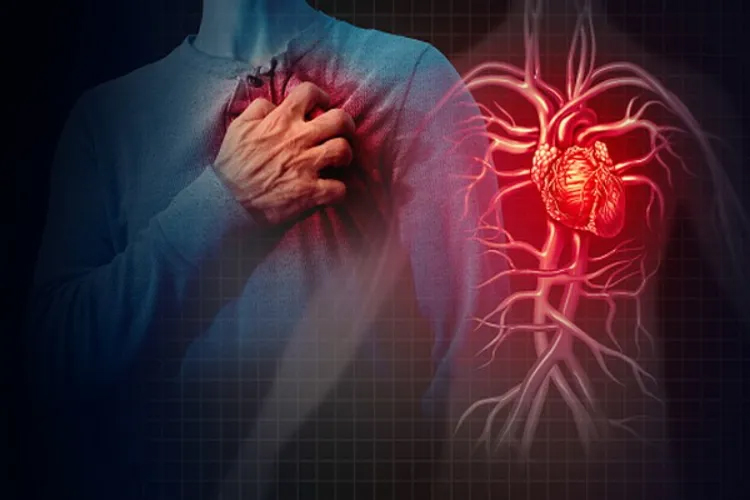
New Delhi, May 16: The growing obsession with muscular physiques and rapid body transformations among the urban youth in India is fuelling dangerous misuse of steroids, stimulant-heavy pre-workout powders and unregulated gym supplements, with cardiologists warning of rising risks of arrhythmias, heart failure and sudden cardiac events in seemingly healthy young men.
The trend, amplified by social media fitness culture and online supplement marketing, is pushing many gym-goers towards products and exercise regimens that may severely strain the heart, said Dr Rahul Chandola, Cardiovascular and Thoracic Surgeon and Chairman, Institute of Heart and Lung Diseases.
“We are increasingly seeing young individuals with palpitations, abnormal heart rhythms, high blood pressure spikes and even early structural heart changes linked to unsupervised supplement or steroid use,” Chandola said.
“The concern is not exercise itself. Regular exercise protects the heart. The danger comes when people combine extreme workouts with stimulants, anabolic steroids, dehydration and unrealistic body-image expectations,” he said.
Sudden collapses and cardiac deaths among young fitness enthusiasts and amateur bodybuilders have become a growing concern not just in India but globally.
Dr Mayank Yadav, a cardiothoracic and vascular surgeon at AIIMS, said many young consumers wrongly assume that supplements sold online or promoted by influencers are medically safe.
“People think if a product is available on an e-commerce platform or being used by fitness influencers, it must be harmless. That assumption is dangerous because many formulations are poorly regulated or consumed in unsafe quantities,” Yadav said.
India’s booming fitness economy and social media-driven “aesthetic fitness” culture are contributing significantly to the trend, he said.
Platforms such as Instagram and YouTube are flooded with transformation videos, supplement promotions and extreme fitness challenges targeting the youth, the doctor said.
Recent international scientific reviews have shown that anabolic-androgenic steroid use is associated with reduced heart pumping efficiency, thickening of heart walls and harmful cardiac remodelling.
Similarly, many modern pre-workout supplements contain combinations of very high caffeine doses, stimulants and performance-enhancing compounds that may elevate heart rate and blood pressure and trigger dangerous cardiovascular effects in susceptible individuals.
Chandola said an equally serious issue is being overlooked — the absence of proper heart-health screening before people begin aggressive exercise programmes or extreme fitness regimens.
“Many young individuals may already have silent or underlying cardiac abnormalities that remain completely undiagnosed until a catastrophic event occurs during intense exercise,” he said.
He pointed out that most routine annual health check-ups are often inadequate for identifying hidden cardiovascular disease.
“Many patients who suffer heart attacks later tell us they had recently undergone a ‘normal health check-up’. Unfortunately, most standard annual packages consist primarily of blood tests and a resting ECG, which is only a brief snapshot of the heart’s electrical activity and has limited ability to detect underlying blockages or deeper structural problems,” he said.
According to Chandola, this creates a dangerous false sense of reassurance, leaving many high-risk individuals undiagnosed despite undergoing regular health checks.
He stressed that individuals engaging in high-intensity fitness programmes, gym training or endurance exercise should undergo more meaningful cardiovascular screening, particularly those above 40 years of age or those with risk factors such as diabetes, hypertension, obesity, smoking history or family history of heart disease.
“Preventive cardiology must evolve beyond routine blood reports. Advances in biosensor technology and AI-driven cardiovascular screening are enabling earlier and more accurate assessment of heart health,” Chandola said.
He added that emerging technologies such as iLiveConnect, an AI-powered wellness health care management platform, are helping shift healthcare towards proactive and preventive screening models capable of identifying hidden cardiac risk with greater precision and scalability.
“The future of heart care lies in early detection. If we can identify vulnerable individuals before symptoms appear, we can prevent many avoidable tragedies.”
Doctors also warn against the widespread use of stimulant-loaded pre-workout powders before intense gym sessions.
“These products may contain extremely high caffeine concentrations along with multiple stimulants. Some users consume double scoops or mix them with energy drinks, creating enormous cardiovascular stress,” Chandola said.
Yadav also advised young gym-goers to avoid shortcuts to rapid muscle gain and seek professional medical guidance before using performance-enhancing substances.
“Exercise and fitness routines should prioritise overall health and longevity rather than endangering the heart for appearance-driven goals or social media approval,” he said. (PTI)
 Follow our WhatsApp channel
