

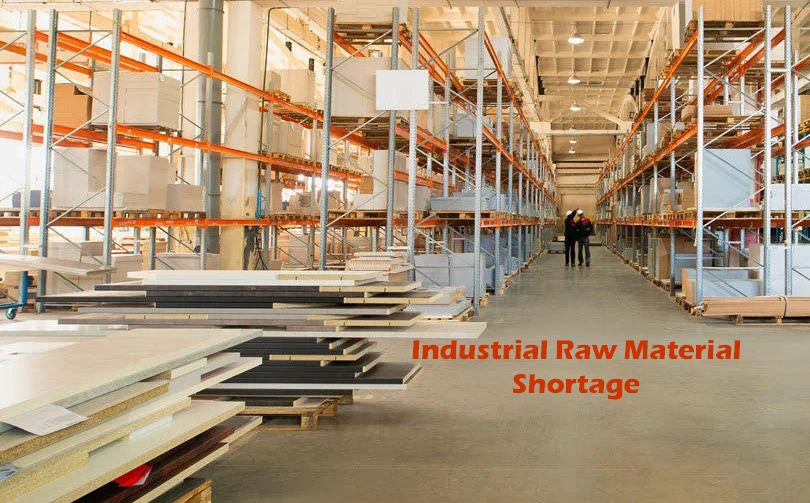
The West Asia conflict has reached far beyond its theatre of war, and the working industrial units of Jammu are now bearing its weight. Wars are rarely contained to the territories where they are fought. Their tremors travel through shipping lanes, supply chains and commodity markets, and they eventually reach places that no geopolitical analyst ever thought to mention. One such place is the industrial corridor of Jammu and Kashmir, where over 350 small and medium enterprises – producing everything from bitumen-based road materials to plastic goods and processed food – are today gasping for breath, their survival contingent on a ceasefire they have no power to negotiate. When the Iran-US/Israel conflict escalated, and the Strait of Hormuz effectively closed to commercial traffic, the immediate global conversation centred on oil prices and great-power posturing. What went largely unnoticed was the devastation quietly being visited upon micro, small, and medium enterprises thousands of miles away. Nobody truly foresaw the scale of disruption that lay ahead. Most business owners, industrialists and policymakers expected a short, contained confrontation – a few weeks of volatility followed by a return to normalcy. That assumption has proven catastrophically wrong.
The crisis has spiralled far beyond what anyone anticipated. Gulf nations had, over decades, invested billions of petrodollars into manufacturing infrastructure – mega-factories producing petrochemical raw materials such as plastic granules, resins, bitumen and industrial chemicals. A single prolonged war has rendered many of these facilities inoperable. Rebuilding them will take not months but years. In the meantime, the world faces a structural absence of raw material from what was once its most dependable source, and J&K’s MSME sector – utterly dependent on that supply chain – is bearing the full brunt of this vacuum.
For units not hampered by raw material shortages, a different but equally punishing set of problems has emerged. Finished goods that have been manufactured are piling up in warehouses because export routes remain disrupted. What has been sold is not being paid for, with delayed remittances and blocked fund flows adding a liquidity crisis to what was already a production crisis. LPG supplies – the lifeblood of dozens of units at Bari Brahmana, Samba and Kathua – have been throttled to half their required quota. Bitumen-dependent units have nearly ground to a halt, threatening road construction projects across the region and the livelihoods of thousands of workers employed in allied trades.
This is the crux of the matter: unlike large industrial conglomerates with deep reserves, diverse portfolios and access to institutional credit, MSME units possess none of these buffers. A two-month disruption is enough to push them to the brink of closure. And when these units shut, they do not merely affect their owners. Thousands of workers – daily-wage earners, skilled tradesmen, and transport workers – find themselves sitting idle, their wages evaporating along with production. The threat to livelihoods here is not abstract. It is immediate and real.
The Government’s decision to initiate a survey through MSME development and facilitation offices is a necessary first step, but it cannot be the last. Surveys document suffering; they do not alleviate it. What this moment demands is decisive, coordinated action across all stakeholders. Larger industrial houses operating in the same sectors must come forward to share intelligence on alternative raw material sources – be it South-East Asia, Central Asia or domestic suppliers who can step into the breach. The Federation of Industries and sector associations must act as honest brokers in connecting small units with these alternatives.
On the financial front, the request by industry associations for an enhancement of working capital limits and a moratorium on loan repayments deserves urgent and sympathetic consideration from both the Reserve Bank of India and commercial lenders. An immediate deferment of existing loan instalments, coupled with modest fresh credit at concessional rates, would provide the breathing room these units desperately need while the external situation stabilises. The waiver of interest on term loans until the end of 2026 is not an unreasonable ask given the extraordinary nature of this disruption. The workers and entrepreneurs of J&K’s industrial estates did not sign up for this conflict. They deserve an immediate workable plan to survive and revive.
 Follow our WhatsApp channel
