

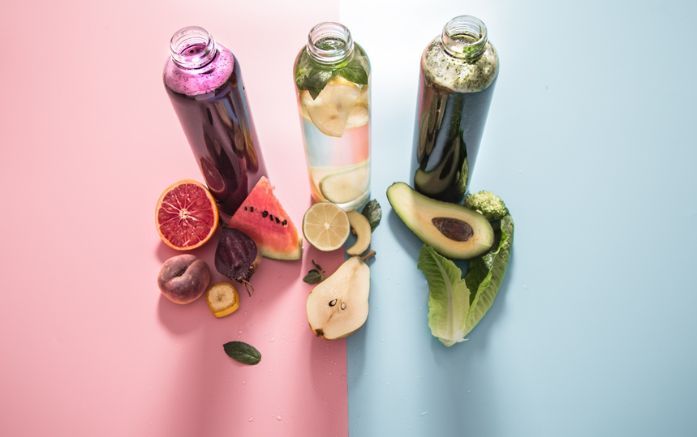
Detox diets are everywhere. Juice cleanses, 3-day liquid resets, herbal flush programs, all promising to remove “toxins” and reboot your body. Some people even claim that detoxing improves hair fall.
But does it really work? Or can it actually make things worse?
Let’s break this down properly.
What people mean by “detox”
Most detox diets claim to:
- Remove toxins from the body
- Improve digestion
- Reset hormones
- Reduce inflammation
- Improve skin and hair
The idea sounds appealing. If toxins cause inflammation and inflammation causes hair fall, then detoxing should reduce shedding. But the reality is more nuanced.
Your body already has a detox system
Your liver, kidneys, gut, and lymphatic system already detox your body every single day. If these organs are functioning normally, you don’t need extreme cleansing.
What actually affects hair fall more is:
- Nutrient deficiency
- Hormonal imbalance
- Chronic stress
- Poor gut absorption
- Inflammation
Severe detox diets often ignore these factors.
How aggressive detoxing can worsen hair fall
Many popular detox diets are extremely low in calories and protein. That’s a problem because hair is made of keratin, which requires adequate protein.
When you drastically reduce calories:
- The body shifts into survival mode
- Nutrient intake drops
- Protein intake falls
- Hair follicles move into shedding phase
This is why many people experience hair fall after crash dieting, juice cleanses, or extreme fasting.
When detoxing may indirectly help
That said, not all “detox” approaches are harmful. If detox means:
- Reducing processed foods
- Cutting excessive sugar
- Limiting alcohol
- Improving hydration
- Adding fiber
Then yes, this can reduce inflammation and improve gut health, which may indirectly support hair health.
The key difference is between extreme restriction and structured reset.
The gut connection
If someone has chronic bloating, constipation, or poor digestion, improving gut function can reduce internal inflammation. In that context, a gentle dietary reset that supports the gut, rather than starves the body can help.
But starving yourself in the name of detox often backfires.
Signs your hair fall may worsen with detox
Be cautious if:
- You feel weak or dizzy during the cleanse
- Your protein intake drops significantly
- You are already underweight
- You have a history of nutrient deficiency
- You recently experienced stress-related shedding
In these cases, aggressive detoxing can push more follicles into the resting phase.
A smarter alternative
Instead of extreme detox diets, consider:
- Supporting liver health through balanced meals
- Increasing fiber for better bowel movement
- Eating iron-rich and protein-rich foods
- Staying hydrated
- Reducing inflammatory foods gradually
Hair thrives on stability, not shock.
Where a structured approach helps
Rather than guessing whether “toxins” are the issue, it’s better to understand the actual root cause. Traya’s model, for example, focuses on mapping internal triggers like stress, gut imbalance, hormonal shifts, and deficiencies before suggesting dietary corrections. That prevents unnecessary restriction and focuses on real drivers of hair fall.
Detox diets do not directly reduce hair fall. Extreme detoxing can actually increase shedding by depriving the body of nutrients.
However, improving digestion, reducing processed food, and lowering inflammation in a structured way can support healthier hair growth.
Hair recovery requires nourishment, not starvation.
 Follow our WhatsApp channel
