

Ram Rattan Sharma
internetzonejammu@gmail.com
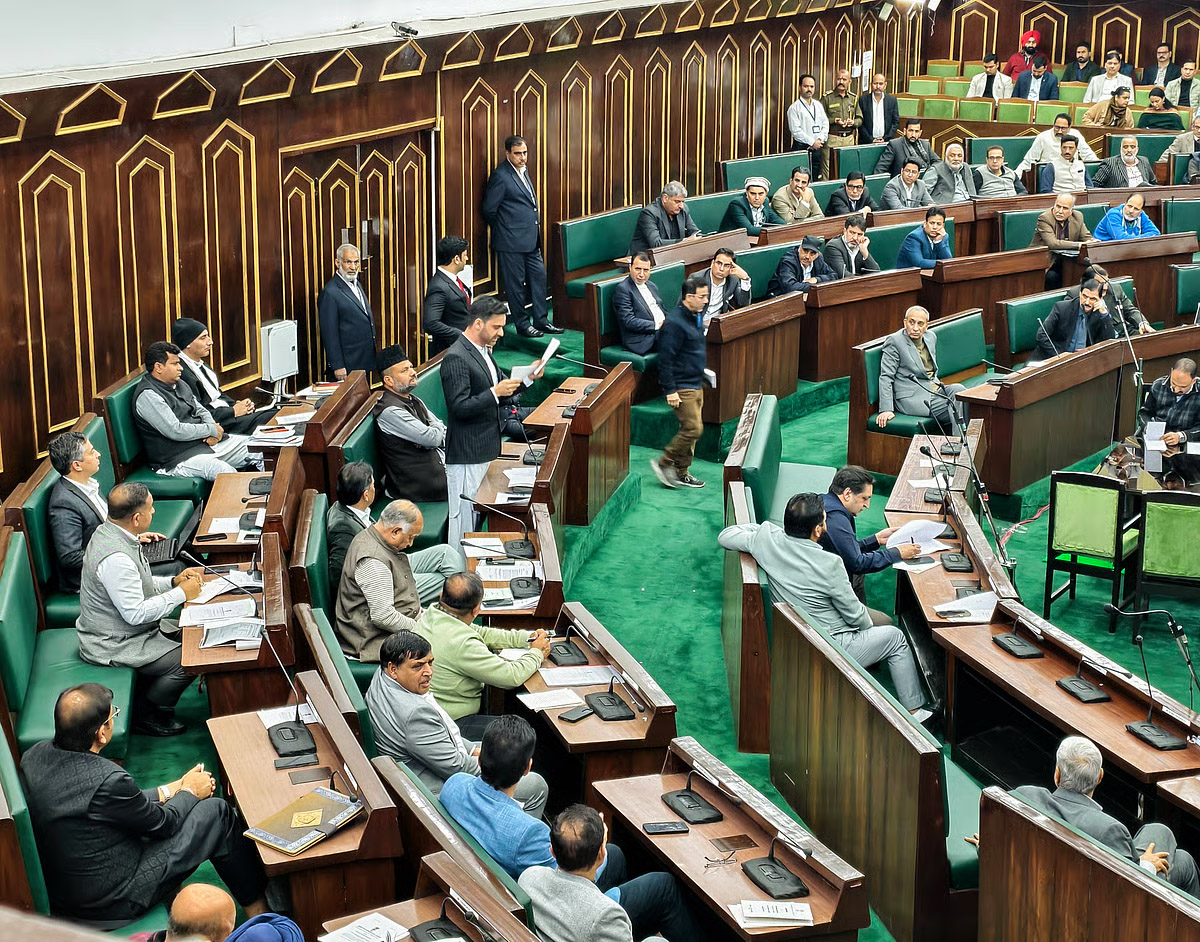
The bill titled “The Jammu and Kashmir Territorial Administrative reorganization bill 2026” was moved by PDPMLA Waheed-Ur-Rehman Para as a private members ‘s bill. It proposes a statutory frame work under which new divisions, districts, sub division and tehsils can be created, but its proponents describe it as adhoc executive delimitations of Administrative units. The core territorial demand is the creation of two new administrative divisions in addition to the existing Jammu and Kashmir divisions. A Chenab division with headquarters at Doda (Covering the Chenab Valley Region) and a Pirpanjal division with headquarters at Rajouri (covering the Pirpanjal-Rajouri Poonch belt). These new divisions are presented as instruments to improve grievances, services delivery and regional balance in remote and hilly areas.
In the evolving legislative landscape of the Jammu and Kashmir legislative assembly, the introduction of a private members bill has sparked a fresh wave of debate one that goes beyond the technicalities of law making and touches the deeper question of regional equity. While private members bills are an essential democratic tool allowing legislatures to raise important issues, the present proposal has raised serious concern in the Jammu region about fairness, representation, and long term implications.
At the heart of the matter lies a familiar apprehension: whether Jammu’s voice is being adequately heard and reflected in decisions that impact its socio- economic and political landscape. Over the years, a perception has steadily grown that Jammu’s concerns are often sidelined in the broader policy framework. The current bill regardless of its stated intent, risks reinforcing that perception or it is seen as disproportionately favouring one region over another.
Jammu’s unique demographic composition geographic spread and developmental needs require careful consideration in any legislative exercise. A “one-size-fits-all” approach may not only fail to address local but could also deepen existing disparities. Stakeholders in Jammu argue that before moving forward with such proposals, there must be a wider consultation, inclusive dialogue, and a transparent assessment of how the bill will affect different regions.
Another critical concern is the process itself. Democratic governance thrives not merely on the passage of laws but on the legitimacy derived from participation and consensus. When legislation is perceived to be introduced without sufficient public debate or stakeholders engagement, it risks alienating sections of the population.
In a region like Jammu and Kashmir marked by diversity and sensitivities such perceptions can have far reaching consequences.
Moreover, the timing of the bill has also come under scrutiny. At a time when efforts are being made to foster unity, development and trust among the regions, any legislative move that appears divisive can undermine these objectives. Instead of bridging gaps, it may inadvertently widen them leading to renewed regional discontent.
It is equally important to examine the broader implications of the bill. Laws are not enacted in isolation, they shape governance patterns, resource allocation, and institutional priorities.
If the proposed legislation alters these dynamics in a way that disadvantages Jammu, even indirectly, it could have long term repercussions on development and public confidence.
This is not to suggest that legislative innovation should be discouraged. On the contrary private members will have historically played a vital role in bringing new ideas into the public domain. However innovation must be balanced with inclusivity.
A law that fails to carry all regions along risks losing both its moral authority and practical effectiveness.
What is needed at this juncture is not confrontation but course correction. The assembly would do well to pause, review and engage more deeply with stakeholders from Jammu and other regions. Constructive debate, backed by data and grounded realities can help refine the bill into a more balanced and widely acceptable piece of legislation.
The people of Jammu are not opposed to change, they are opposed to exclusion, their demand is simple and legitimate, equitable consideration in decisions that shape their future. Ignoring the sentiment would not only be politically unwise but also contrary to the principles of justice and fairness that underpin democratic governance.
As the debate unfolds, the responsibility lies with policymakers to ensure that no region feels left behind. Equity must not remain a theoretical commitment- It must be reflected in every legislative action, only then can the promise of inclusive governance in Jammu and Kashmir be truly realised.
(The author is former Deputy Librarian, University of Jammu)
 Follow our WhatsApp channel
