

Dr Goldi Hazari
goldihazari@gmail.com
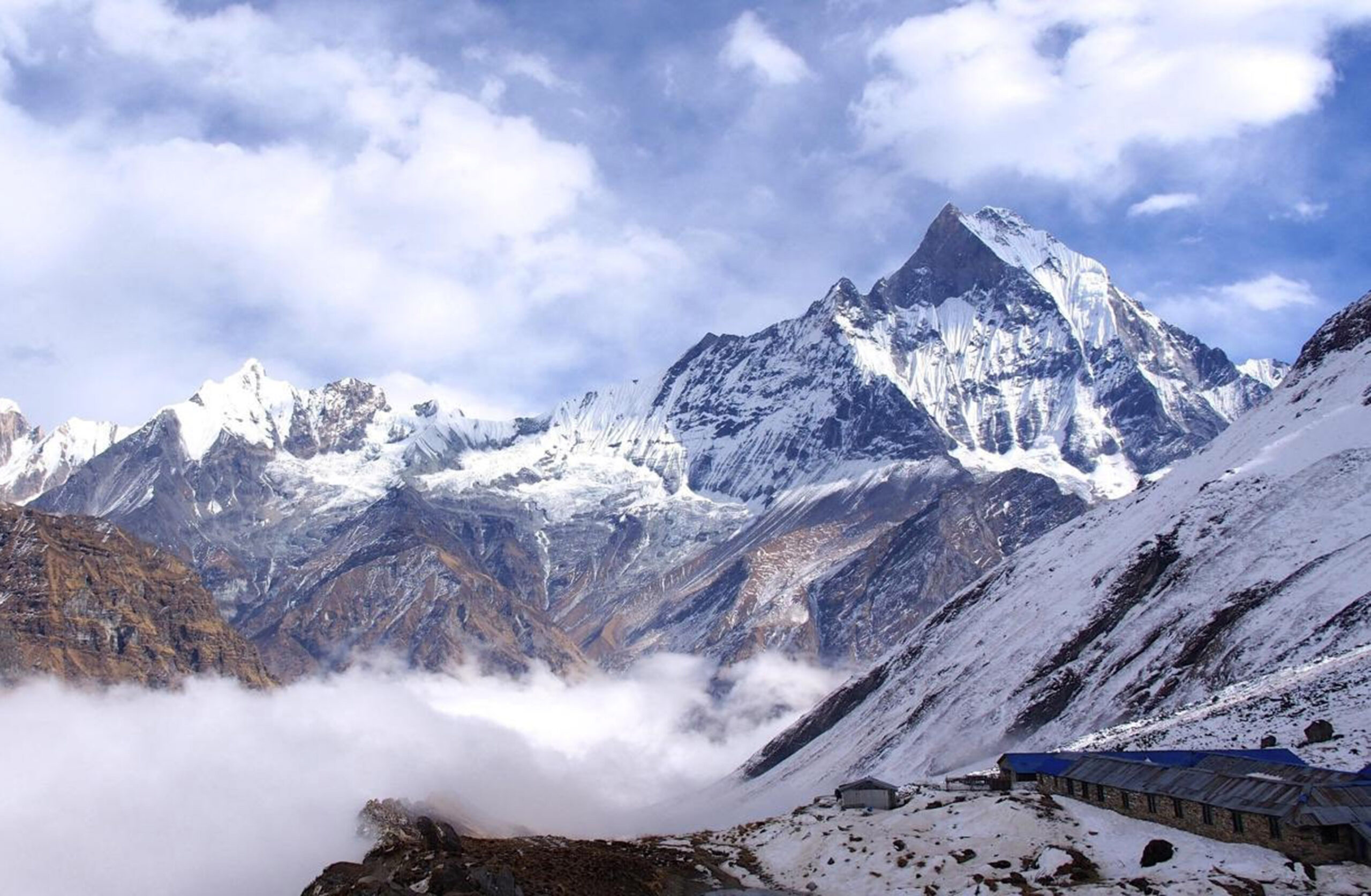
The Himalayas, often referred to as the “Guardians of Weather,” play an indispensable role in regulating the climatic patterns of Jammu and Kashmir. These towering peaks, with their snow-capped summits, act as formidable barriers and powerful influencers, dictating the meteorological landscape of the Union Territory. It is largely due to the benevolent presence of the Himalayas that Jammu and Kashmir experiences the distinct embrace of all four seasons – the vibrant bloom of spring, the warmth of summer, the fiery palette of autumn, and the serene tranquility of winter.
The imposing stature of the high, snow-clad mountains is not merely a picturesque characteristic; it is a vital component of the region’s hydrological cycle. These pristine white expanses serve as the primary source for numerous glaciers that adorn the Himalayan ranges within Jammu and Kashmir. These glaciers, in turn, are the lifeblood of the region, acting as vast natural reservoirs of fresh water. Throughout the warmer months, the gradual melting of this glacial ice feeds the rivers, streams, and tributaries that crisscross the Union Territory, sustaining agriculture, providing drinking water to communities, and powering hydroelectric projects. Without the constant replenishment from these glacial reserves, the water security of Jammu and Kashmir would be gravely compromised.
Beyond their role in water sustenance, the Himalayas, with their diverse altitudinal zones, foster an array of ecosystems that are intrinsically linked to weather regulation. At the lower and mid-altitudes, dense, verdant forests carpet the mountain slopes. These thick green canopies are not just aesthetically pleasing; they are active participants in the atmospheric processes that govern rainfall and snowfall. Through processes such as evapotranspiration, these forests release significant amounts of moisture into the atmosphere, contributing to the formation of clouds and ultimately influencing precipitation patterns. The presence of these extensive forests acts as a natural humidifier and regulator, moderating the intensity of rainfall and snowfall events.
The interaction between the vast Himalayan mass and the prevailing atmospheric currents creates a unique microclimate for Jammu and Kashmir. The mountain ranges act as a physical impediment to the movement of air masses. For instance, they effectively block the cold, dry winds originating from Central Asia during winter, thereby preventing the Union Territory from experiencing the extreme frigid temperatures that characterize regions further north. Conversely, during the monsoon season, the Western Himalayas influence the trajectory of the monsoon winds. While the main Indian monsoon is largely deflected southwards by the Greater Himalayas, a weaker, though still significant, branch can penetrate the region, bringing much-needed precipitation.
The elevation and orientation of the Himalayan peaks also play a crucial role in determining the distribution of sunlight and temperature. The southern slopes, receiving more direct sunlight, tend to be warmer and support different vegetation compared to the shaded northern slopes. This differential heating and cooling of the mountain surfaces creates localized wind systems, further contributing to the complexity of the regional weather.
The impact of the Himalayas on the four distinct seasons experienced in Jammu and Kashmir is profound and multifaceted. Spring arrives with a gentle awakening. As the snow begins to melt, fed by rising temperatures, the landscape transforms. Rivers swell, and the firstSigns of greenery emerge on the lower slopes. The Himalayas act as a buffer, moderating the transition from the harshness of winter to the full bloom of summer.
Summer in Jammu and Kashmir, while warm, is generally more temperate than in the plains due to the orographic effect of the mountains. The higher altitudes provide natural air conditioning, making places like Gulmarg, Pahalgam, and Sonamarg popular escapes from the heat. The mountains continue to influence rainfall patterns, with localized showers and thunderstorms, often occurring in the late afternoons, refreshing the landscape.
Autumn is a spectacle of color, largely attributed to the climatic conditions fostered by the Himalayas. The dry, cool air, coupled with ample sunlight, allows the deciduous forests to display their vibrant hues of red, orange, and yellow. The Himalayas contribute to the clear skies and the crisp, refreshing air that characterizes this season, making it an ideal time for tourism and trekking.
Winter brings a blanket of snow, a defining feature of Jammu and Kashmir’s identity. The Himalayas are the architects of this winter wonderland. Cold air masses are trapped by the mountains, and the high altitudes ensure persistent low temperatures, leading to heavy snowfall. This snowfall is crucial for the region’s economy, particularly for the development of winter tourism and sports. The snowpack on the Himalayas also acts as insulation, protecting the underlying vegetation and soil from extreme frost damage.
However, the influence of the Himalayas is not without its challenges. The same geographical features that provide climatic stability also make the region susceptible to natural disasters. Avalanches, landslides, and flash floods are often triggered by the volatile weather patterns and the steep terrain associated with mountainous regions. The rapid melting of glaciers due to climate change poses a significant long-term threat to water resources, altering the delicate balance that the Himalayas have historically maintained.
In conclusion, the Himalayas stand as silent, majestic sentinels, intrinsically woven into the climatic fabric of Jammu and Kashmir. They are the primary regulators of weather, shaping the distinct four seasons, nurturing vital water resources through their glaciers, and influencing rainfall and snowfall patterns through their forested slopes. The towering peaks not only define the geography but also dictate the very rhythm of life in the Union Territory, a constant reminder of nature’s immense power and its intricate, awe-inspiring designs. Understanding and respecting this profound relationship is crucial for the sustainable future of Jammu and Kashmir and its people, who have lived in harmony with these grand guardians for millennia. The continuous study of Himalayan meteorology and its impact is essential for adapting to changing climate dynamics and ensuring the region’s continued prosperity and ecological integrity.”
(The author is Medico ESIC Hospital New Delhi)
 Follow our WhatsApp channel
