

The High Court’s sharp reprimand of the administration for failing to submit an Action Taken Report on flood-prevention measures is not just a judicial rebuke-it is a stark reminder of the administrative apathy that continues to leave Kashmir exposed to another 2014-like catastrophe. Despite clear directions dating back to 2017 regarding the demarcation of National Parks, wildlife sanctuaries, Conservation Reserves, and wetlands-critical buffers against flooding-the government has chosen to look the other way. The Court had specifically ordered the use of GIS technology to carry out precise demarcation and ensure a total ban on construction in these ecologically sensitive areas. Yet, eight years later, authorities have nothing concrete to show. The silence is deafening, and the consequences could be disastrous. The Amicus Curiae’s submissions highlight glaring omissions in the status reports, with crucial sites like Kazinag National Park and Limber and Lachipora Sanctuaries left out altogether. This is not oversight; this is neglect.
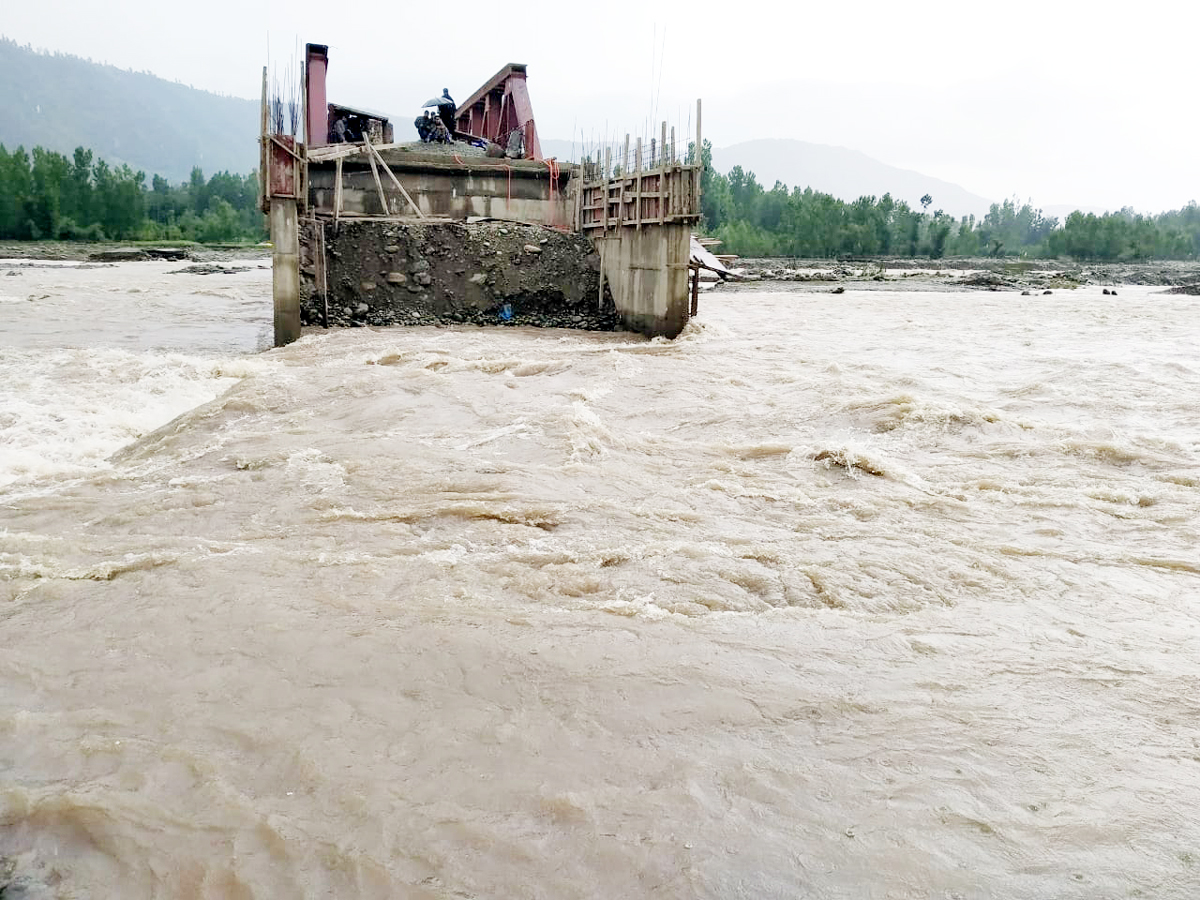
The question is, why has the administration dragged its feet? Any genuine demarcation exercise will expose the scale of encroachment-by influential land grabbers and vested interests-into wetlands and floodplains. Once such encroachments are documented, the next logical step would be removal. The reluctance to act appears less about capacity and more about unwillingness to disturb powerful benefactors. Meanwhile, ordinary citizens remain at the receiving end. With changing weather patterns, erratic rainfall, and glacial melt, the Valley faces an ever-rising flood threat. This year itself, floods wreaked havoc across several regions, causing crores in losses. Each passing year without remedial action only compounds the vulnerability, both economic and human.
The HC’s warning to the Divisional Commissioner must serve as a wake-up call. No ATR means no accountability; no action means no policy. Flood control cannot remain a matter of paperwork, adjournments, and excuses. The government must immediately operationalise the Court’s directives-complete demarcation, reconnect wetlands and streams with the Jhelum, and enforce a strict ban on construction in flood-prone zones. The costs-human, ecological, and economic-are unbearable. Time is of the essence, and dithering any longer would be criminal negligence. The administration must act decisively to protect citizens and the ecology.
 Follow our WhatsApp channel
