

NEW DELHI, Apr 15: Wholesale price inflation rose for the fifth straight month, at 3.88 per cent in March, driven by a sharp spike in rates of fuel, power and manufactured items amid the West Asia crisis, government data showed on Wednesday.
Wholesale Price Index (WPI)-based inflation was 2.13 per cent in the previous month and 2.25 per cent in March last year.
“Positive rate of inflation in March 2026 is primarily due to increase in prices of crude petroleum & natural gas, other manufacturing, non-food articles, manufacture of basic metals and food articles, etc.,” the industry ministry said in a statement.
According to WPI data, inflation in the fuel and power basket spiked to 1.05 per cent in March, from a deflation of 3.78 per cent in February.
Inflation in crude petroleum spiked to 51.57 per cent during March, against a deflation of 1.29 per cent in the previous month.
Manufactured products inflation rose to 3.39 per cent in March, from 2.92 per cent in February.
The pace of hike in food articles prices, however, eased to 1.90 per cent, from 2.19 per cent in February.
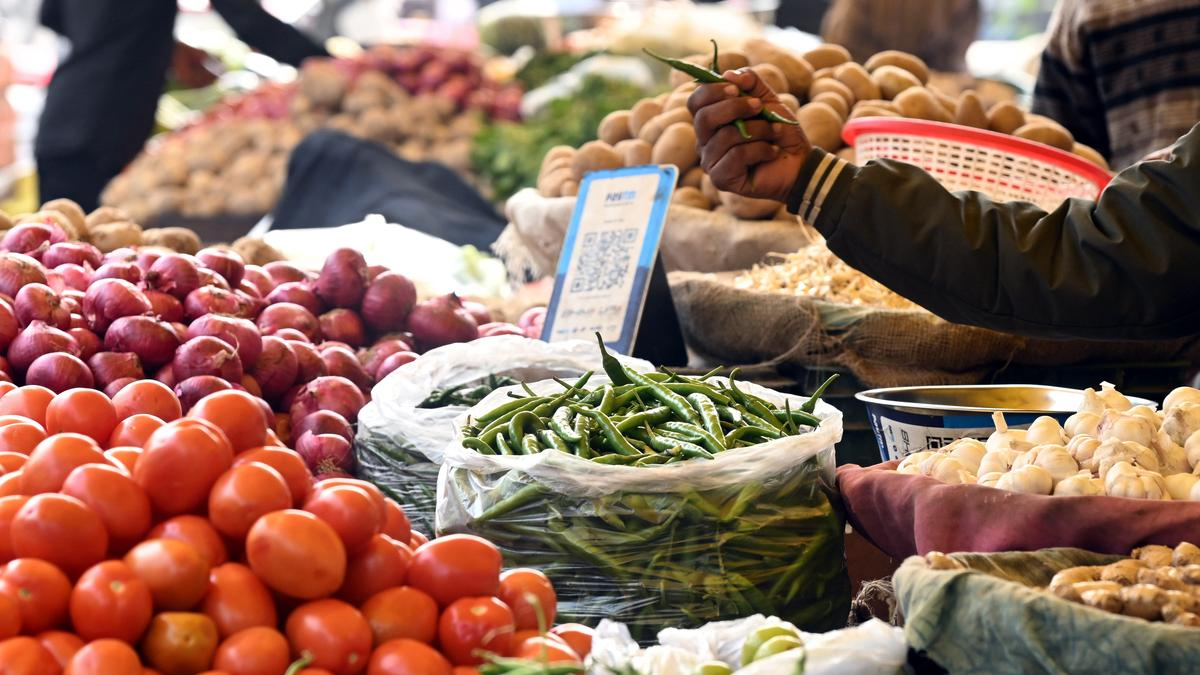
In vegetables, inflation softened to 1.45 per cent in March, against 4.73 per cent in February.
The ongoing crisis in West Asia after the US-Israel attack on Iran has led to a sharp rise in crude oil prices globally. Crude prices have risen by more than 50 per cent since the crisis began on February 28.
The government, on March 26, reduced excise duty by Rs 10 per litre on both petrol and diesel to ensure that fuel retailers do not pass the higher crude oil price to consumers.
The excise duty cut decision was taken in response to the steep and rapid rise in international crude oil prices, which had surged from approximately USD 70 per barrel to around USD 122 per barrel over the month – an increase of nearly 75 per cent in under four weeks, driven by the ongoing conflict in West Asia and associated disruptions to global energy supply chains.
Consumer price index-based retail inflation rose 3.4 per cent in March compared to 3.21 per cent in the preceding month, mainly due to an uptick in certain food items, data released earlier this week showed.
The Reserve Bank of India (RBI) in its first bi-monthly monetary policy earlier this month kept interest rates unchanged.
The RBI mainly tracks retail inflation for deciding on benchmark lending rates. (PTI)
 Follow our WhatsApp channel
