

Swati Suman
Water conservation has become an important issue in today’s time, and regions like Jammu are no exception. With changing climate conditions, growing population, and increasing urbanization, the pressure on water resources is rising steadily. In such a situation, lakes and natural water bodies play a crucial role in maintaining balance in the environment.
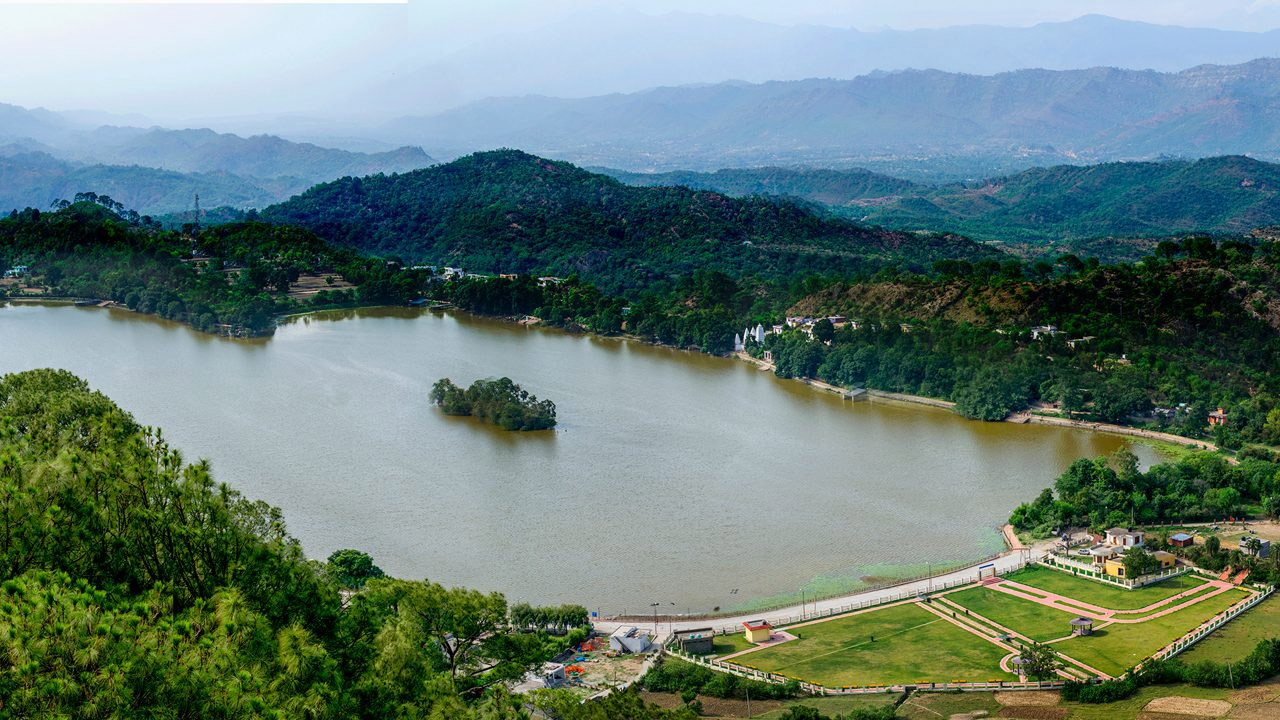
Two of the most significant water bodies in the region are Mansar Lake and Surinsar Lake. These lakes are not only important from a tourism or cultural point of view but also serve a vital ecological purpose. They help in recharging groundwater, maintaining local climate conditions, and supporting a variety of plant and animal life.
Despite their importance, these lakes are facing several challenges today. Pollution is one of the biggest concerns. Plastic waste, untreated sewage, and human activities around these areas are affecting water quality. In addition, unplanned construction and encroachment near water bodies are creating further problems. Climate change is also playing a role, as irregular rainfall patterns are affecting water levels.
The impact of these issues goes beyond the environment. Water scarcity can directly affect daily life, agriculture, and overall well-being of people. If these problems are not addressed in time, they may lead to more serious challenges in the future. This makes water conservation not just an environmental concern, but a shared responsibility.
The government and local authorities have taken steps to address these concerns. Awareness campaigns, cleanliness drives, and conservation projects are being carried out to protect these water bodies. Efforts are also being made to promote rainwater harvesting and better water management practices.
However, real change can only happen when individuals also take responsibility. Simple actions like reducing the use of plastic, avoiding littering near lakes, and using water wisely in daily life can make a big difference. Community participation is key to ensuring long-term success in conservation efforts.
Educational institutions can also play an important role by spreading awareness among students. When young people understand the importance of water conservation, they are more likely to adopt responsible habits and influence others as well.
In the end, water is one of the most valuable resources we have. Protecting it is essential for our present as well as our future. The lakes of Jammu are not just beautiful natural sites; they are lifelines that support the region’s environment and communities.
If we act responsibly today, we can ensure that these water resources remain safe and available for future generations. Water conservation is not a choice anymore, it is a necessity.
 Follow our WhatsApp channel
