

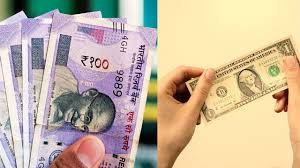
NEW DELHI, May 16: Rupee breaching one level after another is more a reflection of sentiment-driven weakness than any serious deterioration in macro fundamentals, said N ArunaGiri, CEO of TrustLine Holdings.
He warned that the real risk is that, if left unchecked, this loss of confidence can turn into a self-fulfilling vicious cycle, triggering further pressure on the rupee that is not warranted by underlying fundamentals.
“If one looks at India’s macro position today, the situation is far from alarming. The current account deficit remains manageable, forex reserves are reasonably comfortable with import cover of nearly eight to nine months, and the fiscal deficit trajectory continues to remain relatively stable. Given these macro metrics, there is little justification for such a sharp depreciation in the rupee,” Giri said.
He highlighted that currency markets are often driven as much by perception as by fundamentals.
Basically, when investment flows weaken and markets begin anticipating further outflows amid an uncertain geopolitical backdrop, that expectation itself starts exerting pressure on the currency.
Giri warned that if such sentiment is allowed to build unchecked, then it can create its own cycle of panic and accelerated depreciation.
“This is precisely why it is extremely critical for the RBI to step in proactively and announce confidence-building measures, similar to the steps initiated by former RBI Governor Raghuram Rajan during the 2013 currency crisis. Any delay in action risks aggravating market nervousness and intensifying pressure on the rupee further,” he suggested.
The 2013 currency crisis is widely known as the “Taper Tantrum,” a period of severe financial panic that caused emerging markets, most notably the Indian Rupee, to plummet against the US dollar.
At that time, then RBI Governor Raghuram Rajan introduced a lucrative foreign currency swap scheme (FCNR-B) to attract billions in NRI deposits, which was provided by subsidised dollar swap windows for oil marketing companies (OMCs).
Rajan also hiked short-term interest rates to aggressively defend the crashing currency.
Pointing towards the country’s premier central bank, Aruna Giri said, ” The RBI cannot afford to remain a passive spectator at this stage. What the market needs immediately is a strong policy signal that restores confidence and breaks the negative sentiment cycle.”
“One possible measure could be launching FCNR dollar deposits, which can help attract foreign currency inflows and provide immediate relief to near-term pressure on the rupee. The government, on its side, could look at tax concessions for FII investments, like cutting TDS on bond sales, reductions in capital gains taxation, etc. It is time for action now,” he concluded.
(UNI)
 Follow our WhatsApp channel
