

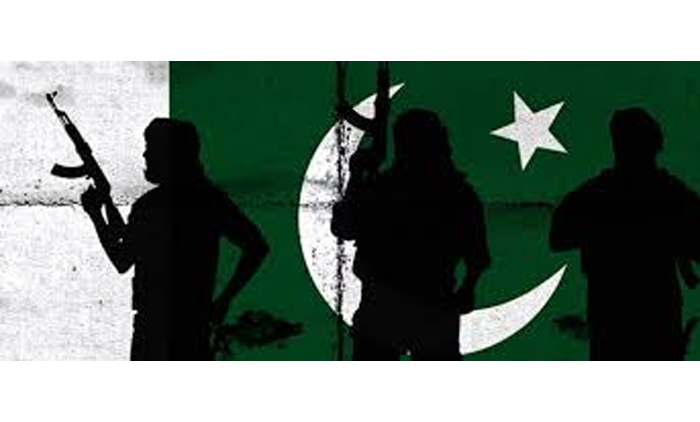
Pakistan’s ascent to the top of the Global Terrorism Index is not merely a statistical milestone-it is a stark indictment of decades of strategic miscalculations. A 6 per cent rise in terror-related fatalities, with 1,139 deaths and over a thousand incidents in 2025, reflects a deepening internal crisis in a country already grappling with economic fragility and political instability. For a debt-ridden state teetering on the brink, this convergence of security and fiscal stress presents a dangerous spiral with global implications. What was once perceived as a calibrated state policy-leveraging non-state actors to secure strategic depth-has now turned decisively inward. The Tehreek-i-Taliban Pakistan has emerged as the deadliest force within the country. Its intensified campaign, marked by a surge in attacks and fatalities, underscores the perils of nurturing militancy as a tool of policy. Similarly, the Balochistan Liberation Army, driven by longstanding grievances over political marginalisation and alleged state repression, has escalated its operations into what increasingly resembles a full-fledged insurgency.
The internal security vacuum is most visible along Pakistan’s western frontier. Khyber Pakhtunkhwa and Balochistan have effectively become theatres of sustained conflict, with frequent IED blasts, targeted killings, and high-casualty encounters. The resurgence of the Taliban in Afghanistan has further emboldened militant networks. The irony is stark: forces once seen as allies are now among the principal threats to the Pakistani state. Equally troubling is the sharp rise in hostage-taking incidents, pointing to a deterioration not just in security control but also in governance capacity. The state’s inability to protect its citizens erodes public confidence and fuels further instability. No region appears insulated, and the perception of widespread insecurity risks undermining already fragile economic recovery efforts. Pakistan’s current predicament is, in many ways, a crisis of its own making. Decades of selective counterterrorism, ideological patronage, and suppression of internal dissent have created conditions for sustained violence. Yet, there is little evidence of meaningful course correction. Instead, escalating tensions with Afghanistan and continued internal repression threaten to compound the crisis.
For the international community, this is not a distant problem. A nuclear-armed state descending into deeper instability poses risks that transcend borders. There is a compelling case for stronger global intervention-diplomatic pressure, stringent financial oversight, and, if necessary, targeted sanctions-to compel a decisive shift away from policies that have long enabled extremism. Pakistan is now confronting the consequences of its past choices.
 Follow our WhatsApp channel
