

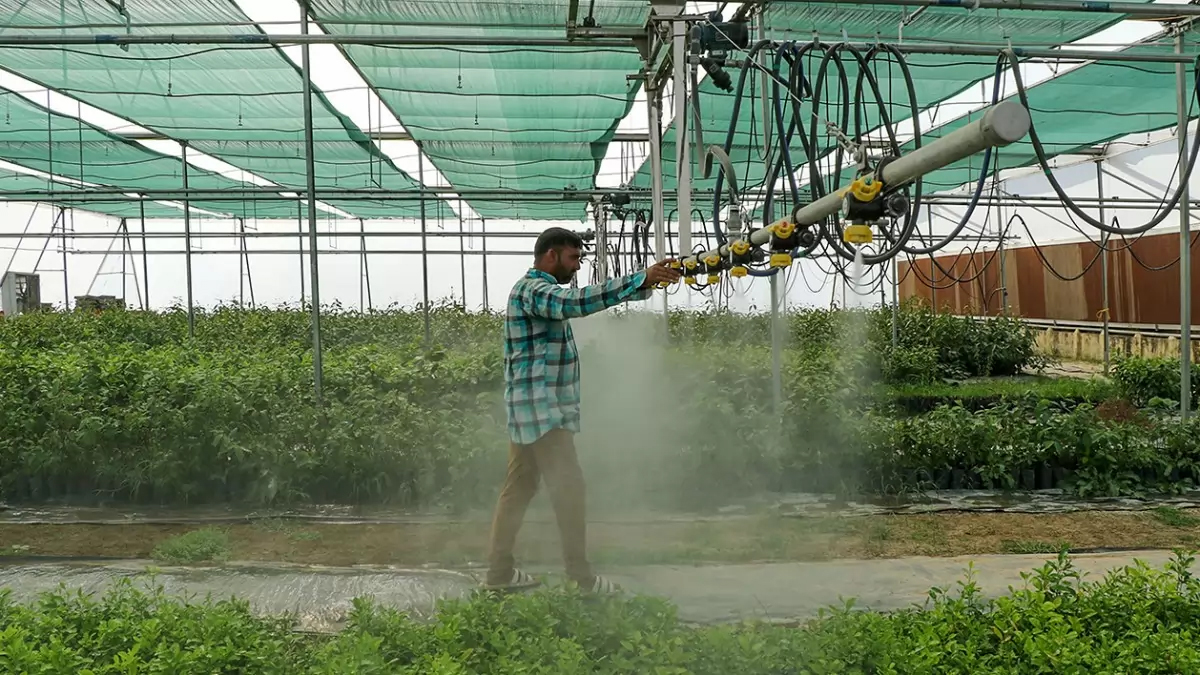
J&K sits on a goldmine of horticultural wealth, yet squanders it season after season through indifference, poor infrastructure and a stubborn resistance to modernisation. UT produces some of the finest winter fruits in India – apples, cherries, walnuts, and plums – the envy of growers across the subcontinent. Yet a damning assessment by NITI Aayog has laid bare what those within the sector have long known but preferred not to say: J&K is systematically failing to convert its exceptional horticultural endowment into lasting economic value. The NITI Aayog report is unsparing in its identification of structural failures. Of over 2,000 registered food processing units in the UT, a mere 11 per cent are engaged in horticultural processing. That figure is not simply disappointing – it is a measure of institutional inertia. Processing units handling spices and other produce continue to rely on outdated machinery and archaic packaging systems, producing products that cannot compete on quality in any serious market. With only 60 Controlled Atmosphere stores and a handful of standalone pack houses, the cold chain infrastructure is grossly inadequate to handle even the A-class fraction of J&K’s annual apple harvest of 21.4 lakh metric tonnes.
The consequences of this neglect play out with grim predictability every season. The dominant impulse among growers and traders alike is to rush every available box of fruit out of the valley at the earliest opportunity. The logic is understandable; the outcome is self-defeating. Kashmiri cherries, apples and plums flood Delhi and other markets simultaneously, driving prices down to whatever distressed rates a buyer is willing to offer – invariably well below what Himachal Pradesh fruit commands. The very surplus that ought to be J&K’s competitive advantage becomes its liability. Cold storage sits underutilised. When the Jammu-Srinagar highway is blocked – a reliably seasonal event – the fragility of this single-exit strategy becomes catastrophic. With few CAS, produce rots. Growers absorb losses. And the cycle repeats.
The contrast with Himachal Pradesh is impossible to ignore and should be a source of acute embarrassment for policymakers. HP has not merely captured a dominant share of the apple market; it has built a constellation of local brands – juices, jams, pickles, and preserves – that extract value from the same orchard that J&K sends away in bulk. J&K, by contrast, has almost nothing to show by way of branded processed produce, despite hosting over 1.5 to 2 crore tourists annually – a captive premium market that any alert food economy would have colonised years ago. That J&K has no identifiable brand to place before this footfall is not an oversight; it is a failure of strategic imagination at every level of the value chain.
Compounding the processing deficit is the slow pace of orchard renewal. Despite financing schemes from institutions including J&K Bank, the transition to high-density, high-quality plant stock has proceeded far too slowly. Aged orchards yield produce that is inconsistent in size, colour and sugar content – disqualifying it from premium markets that increasingly demand certified quality. This structural weakness is about to become far more acute. With tariff exemptions widening access for American apple imports, J&K growers will face competition of a quality and scale for which they are plainly unprepared. The runway for comfortable complacency has closed.
NITI Aayog has not merely catalogued the problems; it has prescribed a way forward. Targeted training programmes, workshops and technical resource access are recommended to close the knowledge gap among small farmers and cooperatives. Investment in aseptic processing facilities, logistics networks and last-mile cold chain connectivity are identified as urgent priorities. The report calls for collaborative frameworks linking government agencies, industry, research institutions and development partners – the architecture of a functioning agri-value ecosystem.
The UT administration must now treat this report not as a compliance document to be filed and forgotten but as an operational mandate. The push for value-added processing industries, branded regional products and export-ready certifications must come from the administration with the same urgency it applies to infrastructure projects. Youth entrepreneurship in food processing, supported by dedicated credit lines and market linkages, represents the fastest route to reducing the valley’s dependence on the extraction-and-flood model. NITI Aayog has handed the administration both the diagnosis and the prescription.
 Follow our WhatsApp channel
