

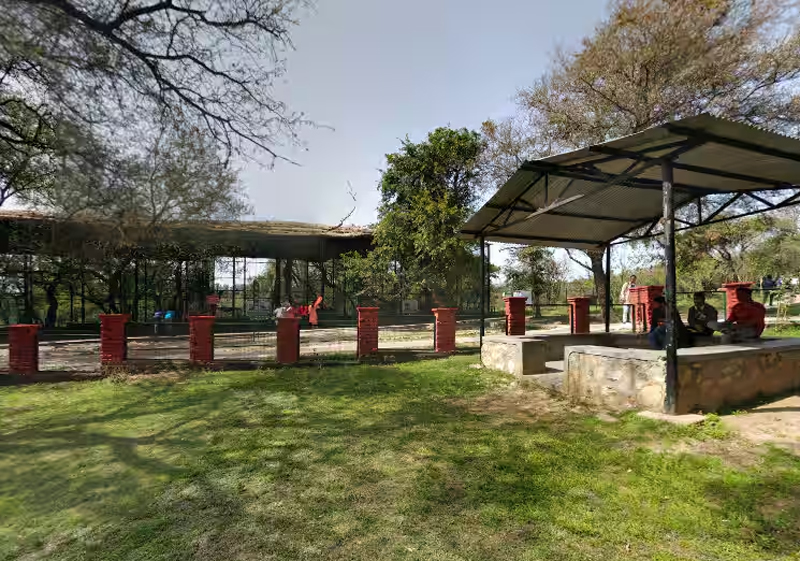
The Wildlife Protection Department’s proposal to develop a Biodiversity Conservation Park within the existing Manda Zoo premises is both timely and visionary. At a moment when cities are rapidly surrendering their green lungs to concrete expansion, this initiative offers Jammu a rare opportunity to blend conservation, education and urban well-being within its own limits. Manda holds a special place in Jammu’s collective memory and daily life. Nestled amid serene surroundings, it has long been a refuge for morning walkers, nature lovers and families seeking respite from the city’s hectic pace. The zoo at Manda was once a major attraction for children, introducing generations to wildlife in a natural, accessible setting. Over the years, despite growing urbanisation around it, Manda has managed to retain its calm and ecological character-thanks largely to its natural habitat and the proactive role of local morning walkers.
With all animals now shifted to the modern Jambu Zoo, the decision to repurpose Manda as a Biodiversity Conservation Park is a welcome course correction rather than an abandonment of the site. Instead of allowing valuable green space to lie underutilised, the department has chosen to reimagine it as a hub for conserving rare, endangered and threatened floral and faunal species. The proposed components-turtle and butterfly conservation centres, a herbal garden, a climate house, interpretation trails and eco-friendly camping facilities-reflect a holistic understanding of conservation that goes beyond mere display of animals. In the bustle of city life, a biodiversity park offers something profoundly valuable: a living classroom. For young children, it can rekindle curiosity about nature through close encounters with butterflies, turtles, native plants and insects-experiences that textbooks alone cannot provide. It opens avenues for study and awareness around biodiversity loss, climate change and sustainable practices.
Its strategic location along NH-44 further enhances its potential. Pilgrim tourists and visitors passing through Jammu could find in Manda a refreshing stopover, adding much-needed tourist value to the city without heavy infrastructure or ecological cost. Importantly, this is within walking distance for residents, an increasingly rare urban privilege. The Manda Biodiversity Park can emerge as a vibrant evening destination, a conservation hub and a symbol of Jammu’s commitment to living with nature rather than against it. One only hopes that the proposal moves swiftly from paper to ground, allowing Manda to continue-and enhance-its role as Jammu’s green sanctuary.
 Follow our WhatsApp channel
