

Researchers warn of health, environmental risks
Irfan Tramboo
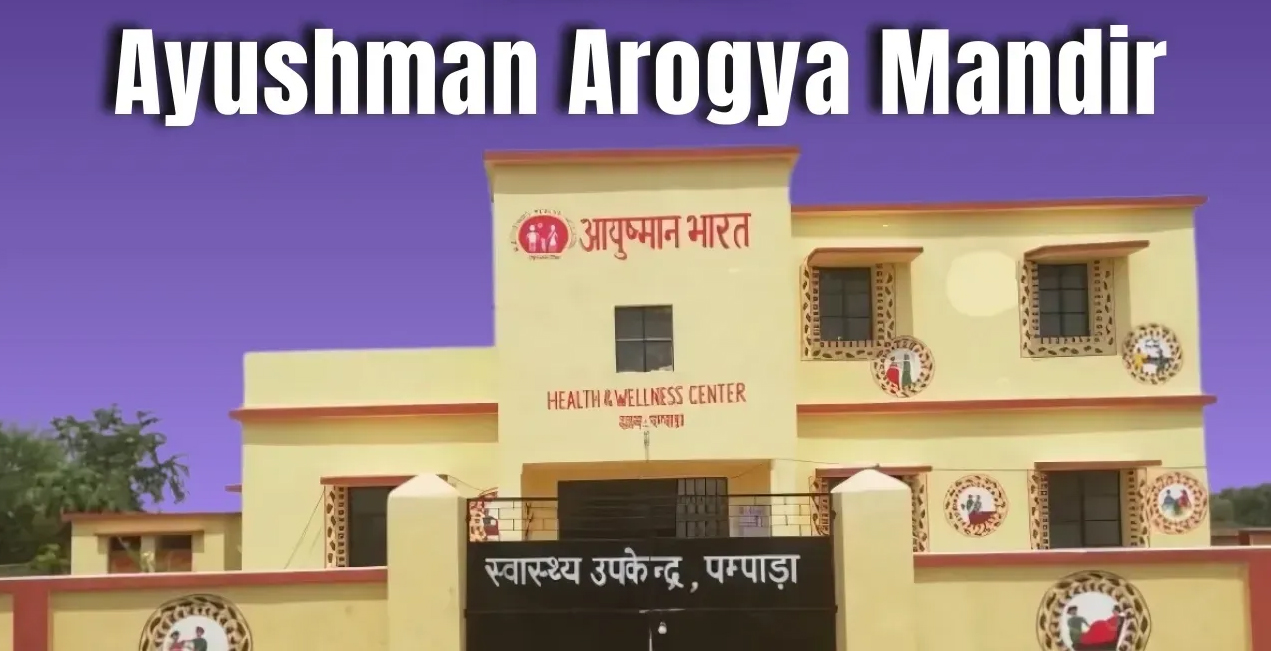
Srinagar, May 8: A study conducted across Kashmir has found that none of the surveyed Ayushman Arogya Mandirs (AAMs) had centralised biomedical waste management facilities, while many subcentres continued to dispose of hazardous medical waste through open dumping and burning, raising serious public health and environmental concerns.
Published in the Journal of Applied Bioanalysis, the study assessed 104 AAMs – including 28 Primary Health Centres (PHCs) and 76 Subcentres (SCs) – across 10 districts of Kashmir between March and December 2021.
Researchers from Sher-e-Kashmir Institute of Medical Sciences and Government Medical College Doda evaluated biomedical waste infrastructure, disposal practices, sanitation facilities and staffing patterns at these healthcare institutions.
According to the study, none of the surveyed facilities had centralised biomedical waste management rooms, considered essential for the safe segregation, storage and handling of hazardous medical waste.
Researchers described the absence of such facilities as a “critical infrastructure gap” across the healthcare network.
The study also documented unsafe biomedical waste disposal practices, particularly at subcentres. Around 31.5 percent of SCs relied on open dumping of biomedical waste, while 26.3 percent used open burning.
Only 13 percent of subcentres transported waste to authorised Common Biomedical Waste Treatment Facilities (CBWTFs), compared to 50 percent of PHCs.
At PHCs, the study found that 25 percent still used open burning and 7.1 percent resorted to open dumping.
Researchers noted that open burning releases toxic pollutants, including dioxins and heavy metals, while open dumping contaminates soil and groundwater.
The study found significant differences between PHCs and subcentres in biomedical waste preparedness.
Needle destroyers were available in 96.5 percent of PHCs compared to 63 percent of SCs, while puncture-proof containers were present in 96.5 percent of PHCs and 63 percent of subcentres.
Sharps pits used for disposal of needles and infectious waste were available in only 32.1 percent of PHCs and 11 percent of SCs.
Researchers warned that inadequate sharps disposal systems increase the risk of needle-stick injuries and transmission of infections such as Hepatitis B, Hepatitis C and HIV/AIDS among healthcare workers and sanitation staff.
Deficiencies were also recorded in sanitation infrastructure. According to the study, electricity supply was available in 96.4 percent of PHCs but only 46.1 percent of subcentres.
Potable water supply existed in 96.4 percent of PHCs compared to 47.4 percent of SCs, while functional drainage systems were present in 89.3 percent of PHCs and 53.9 percent of subcentres.
The study further highlighted staffing shortages. Permanent sweepers responsible for sanitation and waste handling were employed in 75 percent of PHCs but only 15.8 percent of subcentres.
Many SCs depended on part-time sweepers and multitask workers with limited training in biomedical waste management, the researchers said.
Zone-wise analysis showed that facilities in central Kashmir performed better than those in northern and southern districts in the availability of colour-coded bins, needle destroyers, puncture-proof containers and drainage systems.
Southern Kashmir recorded the weakest performance across several indicators, according to the study.
Calling the findings a serious public health concern, the researchers recommended urgent investment in biomedical waste infrastructure, stricter enforcement of the Biomedical Waste Management Rules, 2016, deployment of trained sanitation staff and targeted support for underperforming regions.
They also stressed the need for improved coordination between health and environmental authorities.
 Follow our WhatsApp channel
