

Excelsior Correspondent
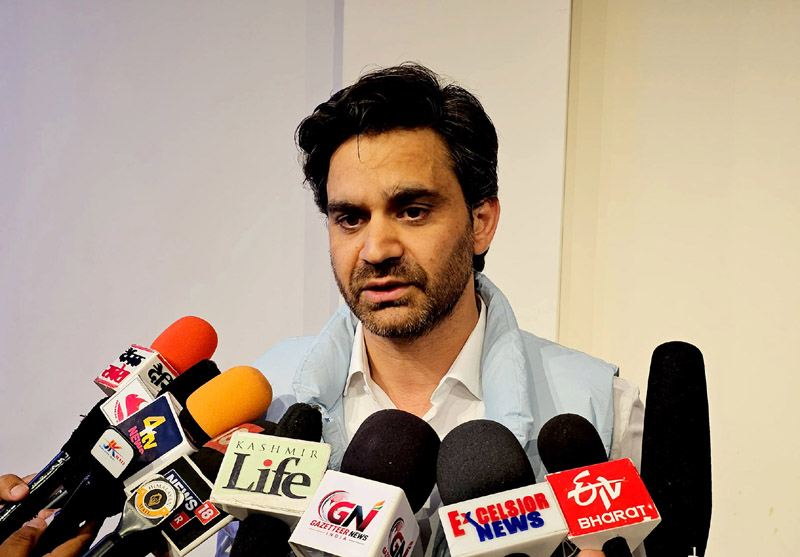
SRINAGAR, May 13: Peoples Democratic Party (PDP) leader and MLA Pulwama, Waheed Ur Rehman Para, today said Jammu and Kashmir should be made a dry state and stressed the need to stop drug supply channels and create more jobs for youth.
Referring to the government’s “Nasha Mukt” campaign, Para, while speaking to reporters here, said, “The Government should go to the root of it and to the source of it. How does the supply channel reach here? These are all victims who are addicted. They should be rehabilitated.”
He said Jammu and Kashmir was facing a serious youth crisis. “Thirty-two percent of the population is youth. There is 32 percent unemployment. Drugs and depression are also prevalent among the youth because there is a lot of hopelessness,” he said.
Para said the Government was not providing enough employment opportunities. “The Government is not offering jobs, employment, or resources. If we want to end the drug epidemic, then we should look at its source and not just its symptoms,” he added.
The PDP leader also criticised the closure of rehabilitation centres in Pulwama and Srinagar. “Now that you have closed the rehab centres, what is the benefit of the campaign?” he asked, demanding stronger rehabilitation programmes for addicts.
Calling for restrictions on alcohol, Para said Jammu and Kashmir should move towards becoming a dry state. “Tourism is good, but that does not mean that we should put our youth in this situation and promote a culture where public drinking is allowed,” he said.
Speaking on the NEET issue and employment, Para alleged that paper leaks and outsourcing of jobs were increasing stress among youth. “The papers were sold out. Even now, 23,000 jobs have been outsourced. This is worse than a NEET scam,” he said.
He accused the government of bypassing proper recruitment procedures. “You are outsourcing jobs without due process and without accountability,” Para said, adding that educated youth were not getting admissions or jobs.
 Follow our WhatsApp channel
