

Dr Varinder Sharma
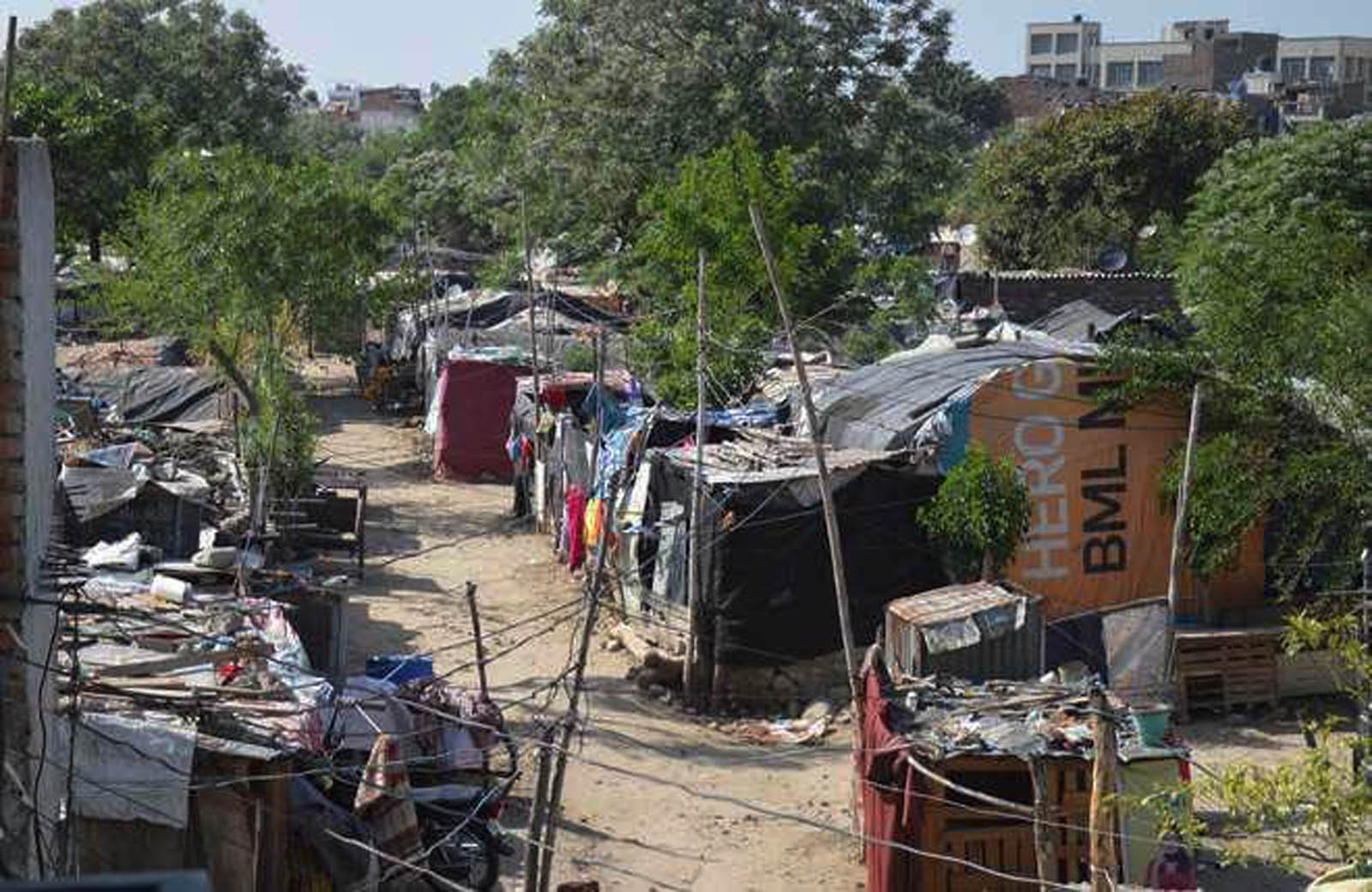
Jammu, the winter capital of Jammu and Kashmir, has recently witnessed an alarming growth in illegal settlements, Jhuggis (makeshift colonies), across various parts of the region. While the issue of Rohingyas has garnered significant attention recently, the broader problem of illegal settlements and their socio-economic and security implications has largely gone unnoticed. These sprawling Jhuggi clusters not only strain Jammu’s already limited resources but also pose a myriad of administrative, legal, and social challenges that demand immediate and coordinated action. This trend, while primarily rooted in socio-economic factors, poses significant challenges to the city’s limited resources, security apparatus, and local livelihoods. The proliferation of these unauthorised settlements has created a multifaceted problem that demands urgent and sustained action from both the administration and society at large.
Illegal settlements have become a visible phenomenon in Jammu, with clusters of Jhuggis emerging across key areas such as Trikuta Nagar, Channi, Narwal, and Panjtirthi. The so-called “Baggadi Market” in Trikuta Nagar, for instance, has not only transformed into a bustling hub but also exacerbated traffic congestion on one of the busiest roads. Similarly, unauthorised colonies near the railway station, such as the Bengali colony, and Jhuggi clusters around Residency Road and Panjthithi below the new parking highlight the unchecked nature of this issue. These settlements, often facilitated by greedy landlords seeking quick profits, have rapidly grown into semi-permanent establishments, putting immense pressure on the region’s infrastructure. Jammu is already grappling with limited resources such as water, electricity, and space. The influx of non-local populations, primarily inhabiting these Jhuggis, has further strained these resources. Illegal electricity and water connections are rampant, raising questions about the complicity or inefficiency of concerned departments like Jal Shakti and the Power Development Corporation. The unregulated nature of these settlements also means that the revenue generated-whether through rent or informal businesses-largely bypasses government coffers, depriving the state of much-needed income.
The social and economic ramifications are equally concerning. Non-locals residing in these Jhuggis often engage in small businesses, such as running rehri (pushcarts) or operating e-rickshaws, creating direct competition for local vendors and service providers. Local vendors and service providers have raised concerns about losing their livelihoods to non-locals, who often operate without adhering to the same regulations. Traditional trades like carpentry, plumbing, and electrical work, once dominated by locals, are increasingly being taken over by these outsiders, rendering ITI-trained local youth jobless. These activities, while seemingly innocuous, have profound implications for Jammu’s socio-economic fabric. With limited resources, the city is ill-equipped to accommodate such an influx. Furthermore, many jhuggi residents operate outside the formal economy, avoiding taxes and contributing little to the region’s revenue. The unregulated influx of non-locals into Jammu has led to tensions between the indigenous population and newcomers. These tensions, if left unaddressed, could escalate, threatening communal harmony and social stability.
One of the most pressing issues arising from these settlements is the lack of police verification and proper documentation for the residents. Without any official record, many of these individuals remain outside the purview of law enforcement, contributing to an exponential rise in unresolved crimes. Reports of involvement in heinous activities such as the narcotics trade further underscore the gravity of the situation. The presence of unauthorised clusters near sensitive areas like army installations and critical infrastructure only adds to the security risks. The case of the Rohingya population in Jammu serves as a cautionary tale. Allegations of identity fraud, illegal acquisition of documents, and connections to extremist activities have placed them under intense scrutiny. However, the larger issue of undocumented non-local populations living in Jhuggis remains largely unaddressed. Landowners have found the establishment of Jhuggi colonies to be a lucrative venture, earning substantial rents without adhering to legal norms. With no formal tenancy agreements or police verification, these settlements operate in a legal grey area. The unregulated influx of residents creates a domino effect, leading to the unchecked growth of these colonies. The lack of oversight not only perpetuates illegality but also emboldens others to follow suit, exacerbating the problem.
Addressing the issue of illegal settlements requires a multi-pronged strategy that balances the enforcement of laws with the humane treatment of displaced populations. All Jhuggis must be removed immediately. Non-local inmates should move as tenants, as ample housing for rent is available in Jammu. With almost all members earning, paying rent is not a big issue for Jhuggi residents. All landlords must be mandated to formalise rental agreements and submit them for police verification. Non-compliance should invite stringent penalties, including the confiscation of properties being misused for illegal settlements. A comprehensive database of non-local populations must be maintained, with periodic verification to ensure transparency. This will aid in both resource planning and crime control. Government departments like the Jammu Municipal Corporation, Jammu Development Authority, and Housing Board should collaborate to dismantle illegal colonies. While thousands of crores are being invested in the Jammu Smart City Project, the existence of these Jhuggi clusters casts a significant shadow over this prestigious initiative. A truly beautiful city can only be realised through balanced and comprehensive development across all fronts. While there is no objection to the inflow of people from outside J&K, it cannot come at the cost of illegal Jhuggis turning into blemishes scattered throughout the city.
Proper rehabilitation plans for displaced individuals, aligned with legal frameworks, should be developed to avoid humanitarian crises. Accurate data on the non-local population is crucial for effective resource allocation. This will enable the government to plan for infrastructure development without overburdening existing systems. The influx of non-locals has created an unfair competitive environment for local workers. Introducing vocational training programs and exclusive job opportunities for local youth can help address this imbalance. Educating landlords, local residents, and non-locals about the importance of adhering to laws and the consequences of illegal activities can foster a sense of accountability.
While the administration bears primary responsibility for addressing this issue, civil society must also play an active role. Local communities should report unauthorised settlements and suspicious activities to the authorities. Additionally, public pressure can compel government departments to act decisively against illegal Jhuggis. The unchecked growth of illegal settlements and Jhuggis in Jammu is a ticking time bomb that threatens the region’s socio-economic stability and security. The lessons learnt from the Rohingya crisis underscore the need for proactive measures to prevent similar situations from escalating. Jammu, a harmonious city, has always welcomed non-locals to partake in its progress. However, this openness cannot come at the expense of local rights, security, and both regional and national interests. By implementing stringent laws, enhancing police verification, and ensuring the proper use of resources, Jammu can address the challenges posed by illegal settlements. Timely and decisive action will not only safeguard the interests of the local population but also pave the way for sustainable development in the region. Jammu’s Jhuggis must go. The time to act is now before the situation spirals further out of control.
(The writer is Co-convenor, Professional Cell, J&K BJP)
 Follow our WhatsApp channel
