

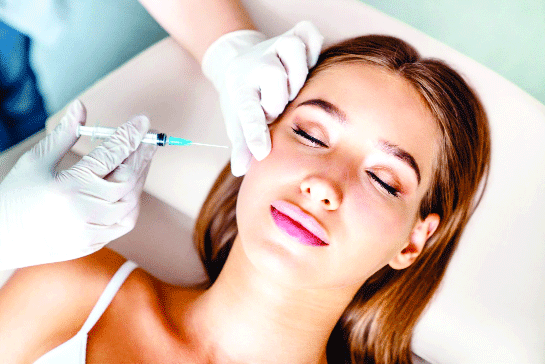
Prejuvenation refers to a preventive approach to skin care. Instead of waiting for visible signs of ageing like wrinkles, pigmentation, or skin laxity, people are now taking steps earlier to maintain skin health and delay these changes.
Traditionally, aesthetic treatments were corrective. People would seek help only after damage became noticeable. Prejuvenation shifts that mindset toward preservation. It focuses on maintaining collagen, protecting the skin barrier, and reducing long-term damage.
Dr. Divya Narang, an aesthetic physician associated with SKINSCI Clinics, Jammu, and works in the field of preventive and clinical skin care shares with Daily Excelsior some more insights for the readers.
Excerpts:
At what age does skin ageing actually begin?
Many people assume ageing starts in their forties, but medically, it begins much earlier.
From around the mid-twenties, the body gradually produces less collagen, which is the protein responsible for firmness and elasticity. At the same time, daily exposure to sunlight, pollution, stress, and lifestyle factors begins to affect the skin at a cellular level.
These changes are not always visible immediately, but they accumulate over time. By the time they appear on the surface, reversing them becomes more complex.
Is this trend relevant to a city like Jammu?
Yes, very much so.
Jammu experiences strong sun exposure, especially during summers. Ultraviolet (UV) radiation is one of the biggest contributors to premature ageing, pigmentation, and uneven skin tone. In addition, increasing urbanisation has led to higher pollution levels, which further affect skin health.
These environmental factors make preventive skin care particularly relevant for people living in this region.
What kind of treatments or routines are included in prejuvenation?
Prejuvenation is not about aggressive or dramatic procedures. It is usually subtle, personalised, and focused on long-term skin quality.
Common approaches include:
* Medical-grade skin care routines to maintain hydration, oil balance, and barrier function
* Daily sun protection, which is the most important preventive step
* Antioxidant-based treatments to combat environmental damage
* Collagen-stimulating therapies that help maintain firmness over time
* Mild laser or light-based treatments for early pigmentation and uneven tone
The emphasis is always on natural looking results and age-appropriate interventions.
Why are younger individuals becoming more aware of such concepts?
There has been a significant shift in awareness over the past decade.
Young people today have access to global information through digital platforms. They are more informed about health, wellness, and preventive care not just for skin, but overall well-being.
Instead of asking, “How do I fix this problem?” they are asking,
“What can I do now to avoid this problem in the future?”
This proactive mindset is the driving force behind the rise of prejuvenation.
Is there a risk of over treatment with this trend?
Yes, and this is an important concern.
While awareness is a positive development, it can sometimes lead to unnecessary or inappropriate treatments, especially when decisions are influenced by social media rather than medical advice.
Not every treatment is suitable for every age. What benefits one individual may not be required or even advisable for another.
A responsible approach involves careful assessment, proper guidance, and avoiding interventions that are not medically indicated.
How important is professional consultation before starting any skin treatment?
It is essential.
Every individual has a unique skin type, lifestyle, and environmental exposure. A generic routine or trend-based approach may not be suitable and can sometimes cause harm.
A qualified aesthetic physician can help:
* Assess skin condition accurately
* Recommend age-appropriate treatments
* Guide on what to avoid
* Create a personalised, long-term plan
Self-diagnosis and random product use are common reasons for skin damage seen in younger patients today.
Is prejuvenation expensive or only for a select group of people?
There is a common misconception that preventive skin care is a luxury.
In reality, it is often more cost-effective than corrective treatments. Maintaining skin health through basic preventive measures like sunscreen, hydration, and early intervention reduces the need for more intensive procedures later.
From a long-term perspective, prevention is both medically and economically more practical.
What are the most important habits for someone in their twenties or thirties?
The foundation of good skin health is simple but consistent:
* Daily use of sunscreen
* Proper cleansing and moisturisation
* Avoiding excessive sun exposure
* Managing stress and sleep
* Staying hydrated
* Following a balanced diet
Medical treatments, if required, should always complement these basics not replace them.
What is the key message for young individuals considering prejuvenation?
The goal is not to change how you look, but to maintain healthy skin over time.
Prejuvenation is about making informed decisions, practising moderation, and staying consistent. It is not about doing more; it is about doing what is appropriate, at the right time.
Early care helps preserve skin quality, confidence, and overall well-being in the long run.
In simple terms, it is easier to maintain healthy skin than to repair damaged skin later.
 Follow our WhatsApp channel
