

Most second cancers detected within 6 yrs
Irfan Tramboo
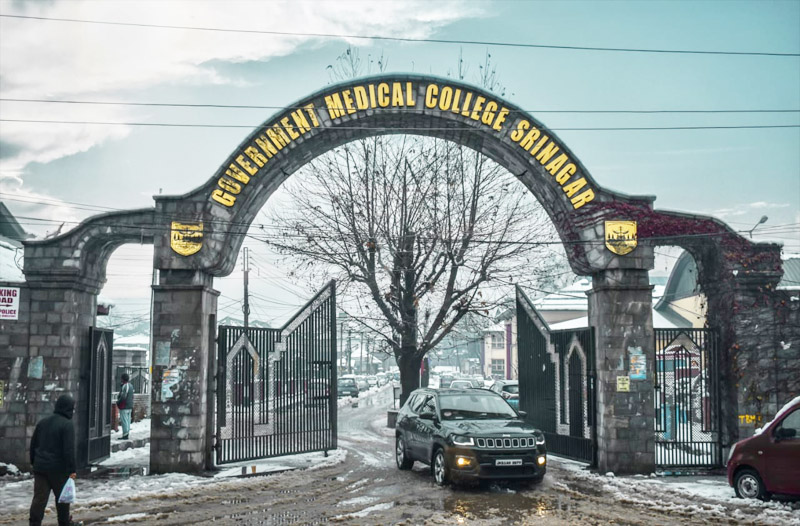
Srinagar, May 15: A five-year study conducted by researchers at Government Medical College Srinagar has found that gastrointestinal cancers account for the majority of dual primary malignancies in Kashmir, highlighting the burden of second cancers among survivors in the region.
The study, published in the 2026 edition of the Journal of Family Medicine and Primary Care, analysed records of 5,731 cancer patients registered at the Department of Radiation Oncology, GMC Srinagar, between January 2020 and December 2024.
Titled “Dual Primary Malignancies in Kashmir: A Five-Year Analysis of Temporal Patterns, Gender-Specific Presentations and Treatment Outcomes in a High Gastrointestinal Cancer Risk Population,” the research identified 35 patients with dual primary malignancies, translating to an incidence rate of 0.611 percent.
Among these cases, 21 patients, 60 percent, had synchronous cancers, in which both malignancies were detected simultaneously or within six months, while 14 patients, 40 percent, developed metachronous cancers after a gap of more than six months.
In metachronous cases, the interval between the first and second cancers ranged from 10 months to 19 years, with an average gap of nearly six years. Researchers noted that most second cancers appeared within six years of the first diagnosis, though some emerged more than a decade later.
The study found that gastrointestinal cancers accounted for 43 percent of all first malignancies, making them the most common primary tumours.
Breast cancer was the second most frequent primary cancer, followed by genitourinary cancers. Gastrointestinal tumours also dominated second malignancies, with several patients developing another cancer within the GI tract itself.
According to the report, 29 of the 35 patients – more than 82 percent – had at least one gastrointestinal tumour.
Researchers linked the trend to Kashmir’s lifestyle and environmental risk factors, including widespread consumption of salt-preserved foods, smoked meat products and tobacco use, all associated with gastrointestinal cancers.
The study further found that men accounted for most dual malignancy cases overall, although women were more likely to present with synchronous cancers.
The median age at diagnosis of the first cancer was 58 years, with the highest incidence reported among patients in their sixth and seventh decades of life.
Researchers also documented a notable association between breast and thyroid cancers.
Four of the seven patients diagnosed with breast cancer later developed thyroid cancer as a second malignancy, raising suspicion of hereditary cancer syndromes such as Cowden syndrome.
Similarly, cases involving colorectal and endometrial cancers pointed towards the possible presence of Lynch syndrome, although researchers said the absence of advanced genetic testing facilities in Kashmir prevented confirmation.
The study noted that all patients underwent treatment, including surgery, chemotherapy, radiotherapy and hormonal therapy, depending on tumour type and stage.
Most patients received curative treatment for both malignancies, particularly where the second cancer was detected early.
Researchers said treatment outcomes largely depended on the stage and aggressiveness of the cancers. Patients diagnosed with early-stage second malignancies generally showed favourable responses, while advanced cancers were associated with poorer outcomes.
The authors stressed the need for lifelong follow-up of cancer survivors, detailed evaluation of new symptoms and timely biopsies for early detection.
They also highlighted the importance of advanced diagnostic techniques such as PET-CT imaging, immunohistochemistry and molecular profiling in distinguishing second primary cancers from metastases, particularly in resource-constrained regions like Kashmir.
Describing the research as the first comprehensive report on dual primary malignancies from Kashmir, the authors said the findings could help doctors identify high-risk cancer combinations and improve surveillance strategies for cancer survivors.
 Follow our WhatsApp channel
