

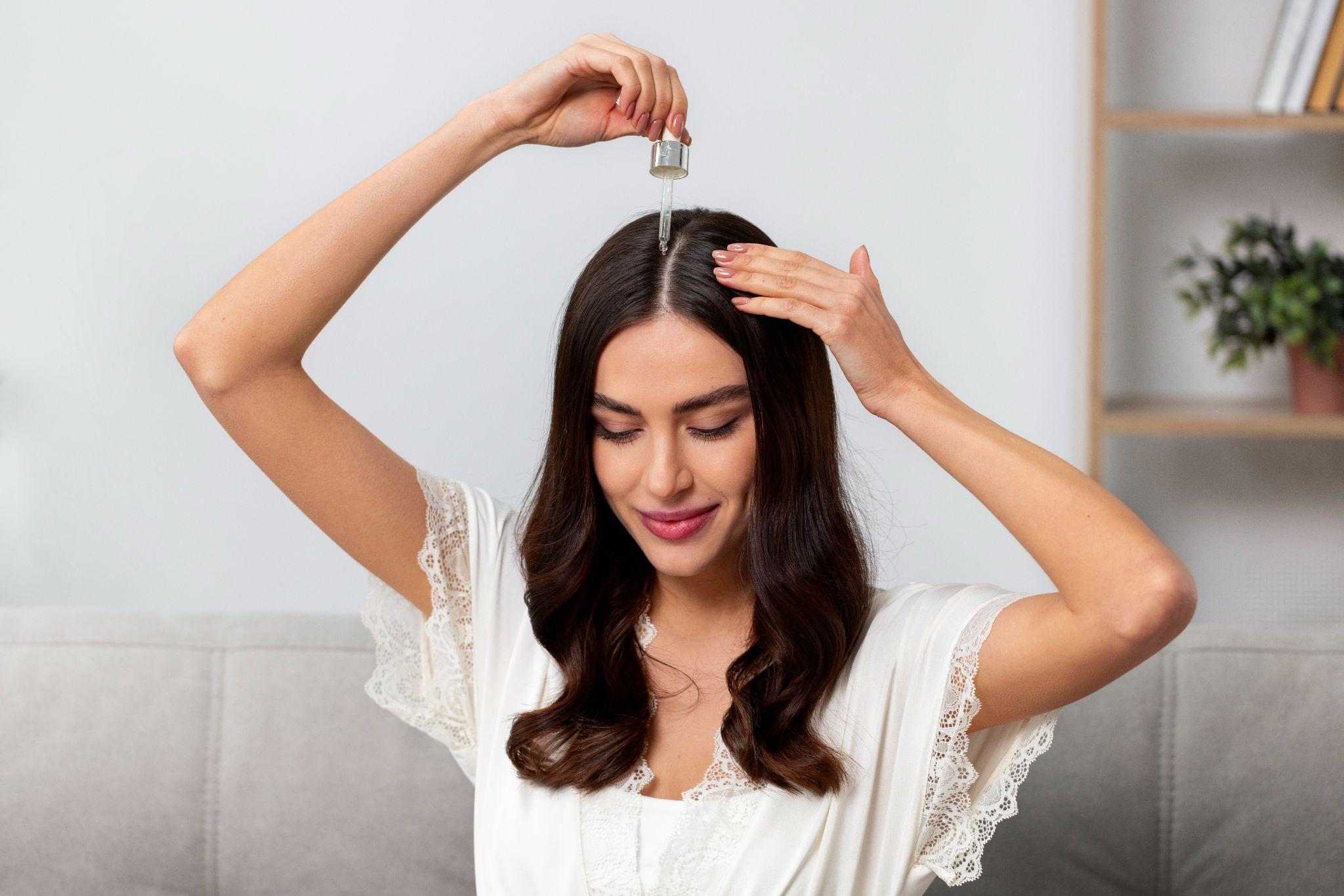
Walk into any pharmacy or scroll through any beauty website, and you’ll find dozens of hair serums promising everything from frizz control to dramatic regrowth. It’s easy to be skeptical. Are these products actually doing something useful, or are they mostly marketing in a bottle? The honest answer is more nuanced than a simple yes or no — and it largely depends on what you’re expecting them to do.
What Hair Serums Are Actually Designed to Do
Hair serums are leave-in treatments, usually silicone-based or oil-based, that coat the outer surface of the hair shaft. Their primary job is surface-level: smoothing the cuticle, reducing frizz, adding shine, and protecting hair from heat or environmental damage.
This is an important distinction. Serums work on the hair you already have. They don’t interact with your scalp biology or your hair follicles in any meaningful way — at least not the cosmetic variety. Think of them the way you’d think of a good moisturizer for dry skin. It makes the surface look and feel better, but it’s not treating the underlying condition.
So when someone asks “do hair serums work,” the real question is: work for what?
The Difference Between Cosmetic Serums and Active Serums
Most serums you find in salons or supermarkets are cosmetic. They’re formulated with ingredients like dimethicone, argan oil, or keratin — all of which are excellent at creating a smooth, manageable finish. These work well for their intended purpose.
Then there’s a separate category: active or therapeutic serums. These are formulated with ingredients that actually interact with the scalp or hair follicle. Common active ingredients include:
- Redensyl or Procapil, which target follicle regeneration
- Peptides that support keratin production
- Minoxidil, which increases blood flow to the follicle
- Plant-based extracts like saw palmetto that may influence DHT levels
The distinction matters because if you’re using a cosmetic serum hoping it’ll slow hair fall or improve density, you’re likely going to be disappointed. And if you’re using an active serum, you need to understand that results take time — usually three to six months of consistent use.
Why Most People Don’t See Results
There are a few common reasons hair serums fail to deliver what people expect.
The first is a product mismatch. Someone experiencing significant hair thinning reaches for a shine serum marketed as “nourishing,” not realizing it doesn’t contain any ingredient that addresses the root of their problem.
The second is inconsistency. Active serums need to be applied regularly, usually daily or as directed, to maintain scalp-level effects. Skipping applications or stopping after a few weeks interrupts whatever progress was being made.
The third — and most overlooked — is treating hair loss as a surface problem when it’s actually systemic. Hair fall related to hormonal imbalance, nutritional deficiency, thyroid issues, or chronic stress won’t respond to topical treatment alone. If you’re genuinely curious about how to increase hair volume and improving hair density long-term, understanding the internal factors driving hair loss is just as important as what you apply externally.
What the Ingredients Tell You
Learning to read a serum label is more useful than trusting claims on the front of the packaging. A few things to look for:
- If the first few ingredients are silicones (anything ending in “-cone”), it’s a cosmetic serum — good for texture, not for growth
- Ingredients like biotin, caffeine, or niacinamide in a serum suggest some scalp-level intent, even if effects are mild
- Clinically tested actives like redensyl or minoxidil are worth taking seriously if hair loss is your concern
Also, concentration matters. An ingredient can be present in a formula at such a low percentage that it has no real effect. This is where branded products with transparent formulation disclosures are more trustworthy than generic ones.
A More Honest Way to Think About Hair Care
Hair serums can be genuinely useful — but only when matched to the right problem. Some treatment approaches like Traya Hair Serum go further by combining topical active ingredients with internal support, which reflects a more complete understanding of what drives hair health.
The bigger shift, though, is in how you think about the problem. Hair that’s thinning, breaking, or falling in larger quantities than usual is usually signaling something happening inside the body — a deficiency, a hormonal shift, chronic stress, or an underlying condition. A serum, however well-formulated, addresses one piece of that picture.
Final Thoughts
Hair serums work — but within specific limits. For everyday hair manageability, shine, and heat protection, a good cosmetic serum does exactly what it promises. For more serious hair concerns like thinning or excessive fall, an active serum can support the process, but only as part of a broader approach that looks at your health from the inside out. The most important step isn’t finding the right product — it’s asking the right question about what your hair is actually trying to tell you.
 Follow our WhatsApp channel
