

Dr Vishal Gupta
vishalm.com85@gmail.com
The modern world has transformed the lifestyle, aspirations, and spending habits of young people. Technology, social media, digital banking, and easy access to credit have created numerous opportunities for financial growth and convenience. However, alongside these opportunities, a dangerous financial problem has emerged among the younger generation – the debt trap. Today, many youths are becoming victims of excessive borrowing, uncontrolled spending, and financial mismanagement. What begins as a small loan or a simple credit purchase often develops into a cycle of debt that becomes difficult to escape. The debt trap is no longer limited to businessmen or large borrowers; it has become a common issue among students, salaried employees, unemployed graduates, and even teenagers.
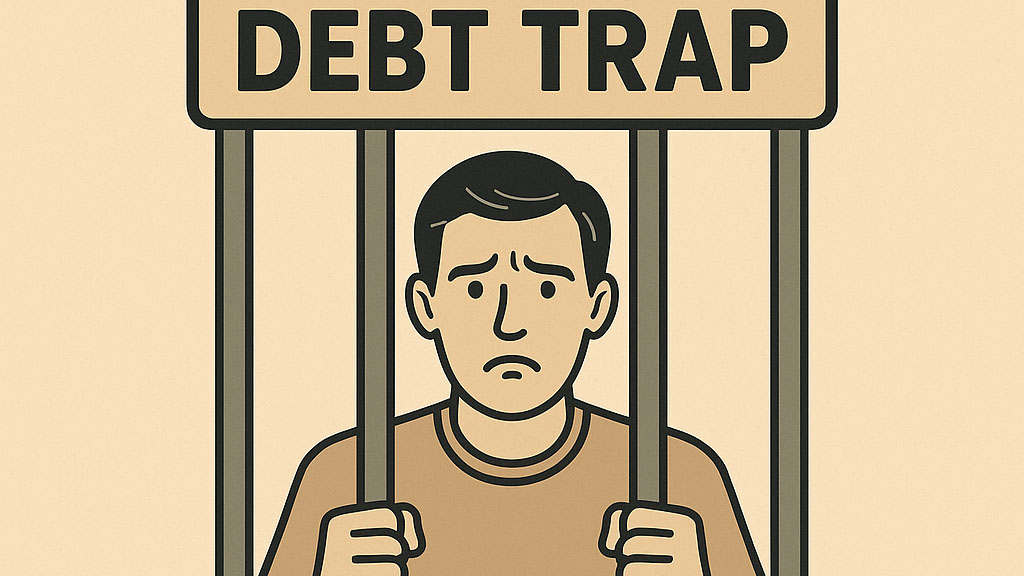
A debt trap refers to a situation in which a person repeatedly borrows money to repay existing debts, eventually losing financial stability. In such a condition, income becomes insufficient to meet loan repayments, forcing individuals to depend on further borrowing. This problem is increasing rapidly among youth due to changing lifestyles, consumer culture, peer pressure, unemployment, and lack of financial literacy. The consequences are severe, affecting not only economic conditions but also mental health, family relationships, and social life.
Changing Lifestyle and Consumer Culture
One of the major reasons behind the rising debt trap among youth is the growing culture of consumerism. Modern society often measures success and social status through material possessions such as expensive smartphones, branded clothes, luxury vehicles, and lavish lifestyles. Young people are constantly exposed to glamorous lifestyles through social media platforms like Instagram, Facebook, and YouTube. Influencers and celebrities display luxury vacations, fashionable outfits, expensive gadgets, and high-end lifestyles that create unrealistic expectations among ordinary youths.
As a result, many young individuals feel pressured to maintain a similar standard of living even when their income does not support such spending. Instead of saving money and living within their financial limits, they rely on credit cards, online loans, and installment payment systems to fulfill their desires. The “buy now, pay later” culture has further encouraged impulsive spending. Many youths purchase unnecessary products without considering future repayment obligations. Initially, these expenses may appear manageable, but gradually multiple loans and monthly installments create a heavy financial burden.
Easy Availability of Credit Facilities
The expansion of banking services and digital finance has made borrowing extremely easy. In earlier times, obtaining a loan required extensive documentation, security, and strict verification procedures. Today, however, digital lending applications and online financial institutions provide instant loans within minutes. Credit cards are distributed aggressively to students and young employees, often without proper assessment of their repayment capacity.
This easy availability of money creates a false sense of financial freedom among youths. Since the borrowed amount is instantly accessible, many fail to realize that loans must eventually be repaid with interest. High-interest rates, hidden charges, late payment penalties, and compounding interest gradually increase the amount owed. Young borrowers often underestimate the seriousness of debt until repayments become overwhelming.
In many cases, youths take one loan to repay another, believing that they will manage somehow in the future. This begins the vicious cycle of debt dependency. What appears to be a temporary financial solution slowly becomes a permanent financial crisis.
Lack of Financial Literacy
Another significant factor contributing to youth debt is the lack of financial education. Most educational institutions focus on academic subjects but provide little practical knowledge about personal finance management. Young people often enter adulthood without understanding budgeting, savings, investments, interest calculations, taxes, or responsible borrowing.
Due to this lack of awareness, many youths misuse credit cards and loans. They may only pay the minimum due amount on their credit cards without realizing that interest continues to accumulate on the remaining balance. Similarly, they may take loans without carefully reading terms and conditions. Poor financial planning and impulsive decision-making eventually push them into financial difficulties.
Financial illiteracy also prevents young individuals from distinguishing between necessary and unnecessary expenses. Many fail to prioritize long-term financial security over short-term pleasures. As a result, spending habits become uncontrolled, and debt levels continue to rise.
Educational Loans and Employment Challenges
Higher education has become increasingly expensive in many countries. Students often take educational loans to pursue professional courses, higher studies, or foreign education. While education loans are intended to support career development, repayment becomes challenging when employment opportunities are limited or salaries are low.
Many graduates enter the job market with substantial debt already hanging over them. If they fail to secure stable employment quickly, financial pressure increases significantly. In some cases, the salary earned is insufficient to manage living expenses along with loan repayments. This situation forces many young people to depend on additional borrowing, creating further financial instability.
The modern employment environment also contributes to the problem. Temporary jobs, freelancing, contractual work, and uncertain career opportunities make income unstable for many youths. Without financial security, managing debts becomes increasingly difficult.
Role of Digital Technology and Online Shopping
Technology has transformed shopping habits completely. Online shopping platforms provide easy access to products with attractive discounts, instant credit options, and EMI facilities. Mobile applications continuously promote sales, flash offers, and advertisements designed to encourage spending.
Digital payment systems have reduced the psychological feeling of spending money because transactions occur virtually rather than physically. As a result, many young people spend impulsively without realizing how much they are actually consuming. Frequent online purchases, subscription services, gaming expenses, and lifestyle spending gradually increase financial liabilities.
Additionally, fraudulent lending apps and illegal digital loan platforms have become a major concern. Some young borrowers fall victim to such applications, which charge extremely high interest rates and use unethical recovery methods. This creates serious financial and emotional trauma.
Preventive Measures and Solutions
Addressing the problem of youth debt requires collective efforts from individuals, families, educational institutions, financial organizations, and governments. Financial literacy should become an essential part of education so that young people learn budgeting, saving, investing, and responsible borrowing from an early age. Awareness about interest rates, credit scores, and loan obligations can help youths make informed financial decisions.
Families also play an important role in developing healthy financial habits. Parents should encourage responsible spending and teach children the importance of savings and financial discipline. Open discussions about money management can prevent unrealistic lifestyle expectations.
Young individuals themselves must adopt disciplined financial behavior. Preparing monthly budgets, distinguishing between needs and wants, limiting unnecessary expenses, and avoiding impulsive purchases can significantly reduce financial stress. Credit cards and loans should only be used when genuinely necessary, and repayments should always be planned carefully.
Governments and financial institutions should regulate digital lending platforms more strictly to protect young consumers from exploitative practices. Employment opportunities and skill development programs can also improve financial stability among youth and reduce dependence on borrowing.
The debt trap among youth is emerging as one of the most serious financial and social challenges of modern society. Rapid consumerism, social media influence, easy access to credit, unemployment, and lack of financial literacy have pushed many young individuals into cycles of borrowing and repayment. Although loans and credit facilities can support education, entrepreneurship, and emergencies, irresponsible borrowing and uncontrolled spending can destroy financial stability and mental peace.
The solution lies in promoting financial awareness, responsible spending habits, and economic discipline among young people. Society must encourage financial responsibility rather than materialistic competition. If youths learn to manage money wisely and prioritize long-term stability over short-term luxury, they can protect themselves from the dangerous consequences of debt traps and build a secure and balanced future.
(The author is Assistant Professor Accounting and Taxation Higher Education Department)
 Follow our WhatsApp channel
