

Lt Gen Narendra Kotwal (R ), Dr Sumedha Kotwal
narendrakotwal@gmail.com
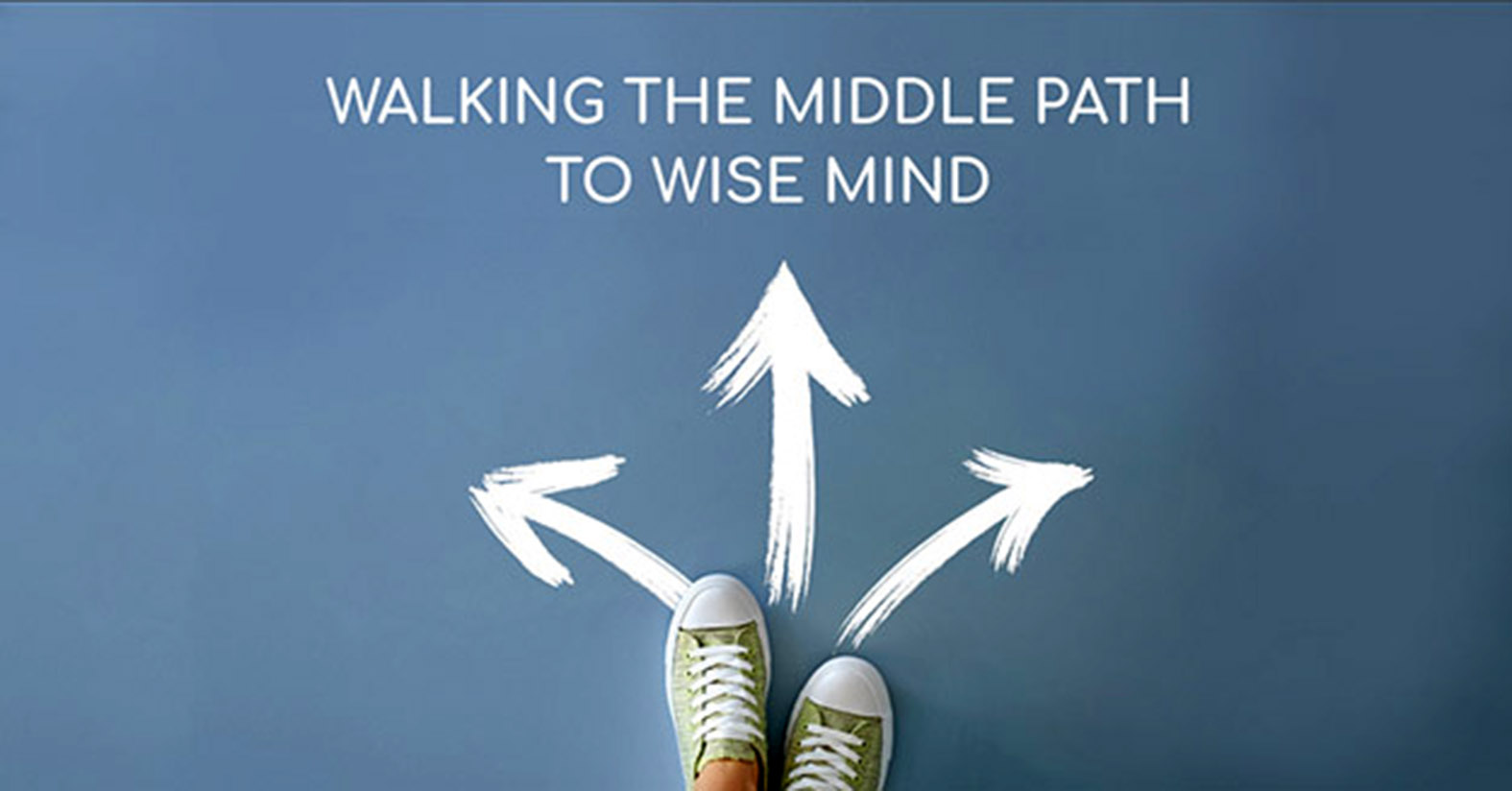
The principle of the Middle Path is perhaps the most elegant, universal, and enduring law that governs life-whether we examine it through the lens of biology, endocrinology, philosophy, Vedic wisdom, or modern systems science. At its core, it is a simple yet profound truth: life flourishes not at the extremes, but in the space of dynamic balance between them. This is not a call for mediocrity or compromise, but rather an invitation to conscious calibration-a refined state of being where one learns to harmonize opposing forces into a meaningful, sustainable whole.
Nature itself is the greatest teacher of this principle. Every living system operates within finely tuned limits. The human body, for instance, maintains its pH within a narrow range of 7.35 to 7.45; even slight deviations toward acidosis or alkalosis can disrupt cellular function and threaten survival. Similarly, glucose homeostasis represents a delicate equilibrium-hypoglycemia deprives cells of energy, while hyperglycemia damages tissues over time. The autonomic nervous system continuously balances sympathetic activation (fight or flight) with parasympathetic restoration (rest and digest), and circadian rhythms orchestrate the oscillation between wakefulness and sleep. These are not static states but dynamic adjustments, minute by minute, reflecting what can be termed as “homeodynamic balance.” Nature does not reward extremes-it penalizes them. Thus, balance is not merely desirable; it is essential for survival.
From an endocrine perspective, the Middle Path is deeply embedded in hormonal physiology. Cortisol, the stress hormone, exemplifies this beautifully: too much leads to chronic stress, metabolic disturbances, and immune suppression; too little results in fatigue, hypotension, and inability to cope with stress. Thyroid hormones must remain within optimal limits-excess accelerates metabolism to a destructive pace, while deficiency slows life processes to a near standstill. Insulin, central to metabolic health, becomes pathological both in resistance and in deficiency. These examples highlight an emerging and powerful concept in modern biology-hormesis-where small, controlled stressors such as exercise, intermittent fasting, or thermal exposure enhance resilience and adaptability, whereas excessive stress overwhelms and damages the system. The body thrives not in constant comfort nor in relentless challenge, but in a calibrated interplay of both.
This scientific understanding finds a striking resonance in ancient wisdom traditions. The Bhagavad Gita articulates this principle with remarkable clarity. In Chapter 6, it states that yoga is not for one who eats too much or too little, sleeps too much or too little, but for one who is moderate in all aspects of life. This concept of “Yukta Ahara Vihara”-regulated living-captures the essence of balanced existence. Similarly, Gautama Buddha propounded the Middle Way, rejecting both extreme indulgence and severe asceticism as paths to enlightenment. In Western philosophy, Aristotle described virtue as the golden mean between excess and deficiency. Across cultures and epochs, there emerges a convergence of thought: balance is not only practical wisdom but also the pathway to higher consciousness.
Psychologically, the Middle Path offers a profound framework for emotional regulation and mental well-being. Modern neuroscience has demonstrated that constant pursuit of pleasure leads to dopamine desensitization, creating a cycle of craving, addiction, and eventual dissatisfaction. On the other hand, chronic deprivation or suppression of desires leads to stress, anxiety, and burnout. The optimal state lies in what may be termed “dynamic equanimity”-the ability to experience joy without attachment and endure sorrow without resistance. This is not emotional numbness but emotional mastery. It is the capacity to remain cantered amidst the inevitable fluctuations of life, much like a pendulum that swings but always returns to its equilibrium.
Extending this concept to broader life domains reveals its universal applicability. In the tension between materialism and spirituality, the Middle Path does not demand renunciation of the world nor blind indulgence in it; rather, it encourages purposeful engagement-living in the world with awareness, responsibility, and detachment. Between rigidity and flexibility, it advocates adaptive discipline-holding principles firmly yet allowing space for change and growth. In the balance between work and rest, it promotes rhythmic productivity, recognizing that sustained performance requires cycles of effort and recovery. Even in consumption, it suggests conscious sufficiency-not excess that burdens nor deprivation that starves, but a mindful approach that nourishes.
To conceptualize this in contemporary terms, one may propose an integrative framework-the “Homeodynamic Middle Path Model.” This model envisions life as a continuously adjusting system across four interconnected dimensions: the biological (metabolic flexibility and physical health), the psychological (emotional regulation and cognitive clarity), the social (meaningful relationships and community engagement), and the spiritual (a sense of purpose and connection beyond the self). Balance in this context is not a fixed point but an ongoing process of alignment, recalibration, and adaptation. It is akin to walking on a tightrope-not by standing still, but by making constant micro-adjustments.
Interestingly, even modern physics and systems theory echo this principle. In complex systems, optimal functioning often occurs at the “edge of chaos”-a state where order and randomness coexist, allowing for both stability and innovation. Too much order leads to rigidity and stagnation; too much chaos results in disorder and collapse. Life, therefore, thrives in this intermediate zone where structure meets flexibility, discipline meets creativity, and predictability meets possibility. This “edge of optimality” can be seen as a scientific parallel to the philosophical Middle Path.
Translating this wisdom into daily living requires conscious practice. One may adopt a simple yet powerful framework-the “5M Balance Protocol.” The first is Mind-cultivating awareness through meditation and reflection, without slipping into over analysis. The second is Metabolism-nourishing the body with balanced nutrition, avoiding extremes of indulgence or restrictive dieting. The third is Movement-engaging in regular physical activity that challenges the body without exhausting it. The fourth is Meaning-pursuing work and activities that align with one’s values and purpose, rather than chasing external validation alone. The fifth is Moderation-practicing restraint and mindfulness in all forms of consumption, whether it be food, information, or sensory pleasures.
A simple yet powerful metaphor captures the essence of this philosophy: a violin string. If it is stretched too tight, it snaps; if it is too loose, it produces no sound. Only at the right tension does it create music. Similarly, life’s beauty and harmony emerge not from extremes but from the balanced interplay between them. This applies equally to our thoughts, emotions, actions, and aspirations.
Ultimately, the Middle Path is not merely a strategy for better living; it is a deeper realization about the nature of existence itself. It reflects the endocrine rhythm of the body, the neurological harmony of the brain, and the spiritual stillness of the soul. It teaches us that true strength lies not in domination but in balance, not in excess but in sufficiency, not in rigidity but in adaptability. It invites us to live fully yet not excessively, to feel deeply yet not destructively, and to act intensely yet not obsessively.
In a world increasingly driven by extremes-of opinion, consumption, ambition, and emotion-the Middle Path offers a timeless and transformative alternative. It is both ancient and modern, simple yet profound, scientific and spiritual. By embracing it, we align ourselves with the fundamental rhythms of life, fostering health, happiness, and a deeper sense of meaning. In the silent centre between opposing forces lies not emptiness, but a vibrant space of equilibrium-where clarity emerges, resilience is built, and consciousness expands. That centre is not a place we find, but a state we cultivate. And in cultivating it, we do not just live-we truly thrive.
 Follow our WhatsApp channel
