

More than three years have passed since Jammu and Kashmir embarked on framing a comprehensive Electric Vehicle Policy. Multiple committees have deliberated, recommendations have been submitted, and yet the Union Territory remains without a finalised framework. This is not merely administrative inefficiency – it is an environmental emergency unfolding in slow motion. The consequences of this prolonged paralysis are already visible. J&K’s most celebrated landscapes – the Dal Lake, Gulmarg, Pahalgam and Sonamarg – are ecologically fragile zones where vehicular emissions pose a direct and measurable threat to glaciers, forests and biodiversity. Every passing season without clean transport alternatives means thousands of conventional, polluting vehicles continuing to operate unchecked in these sensitive corridors. Carbon deposits from exhaust fumes accelerate glacial retreat, degrade air quality and contaminate water bodies that sustain entire communities downstream. The damage accumulates quietly but relentlessly.
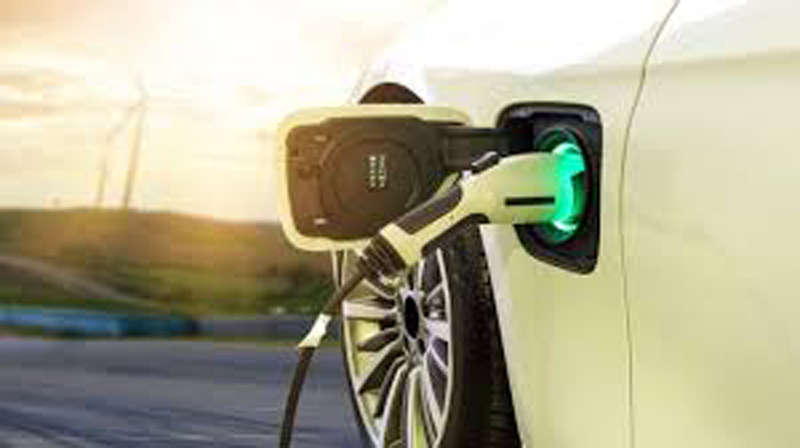
The irony is particularly sharp given that J&K already possesses working models of successful electric mobility. Battery-operated vehicles have served the Vaishno Devi track for years, proving beyond doubt that EVs are viable even in challenging terrain. E-rickshaws and e-buses have gained public acceptance. Yet, without a guiding policy, charging infrastructure remains sparse, deterring both local EV owners and the growing number of tourists arriving with electric vehicles. The absence of a reliable charging network effectively penalises environmentally conscious choices. The tourism dimension compounds the urgency. Nearly one crore pilgrims visit Vaishno Devi annually; Kashmir has witnessed record tourist footfalls in recent years. This seasonal surge places extraordinary pressure on road transport in ecologically sensitive areas. Without mandated green alternatives, the environmental cost of each tourist season grows heavier.
The path forward demands urgency, not more deliberation. The Government must immediately appoint a single nodal agency with clear accountability and a time-bound mandate to notify the EV Policy. Simultaneously, charging stations should be fast-tracked at railway stations, airports, bus terminals, major hotels and tourist hubs, supported by viability gap funding to attract private investment. Skill development programmes for EV repair and maintenance must be launched without delay to address the critical shortage of trained manpower, particularly for highway breakdowns in remote areas. Jammu and Kashmir’s ecology cannot afford the luxury of bureaucratic timelines. Clean air, preserved glaciers and sustainable tourism are not aspirational goals – they are existential requirements. Every week of delay adds up to enormous carbon emissions. The time for deliberation has long passed; it’s time for decisive action.
 Follow our WhatsApp channel
