

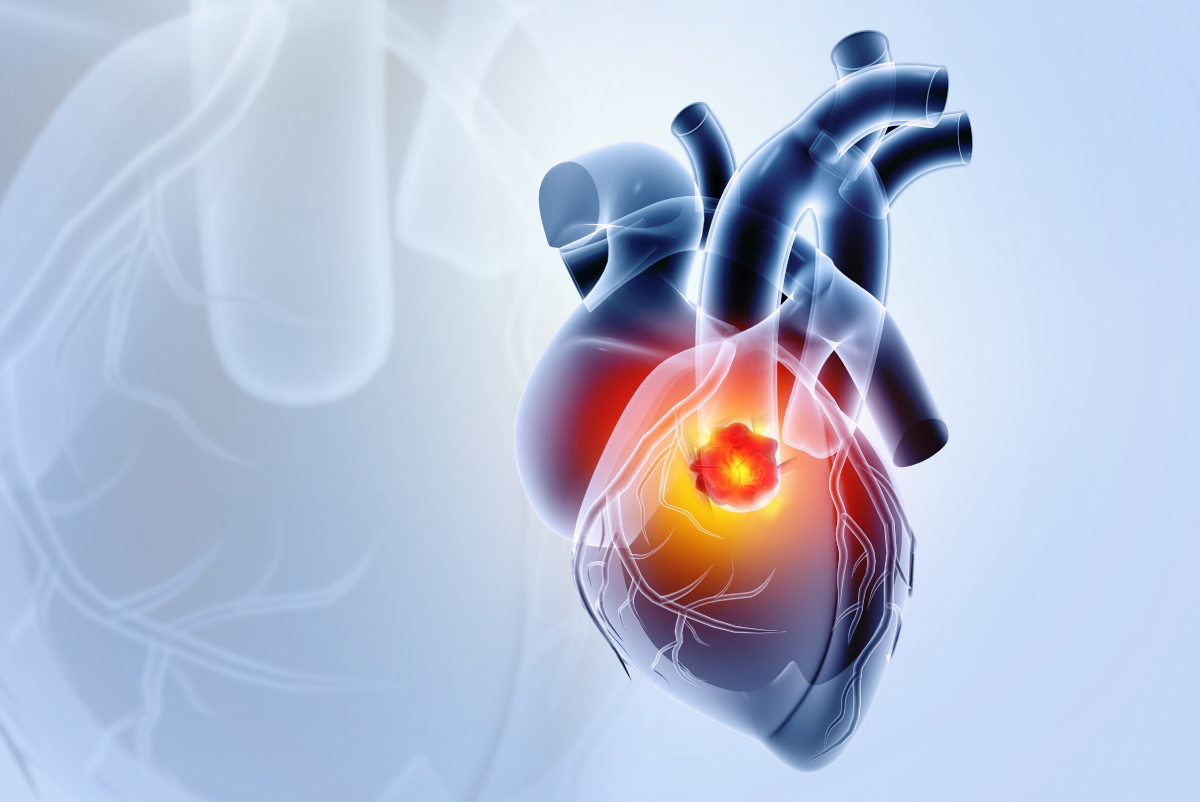
New Delhi, Apr 24: The mechanical load from the constant beating of the heart could be helping in consistently suppressing the growth of cancer cells, according to a new study, which offers an explanation as to why cancer of the blood-pumping organ is rare.
Cellular pathways in tissues of the heart alter gene regulation in cancer cells to keep them from proliferating, researchers said.
Findings published in the journal Science shed light on how mechanical forces could be important in protecting the heart from cancer and may pave the way to new cancer therapies based on mechanical stimulation.
Researchers, including those from the International Centre for Genetic Engineering and Biotechnology in Italy, said cancer rarely forms in or metastasises to the heart, suggesting “there is something” in the cardiac microenvironment that inhibits cancer growth.
They proposed an explanation, pointing to the intense mechanical demands placed on heart tissues, which must continuously pump blood against significant resistance — the persistent strain could suppress the heart cells’ ability to proliferate.
The pressures may also inhibit cancer cells in the heart from proliferation, the team said and added that however, the mechanisms underlying the resistance remain unclear.
For the study, the authors developed a transplantation model in which the heart’s mechanical workload could be reduced.
They grafted a donor heart into the neck of a compatible mouse to create a “mechanically unloaded” organ, one that remained perfused with blood but did not bear a physiological strain.
The team injected human cancer cells directly into the heart muscle and compared tumour behaviour in the unloaded transplanted heart with that in the animal’s native, mechanically active heart. (Agencies)
 Follow our WhatsApp channel
