

Hidden areas seen as key to future tourism expansion
*Step to help in correcting long-standing imbalance
Mohinder Verma
JAMMU, Apr 21: For decades, the story of Jammu and Kashmir’s tourism has revolved around a handful of celebrated destinations like Gulmarg’s snow-laden slopes, Pahalgam’s valleys and Srinagar’s iconic Dal Lake. But a new focus is emerging-one that seeks to unlock the potential of lesser-known destinations tucked away in the region’s remote and pristine landscapes.
Follow the Daily Excelsior channel on WhatsApp
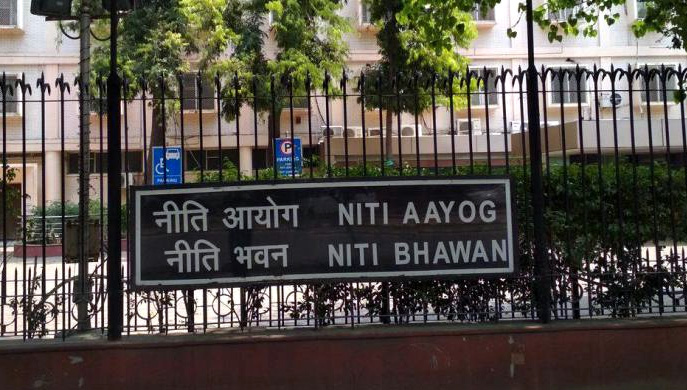
With the release of “Divya Bharat”–an anthology prepared by the National Institution for Transforming India (NITI) Aayog a remarkable shift has begun. The publication brings to the forefront a carefully curated collection of lesser-known destinations/attractions across the Union Territory, the places where nature remains pristine, history breathes through ancient stones and life flows at an unhurried pace.
These hidden gems, scattered across districts, offer not just scenic beauty but a deeply immersive experience of Jammu and Kashmir’s cultural and ecological richness. The unveiling of these destinations is more than just a promotional exercise and it marks a strategic pivot in how tourism is envisioned in Jammu and Kashmir. By shifting focus from overcrowded hotspots to lesser-known regions, NITI Aayog is advocating a model rooted in sustainability, inclusivity and local empowerment.
As far as Jammu region is concerned, the anthology depicts Noori Chamb Waterfall cascading dramatically along the Mughal Road in Poonch district as lesser known attraction despite the fact that waterfall is associated with Mughal empress Nur Jahan, adding a layer of historical romance to its natural grandeur.
In Ramban, the picturesque hill destination of Sanasar offers a refreshing blend of adventure and tranquility. Known for its twin lakes, paragliding opportunities and scenic trails leading to the ancient Shankh Pal temple, Sanasar, as per the anthology, can easily be emerged as major alternative to the crowded hill stations.
In the twin valleys of Rajouri—Darhal Valley and Budhal Valley the nature unfolds in dramatic fashion. From cascading waterfalls and pristine lakes to traditional wooden architecture and thriving local crafts, the region holds immense potential as an eco-tourism hub. The nearby town of Kotranka, with its serene riverside setting along the Ans River, further enhances the district’s appeal. However, these have remained lesser known attractions till date.
Another hidden treasure is Ramnagar in Udhampur district–a town steeped in history, once serving as a princely capital. With its palaces, rivers and tranquil surroundings, Ramnagar offers a glimpse into the region’s regal past. However, this has also remained lesser-known attraction as per the anthology.
In South Kashmir’s Anantnag district, the serene hamlet of Chatpal is a sanctuary of calm, enveloped by dense deodar forests and sprawling meadows painted with wildflowers. Far from the noise of commercial tourism, Chatpal offers a rare silence broken only by rustling leaves and chirping birds.
Not far away, Daksum presents a picture-perfect valley where pine-covered slopes meet the gentle murmur of the Bringhi River, making it ideal for camping and offbeat travel. Adding to the region’s charm is Sangam Meadow, where two tributaries of the Jhelum merge, creating a tranquil riverside landscape.
In Budgam, the vast expanse of Tosa Maidan tells a story of transformation. Once used as an artillery firing range, this sweeping alpine meadow has now evolved into a peaceful retreat. Its shimmering grasslands can provide solitude to trekkers, campers and nature enthusiasts.
Further north in Ganderbal, the ruins of the Naranag Temple Complex stand as silent witnesses to an 8th-century past. Set along the Wangath River and framed by thick Himalayan greenery, the site seamlessly blends history with breathtaking natural beauty. Nearby, Sherpathri reflects the region’s cultural vibrancy, known for its willow wicker craftsmanship and proximity to the ecologically significant Shallabugh wetland, a haven for migratory birds.
The remote Karnah Valley in Kupwara district offers a different kind of allure. With its dense forests, ancient forts and traditional villages, Karnah remains largely insulated from mass tourism, preserving a way of life that has endured for generations.
In Pulwama, the ancient Ladhoo Temple stands out as an architectural curiosity. Its unique design transitioning from a square base to a circular dome combined with its placement within a natural spring, makes it a site of both archaeological and spiritual significance.
Meanwhile, Baramulla’s Watlab presents a harmonious blend of spirituality and scenery. Perched above the majestic Wular Lake, the village is dotted with apple orchards and anchored by a revered Sufi shrine, offering visitors both visual and spiritual solace.
If developed thoughtfully, these destinations could not only ease the burden on existing tourist circuits but also generate livelihoods in remote areas, preserve fragile ecosystems and offer travelers a more authentic and meaningful experience.
As the world looks toward new travel frontiers, Jammu and Kashmir’s hidden landscapes are finally ready to take center stage.
 Follow our WhatsApp channel
