

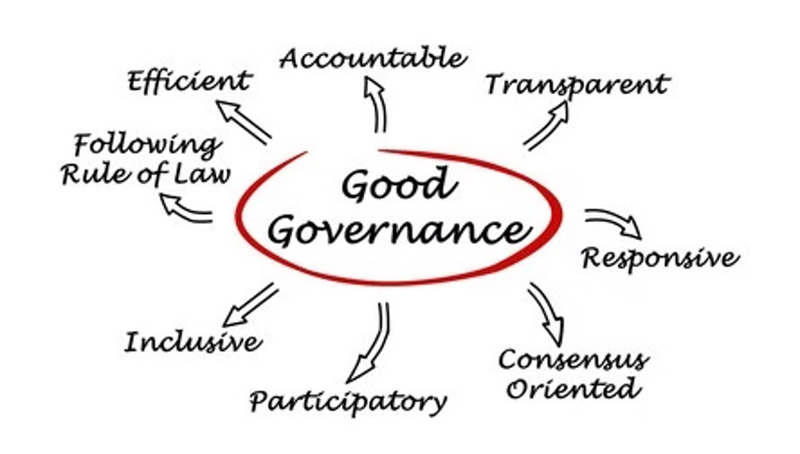
The decision by the Jammu and Kashmir Government to allocate four districts to each of the five Ministers is a step towards ensuring better governance and effective implementation of developmental programs. This move is not just a logistical distribution of responsibilities; it is a strategic shift aimed at fostering closer coordination, enhanced public service delivery, and overall district-level development. Under this arrangement, the Ministers are tasked with overseeing a broad spectrum of administrative functions in their respective districts, ensuring that issues related to public welfare, infrastructure, health, education, and the environment are addressed in a more streamlined and organised manner. By assigning districts, the Government hopes to create a more localised approach to governance, allowing each Minister to monitor progress and identify areas that require attention closely. This structure can lead to faster decision-making, as Ministers can focus their efforts more effectively on a limited set of regions for precise, public-centric results.
The rationale behind this decision is clear. Jammu and Kashmir, with its unique geographical and political landscape, faces challenges that require detailed attention at the district level. A one-size-fits-all approach to governance often fails to take into account the specific needs of diverse regions. By assigning Ministers to smaller, more manageable units, the Government hopes to ensure that district-level issues are handled with greater precision and urgency. Moreover, this system encourages greater accountability. With a set number of districts under the charge of each Minister, it becomes easier to track the progress of developmental schemes and identify areas of concern. Additionally, this approach fosters collaboration among the Ministers, who will be able to share insights and resources, thereby promoting a more unified and effective governance structure. The superficial regional divide has also been taken care of as each Minister has been allocated districts of Jammu as well as Kashmir. Consistent monitoring is the key. If executed properly, this model could serve as a blueprint for more efficient and responsive governance in Jammu and Kashmir, leading to lasting positive change for its people.
 Follow our WhatsApp channel
