

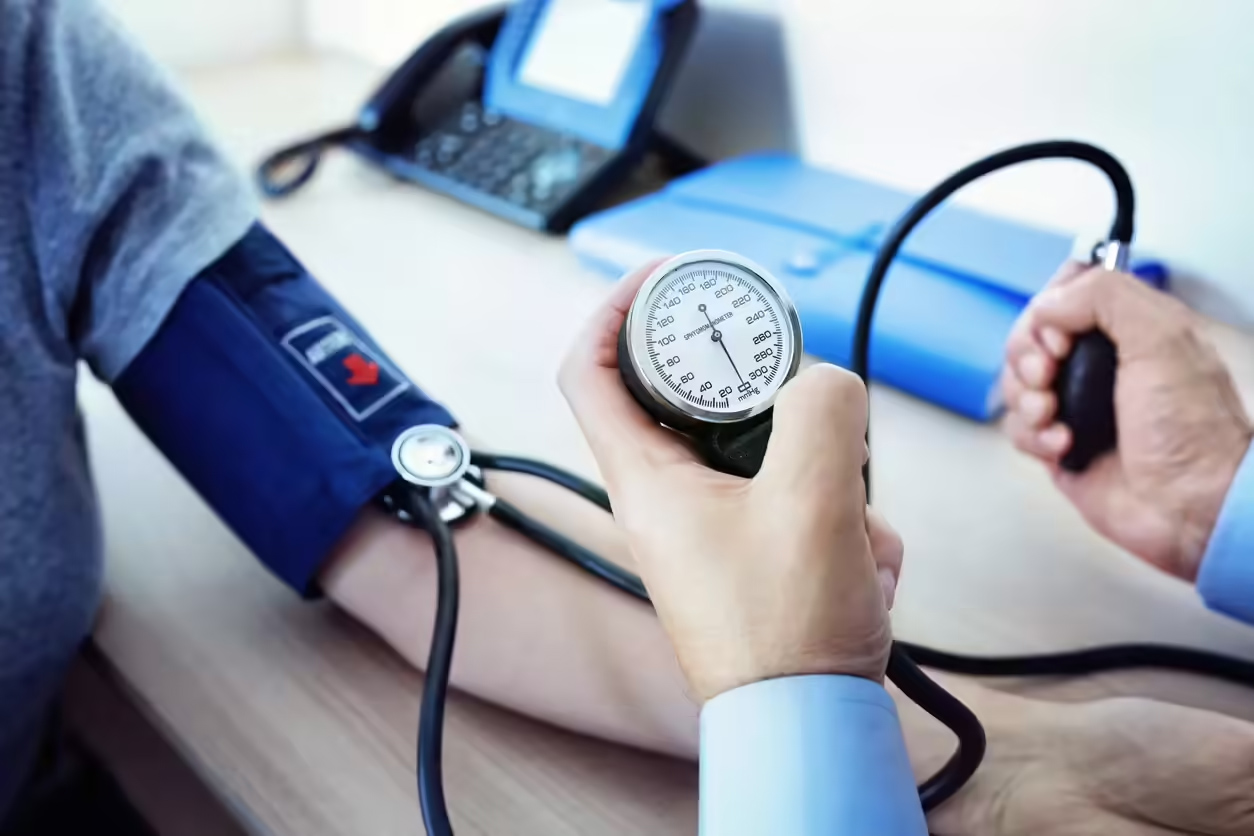
NEW DELHI, May 17: India is facing a major public health crisis, with nearly 220 million people estimated to be suffering from hypertension, while only 10 to 12 per cent can keep their blood pressure under control, a leading cardiologist has warned.
World Hypertension Day is observed every year on May 17, and forms part of Hypertension Awareness Month.
Dr Tarun Kumar, a professor and cardiologist at the Medanta- The Medicity Heart Centre in Gurugram, said that more than half of those living with the condition are unaware they have it.
Dr Tarun Kumar said an estimated 220 million Indians suffer from hypertension, often described as a “silent killer” because symptoms frequently go unnoticed until serious complications develop.
“India can be called the hypertension capital of the world,” Kumar said, adding that more than half of people with hypertension remain unaware of their condition.
He said the problem extends beyond diagnosis, as many patients discontinue treatment after being prescribed medication.
“Among those who start treatment, nearly 50 per cent stop taking medicines, while almost half of those continuing therapy still fail to achieve adequate blood pressure control,” he said.
The result is that only a small fraction of patients are able to maintain blood pressure within recommended levels, increasing the risk of heart attacks, strokes, kidney failure, and other cardiovascular diseases.
According to current medical guidelines, normal blood pressure is below 120/80 mmHg, while readings of 130/80 mmHg or higher are classified as hypertension and require medical attention.
Dr Kumar said lifestyle changes alongside medication were critical in preventing and managing the condition. He recommended the DASH (Dietary Approaches to Stop Hypertension) diet, which includes fruits, vegetables, whole grains, low-fat dairy products, fish, poultry, beans, nuts, and seeds.
He also advised reducing sodium intake to below 2,300 milligrams per day, with greater benefits seen when intake falls to around 1,500 milligrams, while avoiding foods high in saturated fats and added sugars.
“Regular blood pressure monitoring, adherence to prescribed medication, and healthy eating habits are crucial to reducing the growing burden of hypertension in India,” Kumar said. (UNI)
 Follow our WhatsApp channel
