

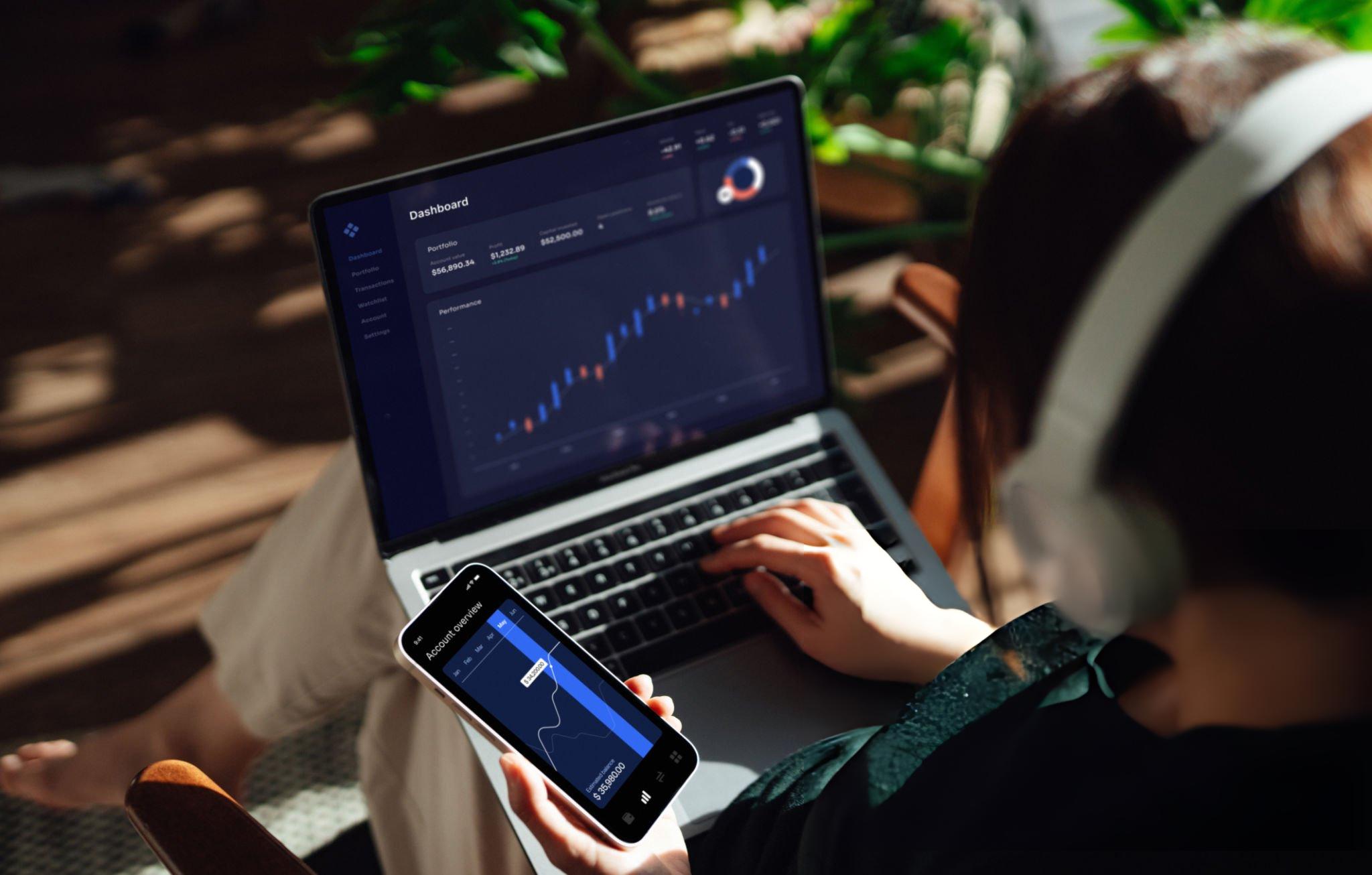
What if the key to building wealth isn’t how much you make, but how little you lose? Picture this: you turn a $10,000 account into $50,000 in just a few weeks, but then you make a bad choice, and it all goes away.
Big profits get the most attention on social media, but careful risk management is the real hero. It protects your money during times of high volatility and lets you make steady, long-term gains.
This article explains why survival must come before growth. We will talk about common psychological traps, give you practical risk controls, and give you tools you can use to protect your portfolio from huge losses.
The Psychology of Trading: Why Profits Blind Us
When the market is moving on your side, it is extremely easy to think that you cannot lose. This instinctive psychological reaction causes traders to be overconfident, which causes them to violate their own rules and riskily expand their positions.
Conversely, traders can resort to revenge trading when they have suffered losses in a short period. They attempt to recover their money immediately and make risky, unreasonable setups.
Both situations show how dangerous it is to think about making money quickly. It is a marathon. The numbers about day traders are scary and show how important it is to be very careful.
The Securities and Exchange Commission (SEC) says that most active retail traders lose a lot of money over time because they don’t manage their risks well. Profits are just the results of a process that was done well.
Risk management is the most important thing that determines how long you can stay in the markets. Copytraders particularly rely on proven risk management tactics to sustain profitability.
Core Principles of Risk Management
Traders need to follow strict mathematical rules rather than their gut feelings to stay in the financial markets. Strict position sizing is the most important thing for the market to stay alive.
You should never risk more than 1% to 2% of your portfolio on a single trade setup. A simple formula:
Risk Amount = Account Balance × 0.01, keeps your exposure low.
Next, you need to use automated exits, which are also called stop-loss orders. A stop-loss is like a seatbelt in a car crash: it won’t stop the crash from happening, but it will save your financial life by cutting losses early.
Keeping a good risk-reward ratio is just as important. You should try to get a baseline ratio of 1:2 or better, which means you risk $1 to possibly make $2.
This math edge makes sure you make money even if you only win 40% of the time. Last but not least, you need to diversify your investments. If you spread your money across different types of assets, a single point of failure won’t wipe out your whole account.
Real-World Applications Across Markets
Different financial markets have their own problems, so you need to use different strategies to deal with each one. For example, traders in the forex market have to deal with sudden changes in currency pairs caused by changes in the economy as a whole.
To stay alive, you need to know how these global forces work. This is a lot like keeping up with the latest news in the world of business. When you take part in gold trading online, modern platforms let you set exact risk controls. Trading gold moves with risk controls minimizes exposure during unpredictable swings.
You can use guaranteed leveraged stops to deal with the big price swings that happen when there are sudden geopolitical events. This is because you need to be very disciplined when managing your downside during commodity volatility.
The cryptocurrency industry needs to follow risk rules even more strictly. Think about the big drops in the value of cryptocurrencies in the past few years.
Traders who stuck to strict capital limits made it through the crash and kept their money safe. People who broke the rules and held on to hope lost everything in a few days.
These markets change quickly. It’s important to keep up with changing technology and market trends, but the main goal is still to protect your capital.
Tools and Strategies for Everyday Traders
Today, every day, retail traders can use powerful, free, and easy-to-use technology to make sure their rules are followed. A lot of standard broker platforms now come with built-in calculators that automatically figure out the size of your position.
You can keep track of your statistical performance with dedicated digital journaling apps like Edgewonk. They also help you keep track of how you feel while you write.
For consistency, it’s important to follow a step-by-step plan:
- Before you open the platform, figure out how much risk you can take on each trade.
- Before you make the entry, set strict stop-loss and take-profit goals.
- Look over all of your trades once a week to find emotional mistakes that keep happening.
Always do a correlation analysis on your portfolio as an advanced tip. Buying two assets that are very similar does not spread out your account; it just doubles your risk.
Checking for asset overlaps is an important daily habit. It is like looking at international economic policies to get a bigger picture of the world.
Common Mistakes and How to Avoid Them
Even people who have been in the market for a long time make mistakes that could have been avoided. Overleveraging is the most common cause of margin calls that cause huge losses.
The Financial Conduct Authority (FCA) says that too much leverage made most retail account blowups worse. Another big mistake is to ignore portfolio drawdowns. The math behind getting over a big loss is harsh.
| Account Drawdown | Required Gain to Break Even |
| 10% Loss | 11.1% Gain |
| 20% Loss | 25.0% Gain |
| 50% Loss | 100.0% Gain |
If you don’t have a strict trading plan, you’ll fail in the long run. You should treat your trading plan like a strict business policy.
Conclusion
In the end, proactive risk management is what makes the difference between treating the markets like a job and treating them like gambling. Today, look over your last ten trades to see if you really are putting capital preservation first.
If you want to put these safety rules into action, trying out a live account on a safe platform can help you do it safely. The best win in trading is always being able to trade again the next day.
 Follow our WhatsApp channel
