

Dr Punit Singla
The liver is one of the most hardworking organs in the human body. It silently performs more than 500 vital functions-removing toxins from the blood, helping in digestion, storing nutrients, and supporting the immune system. Yet, despite doing so much for our body, liver health often goes unnoticed until serious damage occurs.
Stages of Liver Damage
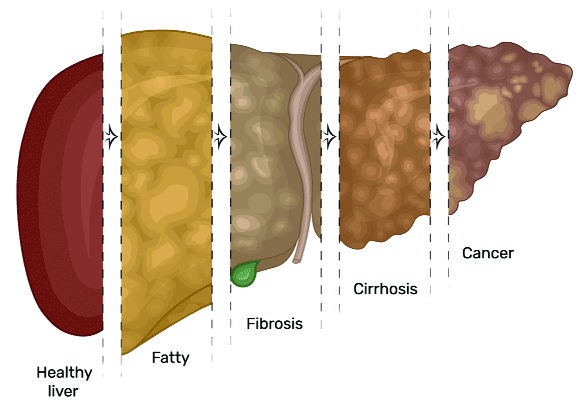
 Liver disease usually develops gradually. It may begin with fatty liver, a condition commonly linked to unhealthy diet, obesity, diabetes, or excessive alcohol consumption. If ignored, this stage can progress to liver fibrosis, where scar tissue begins to form inside the liver. Over time, severe scarring can lead to cirrhosis, a serious condition where the liver loses its ability to function properly.
Early symptoms of liver disease are often subtle and easy to ignore. People may experience fatigue, nausea, loss of appetite, mild abdominal discomfort, or weakness. As the disease advances, warning signs such as yellowing of the eyes and skin (jaundice), swelling in the abdomen, easy bruising, and unexplained weight loss may appear.
When the liver becomes severely damaged and can no longer perform its vital functions, a liver transplant may become the only life-saving option. In this procedure, the diseased liver is replaced with a healthy liver from a donor. With modern surgical techniques and advanced post-transplant care, liver transplantation today offers many patients a new chance at a healthy and active life.
However, the encouraging news is that many liver diseases are preventable.
Healthy Diet for a Healthy Liver
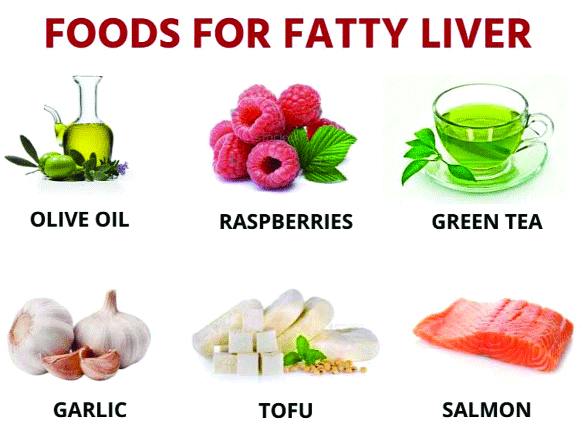
Maintaining a healthy lifestyle plays a major role in protecting the liver. A liver-friendly diet that includes fresh herbs, citrus fruits, garlic, avocado, olive oil, and beetroot can help support liver function. At the same time, limiting alcohol, processed foods, excessive sugar, fried items, and canned foods can significantly reduce the risk of liver damage.
Regular health check-ups, maintaining a healthy weight, staying physically active, and getting vaccinated against hepatitis are simple but powerful steps toward safeguarding liver health.
The liver has a remarkable ability to heal itself when damage is detected early. But when the disease reaches its final stages, liver transplantation can provide a life-saving second chance.
Taking care of the liver is not just about preventing illness-it is about protecting the silent guardian that keeps the body functioning every single day.
(The author is Program Clinical Director – Liver Transplant & HPB Surgery)
 Follow our WhatsApp channel
