

Have you ever heard a medical term and thought, what does that actually mean in normal life?
If so, you are not alone. “Stem cell graft disease” sounds heavy, but the basic idea can be explained in a simple, human way.
In medical language, people are usually talking about graft-versus-host disease, often shortened to GVHD. It can happen after a person receives stem cells from a donor in an allogeneic stem cell transplant.
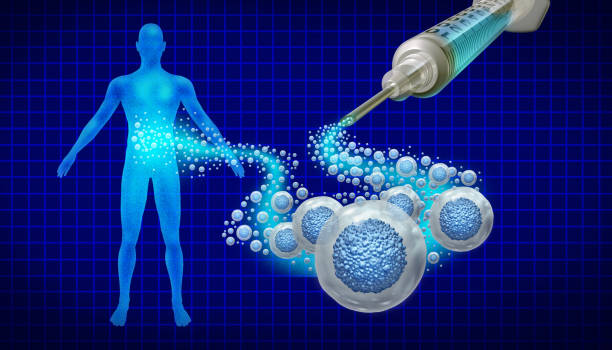
In plain English, the donated cells are meant to help build a new blood-forming and immune system, but sometimes those new immune cells react to the patient’s body as if it is unfamiliar. That reaction is what doctors call GVHD.
The Simple Meaning Behind The Name
The term can feel confusing at first, so it helps to break the words apart.
- Graft = the donated stem cells
- Host = the person receiving those cells
- Disease = the health condition created by that immune reaction
So when people say Stem Cell Graft Disease, they are usually referring to the same idea as graft-versus-host disease after a donor stem cell transplant. The National Cancer Institute defines it as a condition in which donated stem cells or bone marrow see the patient’s healthy tissues as foreign and react against them.
A Very Easy Way To Picture It
Think of it like moving into a new house with a brand-new security system.
The new system is there to help and protect. But for a little while, it may not fully recognize everything inside the house. It may treat some normal things as if they do not belong there yet.
That is close to what happens here. The donor’s new immune cells are active and useful, but sometimes they need time and medical support to settle in and recognize the body correctly.
When It Can Happen
Doctors usually describe GVHD in two broad types:
- Acute GVHD
This usually starts in the first few months after transplant. Some sources describe it as often appearing within about the first 100 days. - Chronic GVHD
This starts later, after that early period. It can appear months later and sometimes even later than that.
Why It Happens After A Donor Stem Cell Transplant
This part sounds technical, but the idea is actually pretty simple.
A donor stem cell transplant gives the patient new blood-forming stem cells. Those cells also help create new immune cells. Since those immune cells came from someone else, they may respond to the patient’s tissues in a way that doctors monitor closely.
This is why GVHD is connected mainly with allogeneic transplants, which means the stem cells come from a donor.
Why Donor Matching Matters
Care teams put a lot of effort into donor matching because the closer the match, the smoother this process can be.
They look at special markers in the blood and immune system to help the donated cells fit as well as possible. This matching step is one of the reasons transplant medicine is so carefully planned.
Why The Term Can Sound Different Online
You may notice different phrases online, and that can make things more confusing than they need to be.
For example, some patient-facing pages, including Liv Hospital, use wording like “graft disease” or “graft-versus-host disease” in stem cell care content. The medically standard name, though, is still graft-versus-host disease, or GVHD.
What Doctors Mean In Everyday Conversation
Once you know the basic idea, the term becomes much less intimidating.
When a doctor brings up GVHD, they are usually talking about how the new donor immune system is settling into the body after transplant.
It is part of the bigger picture of transplant follow-up, and it is something transplant teams know a lot about watching, preventing, and treating. Research has also continued to improve prevention approaches in recent years.
The Short Version In Plain English
Here is the easiest way to say it:
Stem Cell Graft Disease means that after a person gets donor stem cells, the new immune cells may react to the person’s body because they read it as unfamiliar.
That is the whole idea.
A Few Important Things To Remember
- It is linked to donor stem cell transplants, not the kind where a person receives their own cells back.
- The standard medical term is graft-versus-host disease (GVHD).
- Doctors often group it into acute and chronic forms based on timing and clinical features.
- Transplant teams plan ahead for this with matching, monitoring, and prevention strategies.
Final Thoughts
At first glance, “stem cell graft disease” sounds like one of those phrases that only make sense to medical experts. But in simple terms, it means the new donor immune cells are reacting to the body after a stem cell transplant. Once you break the phrase into small parts, it becomes much easier to understand. And that simple understanding can make medical conversations feel a lot clearer and calmer.
Disclaimer : The content of this article is for informational purposes only and is not a substitute for professional medical advice, diagnosis, or treatment. Always consult a qualified healthcare provider with any health questions or concerns.
 Follow our WhatsApp channel
