

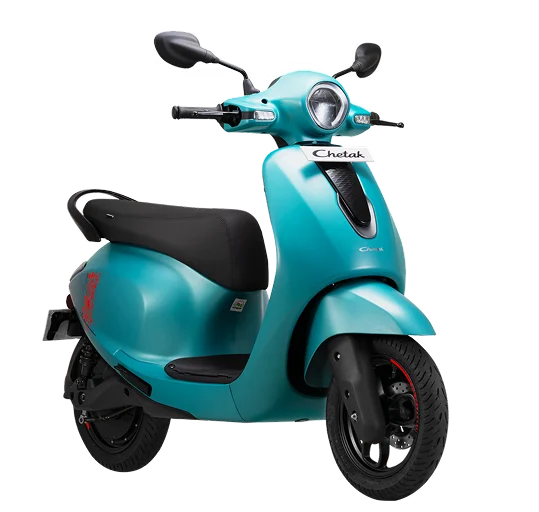
Electric vehicles (EVs) are steadily gaining attention in India as more riders explore efficient ways to manage daily travel. As this segment continues to expand, a wider range of electric scooters is becoming available, each offering a distinct mix of features, performance, and practicality. This variety naturally leads to noticeable differences in pricing, prompting buyers to look beyond just the surface specifications.
The price of EV scooters is influenced by several underlying factors that shape how each model performs and fits into everyday use. From battery capacity to feature integration, these elements play a key role in defining overall value.
Let’s understand what drives these pricing differences and how they relate to your commuting needs.
7 Factors that Influence EV Scooter Prices in India
Here’s a closer look at the core elements that influence pricing across electric scooter models.
- Battery Capacity and its Role in Pricing
Battery capacity is a key factor that directly impacts the price of EV scooters, as higher-capacity batteries require more advanced materials and engineering. The size of the battery, measured in kilowatt-hours (kWh), determines how much energy it can store for daily use.
For example, the Bajaj Chetak C2501 (2.5 kWh) is designed for regular commuting, while the Bajaj Chetak 3001 (3.0 kWh) offers a step up in capacity. The Bajaj Chetak 3501 (3.5 kWh) features a larger battery, reflecting how increased capacity contributes to higher pricing.
- Driving Range and its Impact on Value
Driving range plays an important role in determining the price of EV scooters, as it reflects how far a scooter can travel on a single charge. A higher range supports more flexibility in daily commuting patterns.
For example:
- Bajaj Chetak C2501 offers a range of 113 km and is priced at approximately ₹89,500 (ex-showroom, Bengaluru).
- Bajaj Chetak 3001 offers a range of 127 km and is priced at approximately ₹1,02,606 (ex-showroom, Bengaluru).
- Bajaj Chetak 3501 offers the longest range of 153 km and is priced at around ₹1,39,305 (ex-showroom, Bengaluru).
- Motor Performance and Top Speed
Motor performance affects how a scooter handles different riding conditions, and top speed is a key indicator of this capability. This factor influences the price of EV scooters by determining performance levels.
For instance, the Bajaj Chetak C2501 offers a top speed of 60 km/h, suitable for city travel. The Bajaj Chetak 3501 delivers a higher top speed of 80 km/h, reflecting enhanced performance and contributing to its pricing.
- Smart Features and Connectivity
Smart features enhance the riding experience and contribute to the price of EV scooters, as they involve integrated technology and connectivity. These features improve convenience and control during daily use.
For example, the Bajaj Chetak 3001 includes Bluetooth connectivity, allowing riders to access ride insights and vehicle information. The Bajaj Chetak 3501 offers usability with Google Maps-based navigation, a TecPac feature that provides easier, more confident route guidance while riding.
- Safety and Convenience Features
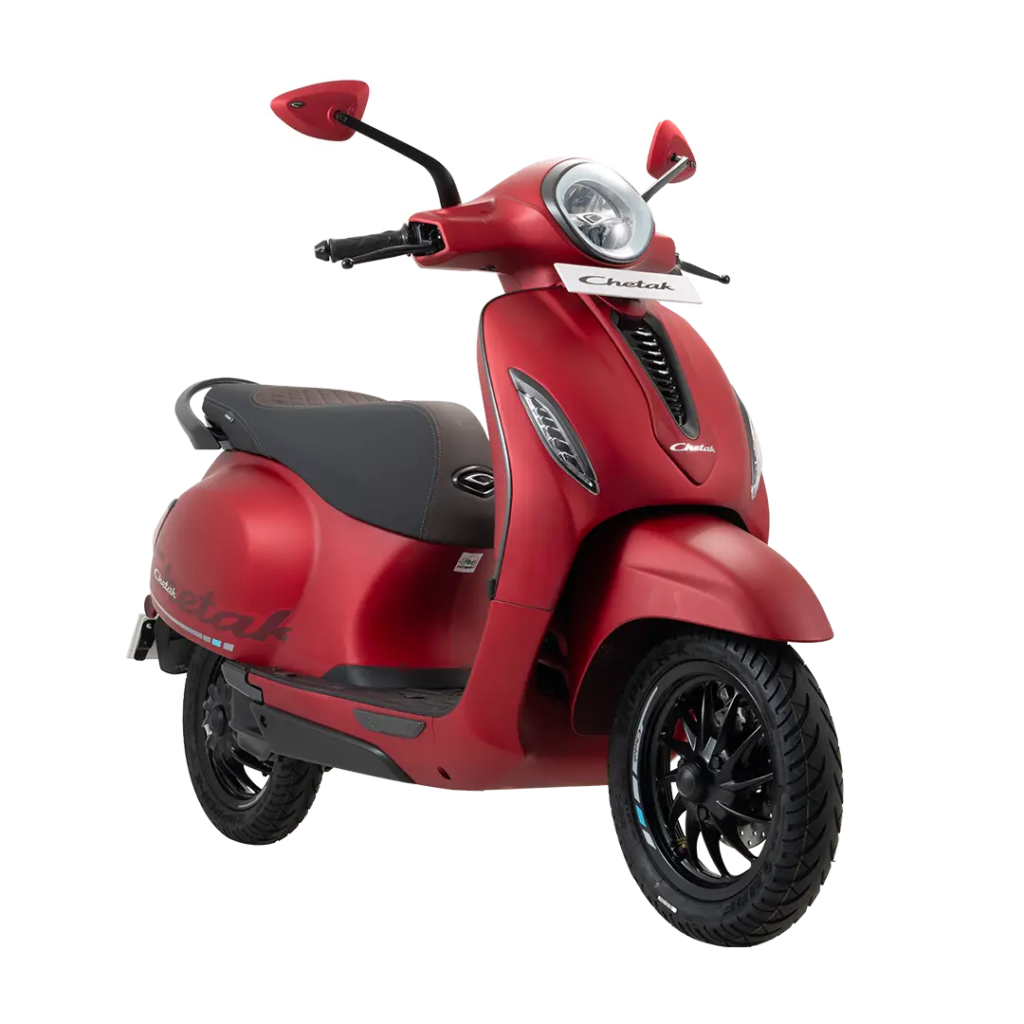
Safety and convenience features enhance everyday usability and influence EV scooter prices by adding functional value. These features support a smoother and more confident riding experience.
For instance, the Bajaj Chetak 3001 includes hill hold assist for better control on slopes. The Bajaj Chetak 3501 adds keyless access, anti-theft alerts, and overspeed warnings, enhancing overall usability and contributing to pricing differences.
- Variant Positioning Across Segments
Electric scooters are positioned across different segments, which affects the price of EV scooters based on features and performance levels. Each segment is designed to meet specific rider expectations.
For example, the Bajaj Chetak C2501 is positioned as an entry-level model focused on practicality. The Bajaj Chetak 3001 offers a mid-range balance of features and performance, while the Bajaj Chetak 3501 is positioned as a premium model with advanced capabilities.
- Government Incentives and Policy Support
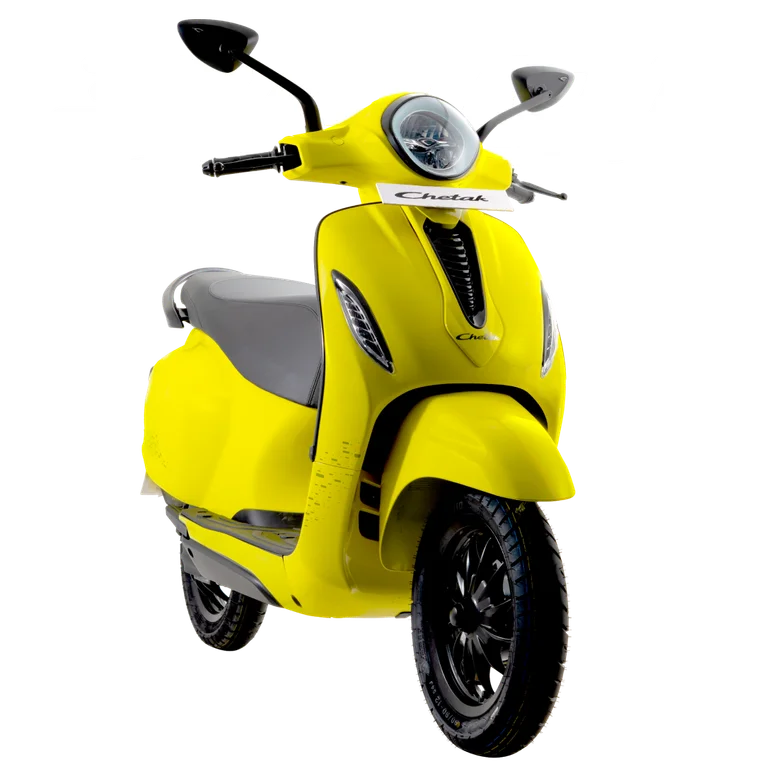
Government initiatives influence the price of EV scooters by reducing the effective cost for buyers. These incentives are designed to support the adoption of electric mobility.
The Faster Adoption and Manufacturing of Electric Vehicles (FAME-III) scheme provides benefits linked to battery capacity. State-level incentives such as tax exemptions and registration waivers further improve accessibility.
These combined benefits make electric scooters more attractive to buyers by lowering upfront costs and supporting long-term affordability across different segments.
Choose an EV Scooter that Matches Your Daily Needs
Understanding the price of EV scooters helps you focus on the features that support your daily commuting requirements and overall riding comfort. By carefully evaluating factors such as battery capacity, driving range, motor performance, and convenience features, you can identify a scooter that aligns well with your everyday travel needs. This approach allows you to compare options more effectively and select a model that offers practical usability over time.
Legacy brands like Bajaj Auto continue to offer electric scooters that combine dependable engineering with thoughtfully designed features for everyday use. With the right balance of performance, usability, and technology, you can choose an electric scooter that fits seamlessly into your routine while delivering consistent value and a comfortable riding experience.
 Follow our WhatsApp channel
