

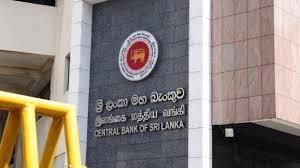
COLOMBO, May 26: Sri Lanka’s central bank on Tuesday announced an increase in the policy rate by 100 basis points, bringing it to 8.75 per cent, saying the decision was made after “carefully considering the evolving conditions and outlook on the domestic and global fronts.”
The increase in the policy rate has been the first in three years. Last time, it was raised in March 2023 from 14.5 per cent to 15.5 per cent.
“The Monetary Policy Board, at its meeting held on Monday, decided to increase the Overnight Policy Rate (OPR) by 100 bps to 8.75 per cent. The Board arrived at this decision after carefully considering the evolving conditions and outlook on the domestic and global fronts,” the bank said in a statement.
Following this adjustment, the Standing Deposit Facility Rate (SDFR) and the Standing Lending Facility Rate (SLFR)- which are linked to the OPR with predetermined margins of ± (plus-minus) 50 basis points – have been increased to 8.25 per cent and 9.25 per cent, respectively.
The decision comes after a careful evaluation of evolving domestic and global macroeconomic conditions.
The uncertainties arising from heightened tensions in West Asia have kept global commodity prices, particularly petroleum, high, adversely affecting both the global and domestic economies.
High global oil prices have necessitated sharp upward adjustments to domestic energy prices, largely contributing to the 5.4 per cent (year-over-year) inflation in April 2026, the Central Bank said.
“The inflation is likely to remain above the target of 5 per cent in the period ahead, before easing and stabilising around it”.
The bank said the external pressures on the economy stemming from the West Asia conflict have amplified in recent weeks due to speculative activity.
Following the robust performance recorded in 2025, the surplus in the external current account remained modest in the first quarter of 2026.
“This was mainly due to the widening trade deficit, particularly driven by increased expenditure on fuel imports and a slowdown in tourism earnings”.
“However, workers’ remittances have remained resilient in 2026. Gross Official Reserves stood at USD 6.8 bn by the end of April 2026”.
The Sri Lankan rupee experienced notable depreciation pressures in recent weeks, although conditions have since eased to some extent.
The rupee by May 22 from the beginning of the year had depreciated by 7.2 per cent, the Central Bank said earlier this week. (PTI)
 Follow our WhatsApp channel
