

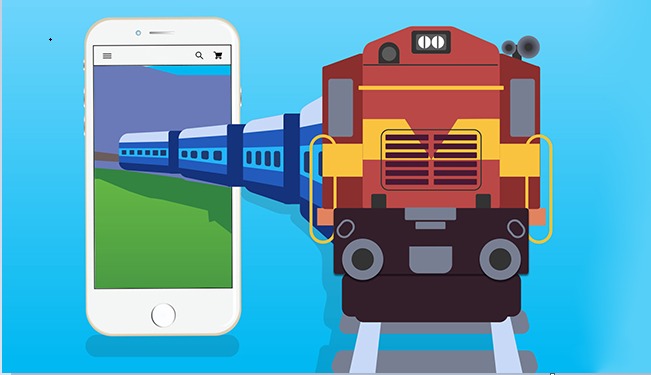
Planning train travel in India often begins with IRCTC ticket booking, but many users quickly realize that the process can sometimes feel slower than expected, especially during peak hours. From logging in to selecting seats and making payments, each step can take longer when the platform is under heavy load. This becomes even more frustrating when tickets are limited and time is critical, like during Tatkal bookings or festival seasons when demand spikes sharply.
According to data shared by the Indian Railway Catering and Tourism Corporation, the platform handles millions of ticket bookings daily, with peak-hour traffic crossing over 25,000 ticket bookings per minute during Tatkal windows. This immense load often affects speed and responsiveness, making users look for alternatives that can simplify and accelerate the booking experience without compromising reliability.
Understanding Why Speed Matters in Train Booking
Booking a train ticket is not just about securing a seat; it is often about timing, especially when routes are busy or availability is limited. Even a delay of a few seconds can mean losing a confirmed ticket and ending up on a waiting list. This is where speed becomes a real advantage rather than just a convenience.
Many travelers have experienced situations where the IRCTC app lags during login or payment processing, particularly when traffic surges. While the system is robust, the sheer number of users accessing it at the same time naturally affects performance. This is exactly where platforms like Goibibo step in, offering a smoother and quicker interface built to handle such user expectations more efficiently.
Simplified User Interface That Saves Time
One of the first things users notice when switching to Goibibo is how straightforward the interface feels. Instead of navigating through multiple layers, users can quickly search, compare, and proceed with booking in fewer steps.
The layout is designed in a way that reduces confusion, especially for those who are not frequent users of train booking apps. Important details like seat availability, fare options, and travel duration are clearly displayed without overwhelming the user. This clarity reduces the time spent figuring out the process and helps users move faster from search to booking confirmation.
Faster Login and Booking Flow
A common issue with traditional platforms is the login process, which can sometimes slow things down when OTP delays or session timeouts occur. On Goibibo, the login flow is optimized to reduce friction, allowing users to get started quickly.
Once logged in, the booking flow itself feels quicker because it minimizes unnecessary steps. Autofill features, saved traveler details, and streamlined navigation mean that users do not have to repeatedly enter the same information. This becomes particularly helpful during urgent bookings when every second counts.
As users move deeper into the booking process, they also find that pnr status check options are integrated seamlessly within the platform, making it easier to track bookings without switching between apps or websites.
Better Handling of High Traffic Situations
High traffic is one of the biggest challenges for any ticketing system, especially during Tatkal bookings or holiday seasons. While IRCTC remains the backbone of railway bookings, third-party platforms like Goibibo act as a layer that optimizes user experience during such peak times.
These platforms often use smarter caching and request handling techniques, which help in reducing the visible lag that users experience. As a result, even when the backend system is under pressure, the front-end experience feels more stable and responsive.
This difference becomes noticeable when users compare how quickly search results load or how smoothly the app transitions between steps during booking.
Integrated Features That Reduce Extra Steps
Another reason why Goibibo feels faster is not just speed in terms of loading time, but also the reduction of extra steps. Features like saved passenger lists, instant fare comparisons, and quick payment options make a big difference in overall booking time.
Instead of jumping between multiple screens or re-entering details, users can complete the entire process within a single, continuous flow. This reduces mental effort as well, making the experience feel less tiring and more efficient.
Over time, this convenience builds trust, especially among users who frequently travel and need a reliable way to book tickets quickly.
Payment Experience That Feels Smoother
Payment failures or delays are another area where users often face issues on traditional platforms. During peak booking hours, payment gateways can slow down, leading to incomplete transactions or timeouts.
Goibibo addresses this by offering multiple payment options and a smoother checkout experience. The platform is designed to handle quick transitions between payment steps, reducing the chances of delays.
For users, this means fewer failed bookings and a higher chance of securing tickets successfully, especially during high-demand periods.
Why Many Users Prefer Goibibo Today
Over time, user behavior has shifted towards platforms that offer both reliability and speed. While IRCTC remains essential for railway bookings, many users now prefer starting their journey on apps like Goibibo because of the ease and efficiency it provides.
The ability to search quickly, book faster, and manage bookings in one place makes a noticeable difference. It is not about replacing IRCTC, but about enhancing the overall booking experience through better design and faster processes.
For frequent travelers, even small time savings add up, making these platforms a preferred choice.
Conclusion
Booking train tickets does not have to feel stressful or slow, especially when faster alternatives are available. Platforms like Goibibo simplify the process, reduce waiting time, and make the entire experience smoother from start to finish. For anyone looking to save time and avoid unnecessary delays, switching to a faster interface can make a real difference in how train travel begins.
 Follow our WhatsApp channel
