

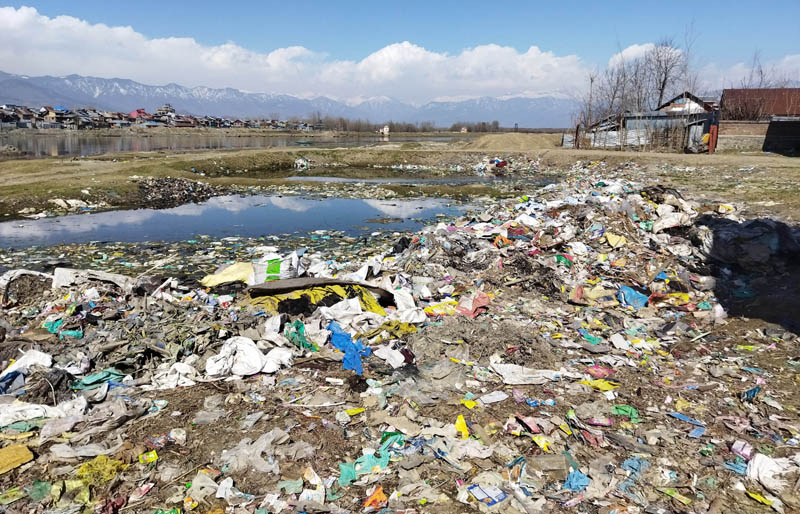
The Jhelum River, a lifeline for many communities in Sopore, Baramulla district, is in peril. The continuous dumping of garbage along its banks has not only transformed its serene beauty into a cesspool but also jeopardised the health of residents and the delicate ecosystem it supports. The unchecked accumulation of waste, particularly polythene bags and plastic bottles, has turned the once-pristine riverbank into a symbol of environmental degradation. Residents are witnessing firsthand the degradation of their surroundings, raising concerns about the long-term consequences for their health and well-being. The improper disposal of waste not only pollutes the water but also disrupts the fragile balance of the ecosystem, posing a threat to freshwater biodiversity. This pressing issue demands immediate attention to prevent irreversible damage.
The gravity of the situation cannot be overstated, especially considering that the Jhelum River serves as a vital source of drinking water for thousands of people in the town. The deteriorating condition of the river raises serious doubts about the quality and safety of the water supply. While the Municipal Council of Baramulla has initiated garbage collection services in various town wards, the challenge lies in finding suitable disposal sites for the amassed waste. The lack of proper waste management infrastructure exacerbates the problem, allowing garbage to pile up along the riverbanks with no viable solution in sight. This calls for a comprehensive approach that addresses both waste collection and disposal to effectively tackle the issue at its roots. It is time for the authorities to prioritise the protection of the Jhelum River and its surrounding ecosystem. Strict enforcement of environmental regulations, coupled with community engagement and awareness campaigns, is crucial to curbing the rampant dumping of waste. Additionally, investment in sustainable waste management practices, such as recycling and composting, can help mitigate the adverse impact on the environment. Furthermore, collaboration between local Government bodies, environmental agencies, and community organisations is essential to developing long-term solutions for waste management and river conservation. The time to act is now before it’s too late.
 Follow our WhatsApp channel
