

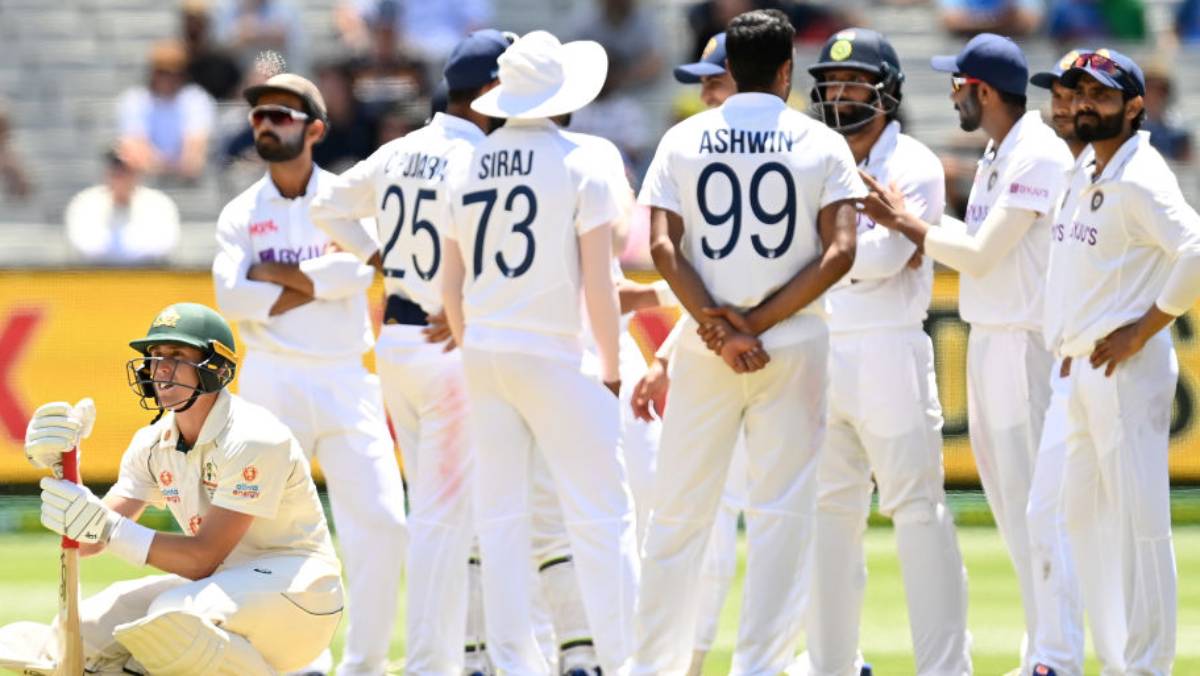
NEW DELHI: The entire Indian cricket contingent, including the five players who are in precautionary isolation, will travel to Sydney for the third Test against Australia together in the same chartered flight on Monday.
The five players — vice-captain Rohit Sharma, opener Shubman Gill, stumper Rishabh Pant, pacer Navdeep Saini and batsman Prithvi Shaw — have not been barred from travelling with the team despite an ongoing investigation into an alleged bio-security protocol breach by them.
Cricket Australia, in a media release on Saturday, said it is probing the matter jointly with the BCCI after a video of the players at an indoor restaurant was posted by a fan, who identified himself as Navaldeep Singh on Twitter.
“If you carefully read the CA statement, they never said that it’s a breach. They said that they are seeking to determine if it’s a breach.
“So there is no restriction on these five players travelling with the team to Sydney. The entire team is flying tomorrow afternoon,” a senior BCCI official told PTI on conditions of anonymity.
It is understood that the controversy has not gone down well with the travelling team and it is not amused with how Cricket Australia has so far handled the issue.
“Had the gentleman (the fan) in question not lied about hugging a player (Rishabh Pant) on social media, this mess wouldn’t have happened. The players had gone inside because it was drizzling.
“This guy, without permission, shot a video and then paid the bill which no one asked him to and after that for publicity put a screen grab of bill,” the official said.
“You want to tell me that Cricket Australia will be taking a decision based on a purported video of a person who first lied and then retracted his statement,” he added.
What was Administrative Manager Girish Dongre’s role?
For BCCI, the man under scanner is administrative manager Girish Dongre. Dongre is an employee of the BCCI and is supposed to handle and also keep the the team abreast about the COVID-19 protocols.
“The players are not supposed to carry the protocol sheets or remember every fine line written,” another BCCI official said.
“There is a professional team of people who have to ensure that every rule is being followed and it was Dongre’s duty to ensure that players are told that they can’t get into an indoor area,” he added.
Brisbane Test on as of now:
The Australian media on Sunday claimed that the fourth Test in Brisbane has been jeopardised as the tourists are reluctant to travel there in view of stricter quarantine rules.
But it is learnt that the fourth Test, starting at the Gabba from Janauary 15, is on as of now.
The border restrictions between New South Wales (venue of third Test in Sydney) and Queensland state government is a problem.
Queensland has closed its borders for people travelling from New South Wales due to the rising cases of COVD-19 in Sydney and surrounding areas.
However there will be an exception made for the Test match and players will be in a stricter bio-bubble, similar to the one in the IPL.
It could well happen that in order to play the Test match in Brisbane, the Indian team would have to be in a stricter bio-bubble from Sydney itself which would make for a hard quarantine (hotel-stadium-hotel) of around 15 days.
However, as of now BCCI has not taken any call on asking CA to shift the Test match from Brisbane to Sydney.
“It’s a fluid situation. Let’s wait for a few more days,” a BCCI official said. (AGENCIES)
Full Indian squad, including isolated five, travelling to Sydney together; Brisbane Test on as of now
Rohit Shetty to make digital debut with action-thriller drama
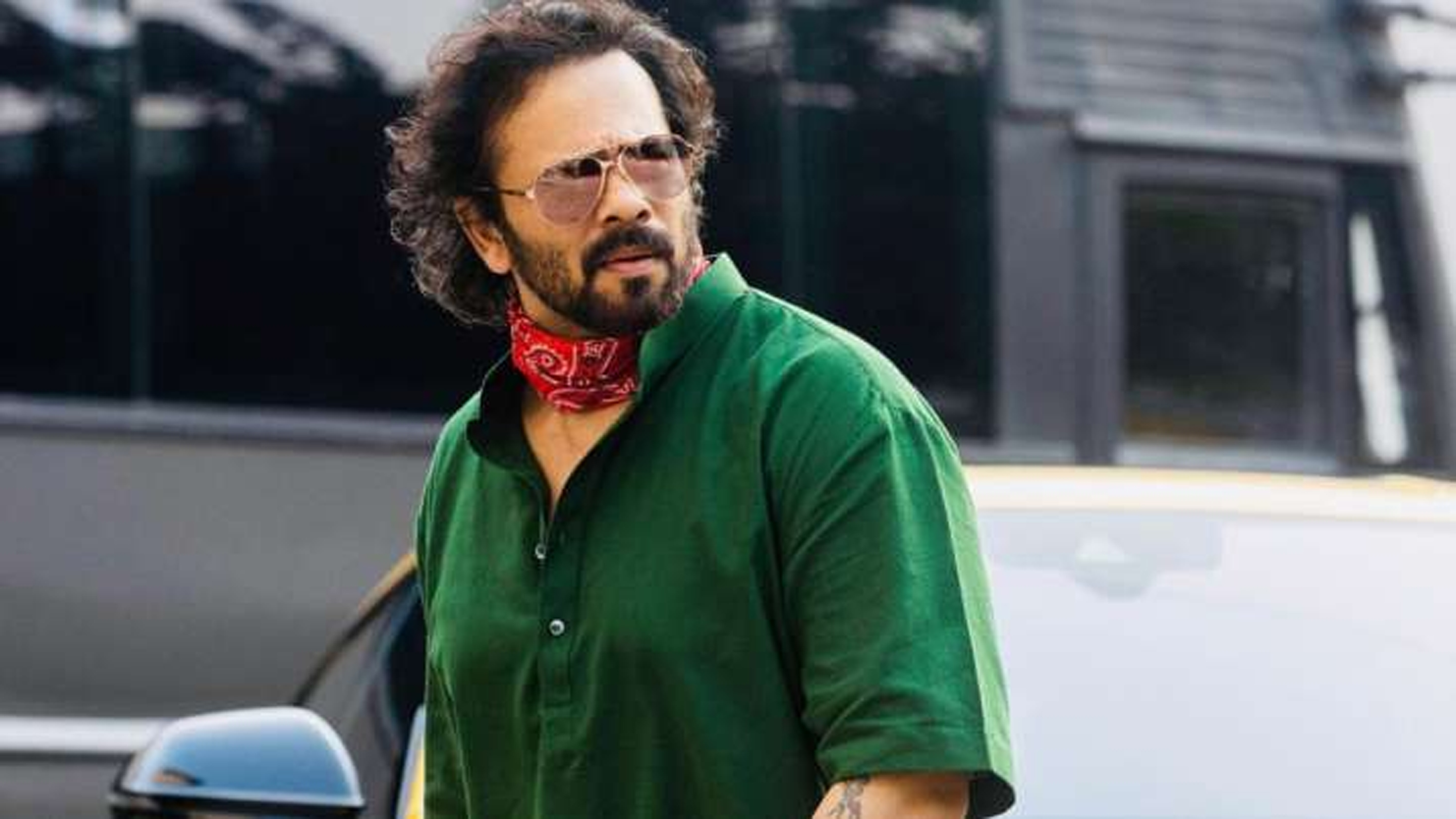
MUMBAI: Action-packed films are Rohit Shetty’s forte and the director is all set to make his digital debut with a web series which will be set in the same space.
The 47-year-old director, son of legendary stuntman-actor M B Shetty, is best known for actioners such as “Singham” series, “Simmba”, and action-comedies like “Golmaal” films, “All The Best: Fun Begins” and “Chennai Express”.
Shetty also made his TV debut as a host for popular action-adventure show “Fear Factor: Khatron Ke Khiladi” in 2014.
“Rohit will be the creator and showrunner of a cop action-thriller drama series consisting of about eight episodes. It is inspired by true events,” a source close to the film’s team said.
The yet-to-be-titled series will go on floors this year after Shetty wraps up “Cirkus”, which reunites the director with his “Simmba” actor Ranveer Singh.
Based on William Shakespeare’s classic play “The Comedy of Errors”, “Cirkus” revolves around two sets of identical twins who were accidentally separated at birth.
The film will be presented by Bhushan Kumar of T-Series in association with Reliance Entertainment. The makers are eyeing to release the film in the winter of 2021.
Shetty is also looking forward to the release of his much-awaited cop action feature “Sooryavanshi”, featuring Akshay Kumar and Katrina Kaif. The film, which was scheduled for a 2020 release, has been delayed due to COVID-19 pandemic.
“Sooryavanshi” is the fourth film in the filmmaker’s cop universe. The movie will see Ajay Devgn as Singham and Singh as Simmba in special appearances. (agencies)
Expansion plans for India, US should roll out in 2021: Lord Paul
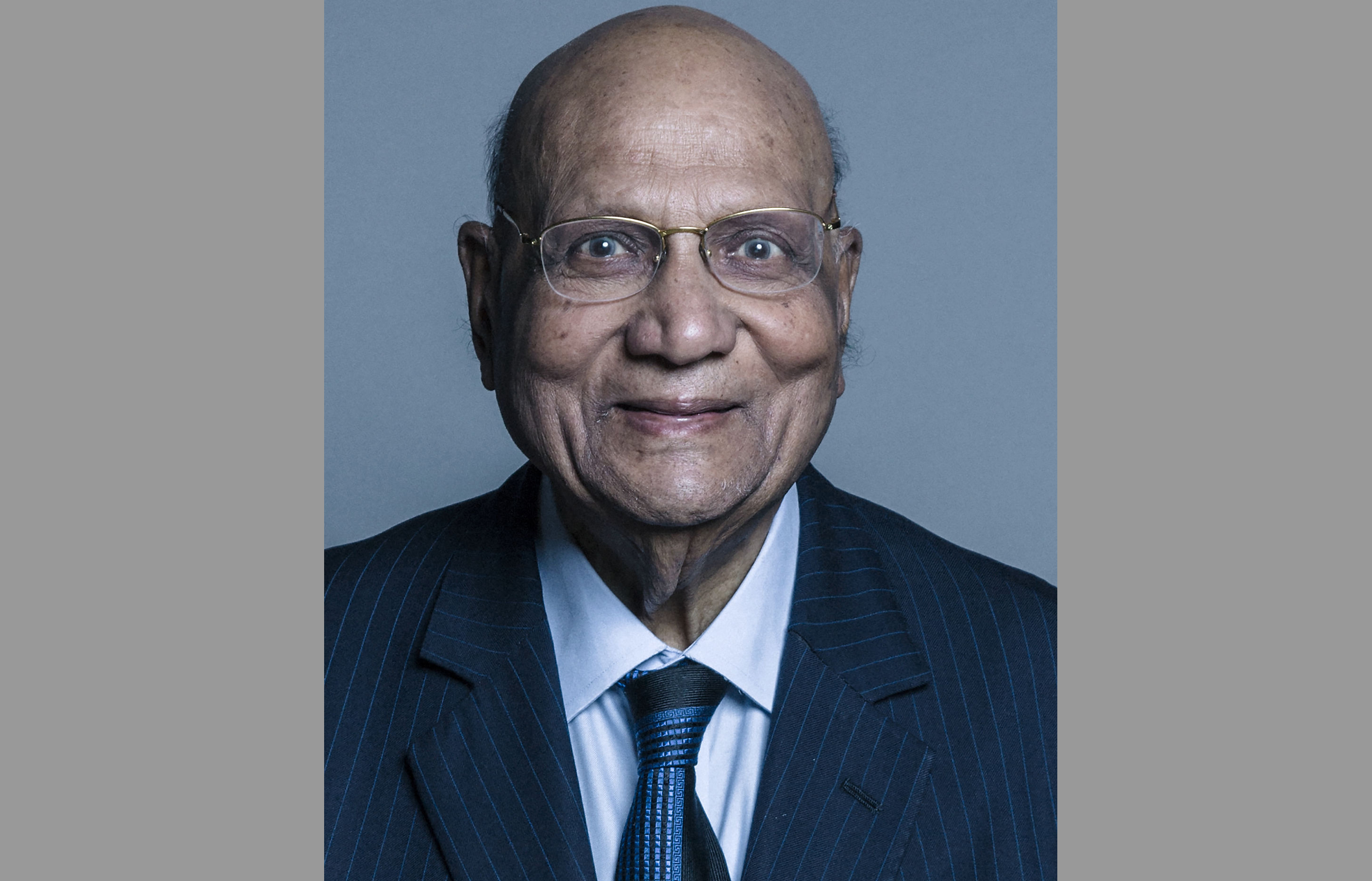
LONDON : Leading UK-based Indian-origin entrepreneur Lord Swraj Paul on Sunday said that his company Caparo Group’s expansion plans for the Indian and US market, which had to be slowed down due to the coronavirus pandemic related uncertainties, should pick up during the course of the New Year.
The industrialist said he remains hopeful that the situation will improve to allow the company’s job creation plans in the engineering sector for both markets.
The 89-year-old House of Lords peer said he hoped the harsh impact of the lockdown would start easing gradually in 2021.
“These are very difficult times and our expansion plans for India and the US had to be slowed but we remained committed to it and to create new jobs,” said Paul.
“There are vaccines and we can look to 2021 with hope,” said Paul, who has received his first of two jabs of the Pfizer/BioNTech vaccine against COVID-19.
The Caparo Group was founded by Paul in Huntingdon, England, in 1968. (AGENCIES)
Govt must withdraw farm laws unconditionally: Sonia
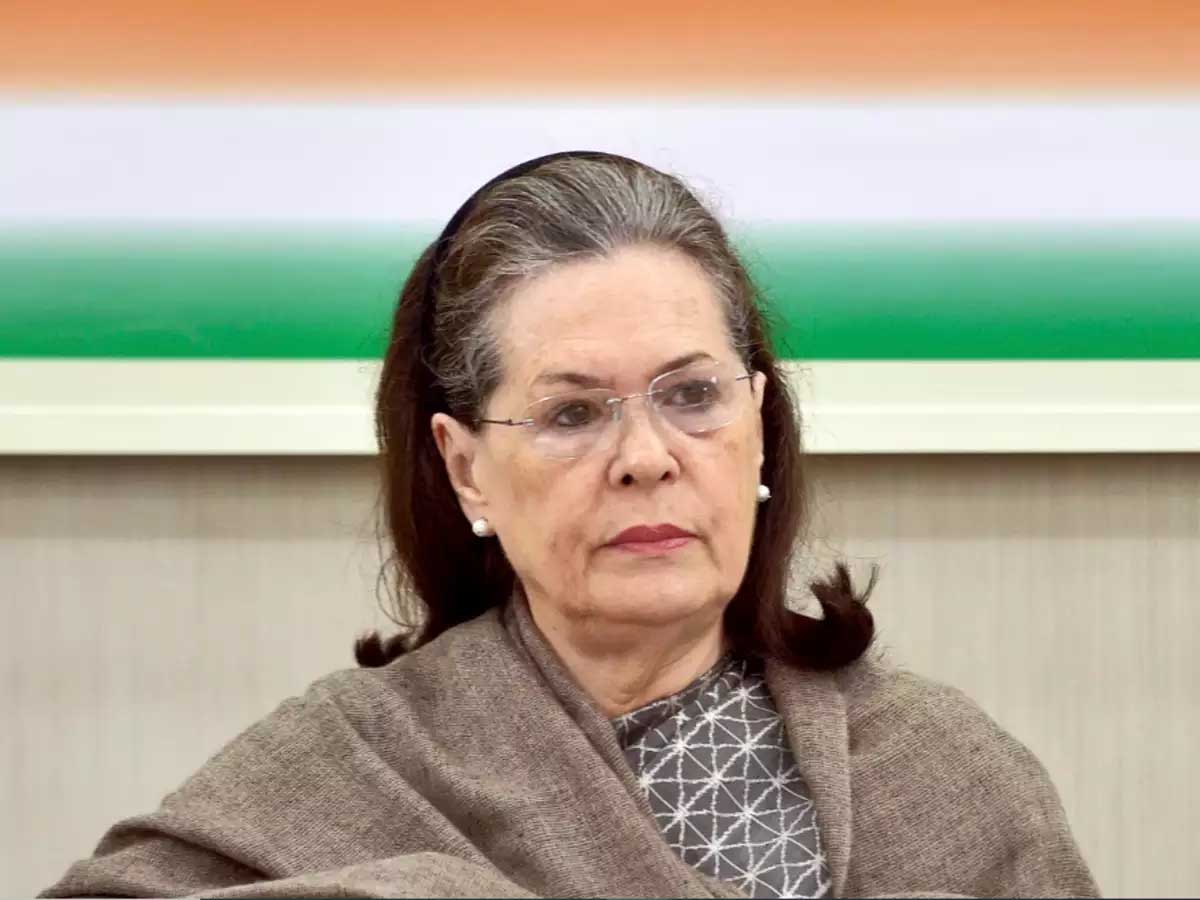
NEW DELHI : In a scathing attack on the Centre over the farmers’ protests, Congress president Sonia Gandhi on Sunday said that for the first time since independence such an “arrogant” Government has come to power that cannot see the sufferings of ‘annadatas’, and demanded that the new farm laws be immediately withdrawn unconditionally.
In a statement in Hindi, she said Governments and their leaders who ignore public sentiments in a democracy cannot govern for long and it is now quite clear that the protesting farmers will not bow in the face of the Centre’s policy of “tire and pushover”.
“There is still time, the Modi Government should leave the arrogance of power and immediately withdraw the three black laws unconditionally to end the agitation of the farmers who are dying in the cold and rain. This is Rajdharma and a true tribute to the farmers who have lost their lives,” Gandhi said.
The Modi Government should remember that democracy means protecting the interests of the people and the farmers-workers, she said.
“Along with the people of the country, I am also disturbed seeing the condition of the ‘annadatas’ who have been agitating for 39 days at the borders of Delhi in the bitter cold and rain in support of their demands,” Gandhi said.
In the wake of the Government’s apathy, so far, more than 50 farmers have lost their lives with some even taking the step of committing suicide due to the Government’s neglect, she said.
“But neither the heartless Modi Government relented nor the Prime Minister or any other minister uttered a word of consolation till today. I pay my respects to all the deceased farmer brothers and pray to the Lord to give their families the strength to bear this sorrow,” the Congress president said.
“Since independence, this is the first such arrogant Government that has come to power in the history of the country that, leave alone people, cannot even see the sufferings and struggles of ‘annadatas’,” she said.
It seems that ensuring profits for a handful of industrialists has become the main agenda of this government, Gandhi alleged.
The Congress has been seeking the repeal of the three new farm laws, alleging that they will ruin farming and the farmers. The Congress is also supporting the farmers’ agitation against the legislations.
After the sixth round of formal negotiations on Wednesday, the government and farm unions reached some common ground to resolve protesting farmers’ concerns over rise in power tariff and penalties for stubble burning, but the two sides remained deadlocked over the main contentious issues of the repeal of three farm laws and a legal guarantee for minimum support price (MSP).
Braving the cold, thousands of farmers, mainly from Punjab and Haryana, are protesting at various borders of the national capital for more than a month against these laws.
The government has presented these laws as major agriculture sector reforms aimed at helping farmers and increasing their income, but the protesting unions fear that the new legislations will leave them at the mercy of big corporates by weakening the MSP and mandi systems. (AGENCIES)
15 dead in roof collapse at Ghaziabad cremation ground
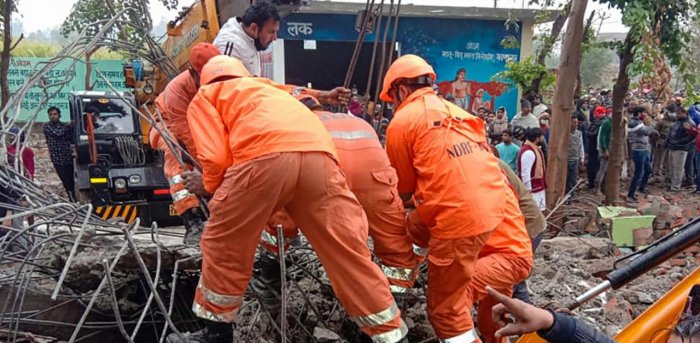
GHAZIABAD (UP) : Fifteen people were killed when the roof of a shelter at a cremation ground in Uttar Pradesh’s Muradnagar collapsed on Sunday, police said.
The roof collapsed when over 25 people had taken shelter at the structure. Most of them were relatives of Ram Dhan, who was being cremated at that time.
Hours later, rescue workers were still going through the rubble to locate more victims, Ghaziabad (Rural) Superintendent of Police Iraj Raja said. Several people are admitted at hospitals.
Uttar Pradesh Chief Minister Yogi Adityanath has condoled the deaths. (AGENCIES)
Kejriwal lauds scientists and doctors after approval to two COVID vaccines

NEW DELHI : Delhi Chief Minister Arvind Kejriwal on Sunday said that approval for the emergency use of two “made in India” vaccines will give a positive direction to the country’s fight against coronavirus.
Congratulating the countrymen, Kejriwal saluted the scientists and doctors for the achievement.
The Drugs Controller General of India (DCGI) on Sunday approved Oxford COVID-19 vaccine Covishield, manufactured by the Serum Institute, and indigenously developed Covaxin of Bharat Biotech for restricted emergency use in the country.
“Congratulations to all the countrymen. Approval by DCGI to emergency use of two made in India vaccines will give a positive direction to the country’s fight against corona. Salute to the scientists and doctors whose hard work helped us reach here,” Kejriwal tweeted in Hindi.
The approval was granted by the DCGI following the recommendation by the COVID-19 Subject Expert Committee (SEC) of the Central Drugs Standard Control Organisation (CDSCO).
This paves the way for the roll-out of at least two vaccines in India in the coming days and a massive inoculation drive against the coronavirus that has claimed over 1.49 lakh lives in the country. (agencies)
Each district to conduct CBRN combat mock exercise by 2023: NDRF DG
NEW DELHI : India is undertaking a mega exercise to conduct preparatory drills in each of its 740-odd districts by 2023 to combat various man-made and natural disasters with a special attention on tackling chemical, biological, radiological and nuclear (CBRN) attacks or accidents, the country’s disaster response force chief said.
The Union home ministry has entrusted the federal disaster management apparatus and the National Disaster Response Force (NDRF) to complete the first phase of this multi-agency exercise in three financial years, beginning 2020-21.
“Modern day man-made disasters will be CBRN disasters. It is very important to prepare for that…As it is an uncharted territory,” NDRF director general S N Pradhan said in an interview.
“We are going to be in the nuclear mode for power generation more and more. So, all this combines to the agenda that has to be CBRN oriented,” he said.
The nature of a CBRN challenge, he said, is that one cannot probably be really prepared for it in all manners as there have not been many such accidents that allow rescuers and experts to use and develop their skills against them.
“Yes, the apprehension is there that the CBRN challenges have not tested us that way…Some (incidents) have happened like the recent chemical leakage in Vizag and we could handle it efficiently but the real-time preparation is probably not feasible (for CBRN disasters) as we can prepare for natural disasters like cyclone and floods,” he said.
As NDRF is the frontline responder for CBRN disasters in the country, it is acting as the nodal agency for conducting this countrywide exercise, he said.
The DG said because of the “emphasis” laid by the government on all-round preparation for this challenge, preparatory work is being done and various central government ministries are working on the subject.
“I would say that the preparation is optimal (for tackling CBRN disasters) but it can become better with more and more coordination and more mock drills and that we have started doing,” the NDRF chief said.
Home Minister Amit Shah, he said, has “directed us” to hold at least one mock drill every three years in each of the about 740 districts of the country with the “focus” being on CBRN, he said.
One-third of the total districts will be covered per fiscal, he said.
“We are good at handling floods, cyclone but one cannot have experience to handle a chemical disaster unless we have a disaster of that sort. That gap has to be made up for…That experience gap has to be made up for by mock exercises. You have to simulate the situation…The more you simulate and the more you practise, the better it is,” he said.
In 2020-21, the agency has covered almost 45-50 per cent of the districts but due to the COVID-19 outbreak it has not been able to keep up with the calendar. “With the vaccine coming in, we will be able to complete the target for the current fiscal and for the next one within the stipulated time frame,” Pradhan said.
The NDRF DG explained the process of undertaking these mock drills with the involvement of various stakeholders of a district like health care, police, administration, fire services, voluntary service organisations and others.
Suppose a particular district has a big chemical plant so that will be the focus for the mock exercise. Similarly, if the district has a gas pipeline grid, that becomes the focus of the exercise. In case it has a nuclear reactor, it will be the focus of the exercise, he said.
“So, this is what we are doing. We are collaborating with the PSUs, private sector and state government machinery. The national disaster management authority (NDMA) has approved the entire calendar and has written to state governments to collaborate with the NDRF,” he said.
The DG said as the focus of these mock drills is CBRN, the force has tied up with various agencies in this domain, including the Bhabha Atomic Research Centre or the BARC.
During these drills, the NDRF is also making an inventory of various tools and logistics that are lying with the government, PSUs and private sector that can be used when a disaster strikes a particular region.
Pradhan expressed satisfaction that the states are also “waking up” to the challenges posed by CBRN catastrophes like seen recently (May) in Visakhapatnam where about 11 people were killed and hundreds affected after they were exposed to a chemical gas leakage emanating from a factory. (agencies)
Sonakshi Sinha to star in Shree Narayan Singh’s ‘Bulbul Tarang’

MUMBAI : Actor Sonakshi Sinha is set to play the lead role in director Shree Narayan Singh’s social-drama, tentatively titled “Bulbul Tarang”.
Like Singh’s previous films “Toilet: Ek Prem Katha” (2017) and “Batti Gul Meter Chalu (2018)”, his upcoming directorial venture will also be inspired by a true incident.
“The film has Sonakshi in the lead. It also stars veteran actor Raj Babbar. Tahir Raj Bhasin is most likely to be part of the film too. It is a social drama set in the heartland of India. It is about an age-old custom,” a source close to the film’s team said.
This project marks the first collaboration between Singh and Sinha, who has acted in both massy entertainers as well as content-driven movies like “Dabangg” series, “Lootera”, “Akira” and “Mission Mangal”.
“Bulbul Tarang” will go on floors in March-April, the insider said, adding it will have “a straight-to-digital release.”
Sinha is looking forward to the release of “Bhuj: The Pride of India”, also starring Ajay Devgn. The film is slated to be released worldwide on streaming platform Disney+ Hotstar.
Sinha is also making her digital debut with Amazon Prime Video series, reportedly titled “Fallen”. Directed by Reema Kagti, the web series also stars Gulshan Devaiah, Vijay Varma and Sohum Shah. (agencies)
BCI to move SC seeking 3-year practice at bar as condition to be judicial officer
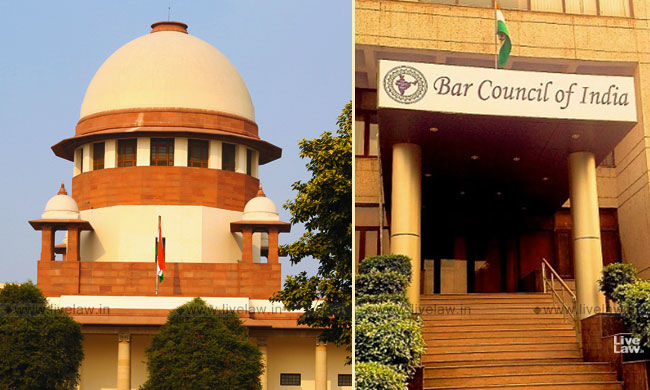
NEW DELHI : The Bar Council of India has said it will file an application before the Supreme Court seeking to make minimum 3-year practice at the bar necessary to become a judicial officer.
The BCI, the country’s apex lawyers’ body, said judicial officers not having practical experience as advocates are mostly found to be incapable and inept in handling matters.
Presently, fresh law graduates are being allowed to sit for Judicial Service Examination throughout the territory of India without having any practical experience at the Bar.
It said that BCI, along with all the State Bar Councils, are strongly in favour of a three year minimum experience as an advocate to be prescribed for being considered eligible to sit for a Judicial Service Exam.
“Judicial Officers not having practical experience at the Bar are mostly found to be incapable and inept in handling matters. Most of such officers are found impolite and impractical in their behaviour with members of the Bar and litigants.
“They have lack of understanding of the aspirations and expectations of advocates and litigants in the matter of proper and decent behaviour,” BCI Secretary, Srimanto Sen, said in a press release issued on January 2. The council said that the inexperience at the Bar was one of the primary and major reasons for delays in the disposal of cases in the subordinate Judiciary.
“Trained and experienced judicial officers can comprehend and dispose of matters at a much faster pace, thereby leading to efficient administration of justice,” it said.
The requirement of 3 year experience at the Bar had been done away with by the Supreme Court by passing an order in March 2002.
The BCI said it will file an application before the apex court to seek the modification of that order.
The statement came in the wake of a petition moved before the Supreme Court.
The Andhra Pradesh Public Service Commission had invited applications by a December 2020 notification for appointment of Civil Judges (Junior Division) in the AP State Judicial Services for advocates having a minimum eligibility requirement of three years as practicing advocate.
A plea has already been filed before the Supreme Court against the Andhra Pradesh notification in which the petitioner has challenged it on the grounds that the requirement of three year experience at the Bar is illegal and unwarranted.
On the plea, the top court, on December 30, has sought responses from the Andhra Pradesh government and the Registrar (recruitment) of the Andhra Pradesh High Court on a plea challenging the stipulated condition of three years practice as an advocate to be eligible for appearing in exam for appointment as civil judge in the state.
The BCI said it will be filing another application to seek impleadment as a party in the said matter and shall plead in favour of the urgency and requirement to have a minimum three year experience at the Bar as a requirement to be eligible to sit in the Judicial Service Exam. (AGENCIES)
Watershed moment in India’s battle against COVID-19: Health Minister

NEW DELHI : Union Health Minister Harsh Vardhan Sunday welcomed the emergency use approval for Oxford-AstraZeneca’s and Bharat Biotech’s vaccines against coronavirus and termed it a “watershed moment” in India’s battle against COVID-19.
India’s drugs regulator Sunday approved Oxford-AstraZeneca’s Covishield, manufactured in India by the Serum Institute, and indigenously developed Covaxin of Bharat Biotech for restricted emergency use in the country, paving the way for a massive inoculation drive.
Vardhan said the country’s wait for a COVID-19 vaccine is over with these approvals.
“A watershed moment in India’s famed battle against #COVID19 under the charismatic leadership of Hon’ble PM @narendramodi Ji ! Our wait for #COVID19 vaccine is over with COVISHIELD from @SerumInstIndia and COVAXIN from @BharatBiotech approved for emergency use in India,” Vardhan tweeted.
Calling these vaccines a fitting tribute to corona warriors, he expressed heartfelt gratitude to healthcare professionals and frontline workers for their efforts during these unprecedented times and congratulated all the scientists and researchers for their work.
“It’s now time to reap the benefits of the robust supply chain infrastructure we’ve put in place for quick and equitable distribution of the vaccine. Urge all citizens to entrust the stringent protocols followed for ensuring safety, efficacy & immunogenicity of the approved vaccines,” Vardhan said in another tweet.
The Drugs Controller General of India (DCGI) granted the approval on the basis of recommendations by a COVID-19 Subject Expert Committee (SEC) of the Central Drugs Standard Control Organisation (CDSCO).
“After adequate examination, CDSCO has decided to accept the recommendations of the Expert Committee and accordingly, vaccines of M/s Serum and M/s Bharat Biotech are being approved for restricted use in emergency situations,” DCGI Dr V G Somani told the media here. (AGENCIES)