

Procurement of fish species including shark to begin shortly
*To become prime tourist attraction in Jammu
Mohinder Verma
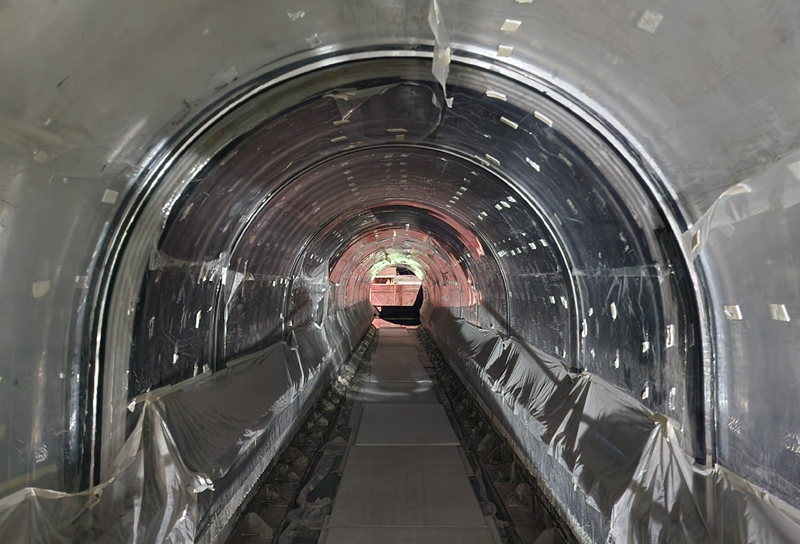
JAMMU, June 17: In a significant development, North India’s first Oceanarium and third in the country is nearing completion at Bagh-e-Bahu in Jammu and will be thrown open for visitors soon after procurement of fish species including shark. The Oceanarium will offer visitors an immersive marine experience showcasing a diverse range of aquatic life in the state-of-the-art displays.
Follow the Daily Excelsior channel on WhatsApp
Sanctioned by the Board of Directors of Jammu Smart City Limited (JSCL) during its 11th meeting in December 2021, the project faced initial delays due to procedural formalities. However, physical work commenced over a year ago and is now in its final stages, official sources told EXCELSIOR.
The project is Phase-II of Aquarium-cum-Awareness Centre and is being executed at an estimated cost of around Rs 19 crore. At present, the entire civil, electrical and mechanical works stand completed and finishing touches are being given by the company, which has been allotted the work by the Public Works Department.
A key highlight of the Oceanarium will be a 20-meter-long glass tunnel capable of holding around 4,00,000 liters of salt water. It will feature approximately 40 varieties of marine fish including sharks, offering visitors a truly immersive underwater experience. Officials informed that the process for procuring the fish species will begin in the coming days through the floating of tenders.
A water recycling plant has also been installed as the same is imperative for an Oceanarium for several crucial technical, environmental and operational reasons, sources said, adding “marine species especially sensitive ones like sharks require very specific water conditions (salinity, temperature, pH, ammonia/nitrite levels etc) and a water recycling system filters, oxygenates and sterilizes the water continuously to maintain optimal conditions preventing disease or stress in fish”.
In response to a question, sources said, “the marine fish species will be transported in a special container as they require special care and attention to prevent mortality”, adding “a Chennai-based company has already been roped for the operation and maintenance of Oceanarium for three years and thereafter a decision will be taken whether Fisheries Department will look it after or Annual Maintenance Contract (AMC) will have to be extended”.
Stating that Oceanarium will become a prime tourist attraction for being first of its kind in North India and third such project in entire country, they said that there are two other Oceanarium in India—VGP Marine Kingdom Chennai and Aquarium Paradise Bengaluru. The VGP Marine Kingdom is the first and largest underwater walk-through Oceanarium featuring overhead tunnels, life-size tanks, sharks, rays, rainforest and mangrove environments while as Aquarium Paradise features India’s longest underwater tunnel showcasing exotic fish, sharks, sea turtles etc.
An officer of the Fisheries Department said that an Aquarium and an Oceanarium differ primarily in scale, species and purpose. While an Aquarium typically houses a variety of freshwater and small marine species in relatively smaller tanks for educational and recreational purposes, an Oceanarium is a large-scale facility designed to simulate marine ecosystems, often featuring sharks, rays and other large sea creatures in massive saltwater enclosures.
An Oceanariums often include features like glass tunnels and panoramic viewing areas, offering an immersive, lifelike experience of the underwater world. They require advanced water recycling and filtration systems due to the complexity of maintaining stable marine environments. “In contrast, Aquariums are more common, less resource-intensive and usually cater to local public education and leisure, while Oceanariums serve as major tourist attractions and marine conservation centers”, he added.
 Follow our WhatsApp channel
