

100-day anti-drug drive gets grassroots push
Excelsior Correspondent
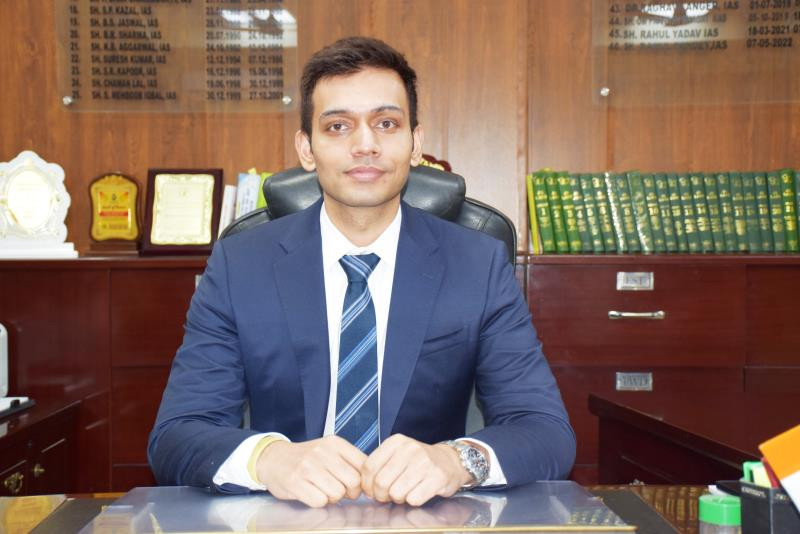
JAMMU, Apr 27: In a decisive move to intensify the fight against drug abuse, the District Magistrate Jammu Dr Rakesh Minhas has ordered the constitution of Village/Ward-Level Nasha Nigrani Samitis across the district, marking a major step towards a community-driven anti-drug mechanism under the ongoing 100-day campaign.
The order underscores that the growing menace of drug abuse poses a serious threat to public health, social harmony and youth development, necessitating sustained local vigilance and collective responsibility. It emphasizes that community participation is crucial for early identification, intervention, and effective information flow.
These Samitis will comprise responsible local residents and function as grassroots surveillance and support units aimed at detecting, preventing and responding to drug-related activities in villages and urban wards.
A District Control Room has already been established within the Emergency Operations Centre (EOC) in the Deputy Commissioner’s office, integrating officials from Police, Health and Social Welfare Departments to ensure real-time coordination and response.
Each Nasha Nigrani Samiti has been entrusted with a comprehensive four-fold mandate, beginning with detection and surveillance. Members will report the sale of banned substances, identify individuals showing signs of addiction and maintain confidential village register. They will also monitor suspicious activities such as drug peddling, unusual movement of unknown persons, and even drone or cache activity near villages.
Importantly, the Samitis have been tasked with flagging the informal sale of prescription drugs such as tramadol, codeine syrups, alprazolam, and pregabalin. They may also organize day and night vigil at key entry and exit points to prevent infiltration by drug peddlers.
The order clearly delineates the role of Samitis as support-oriented rather than punitive. Members will act as the first non-stigmatizing point of contact for families, guiding addicts towards treatment facilities and ensuring follow-up on rehabilitation. It explicitly bars any member from approaching law enforcement for action against addicts, reinforcing a humane and reformative approach.
A robust reporting mechanism has been put in place, mandating weekly reports to Block Development Officers (BDOs) every Friday. These reports will cover new cases, referrals, awareness activities and intelligence inputs. For urgent cases such as active peddling or a child in danger, the Samiti must immediately inform the EOC, which will act within a strict timeline-forwarding the case within one hour, seeking action taken reports within 12 hours and providing feedback within 24 hours. Delays will be escalated to the Deputy Commissioner and SSP.
The order categorically prohibits Samitis from exercising any executive or policing powers. Activities such as raids, searches, detention, intimidation, or public shaming are strictly barred. Misuse of membership for personal, political, or financial gain will invite immediate removal.
Confidentiality has been stressed as paramount, with all information, including the identity of addicts and families, to remain strictly protected.
Block Development Officers have been made directly accountable for the functioning of Samitis, including weekly reviews, field visits and consolidation of reports. At the sub-divisional level, SDMs and Superintendents of Police will conduct bi-monthly performance reviews and forward intelligence inputs to the EOC.
At the district level, annual anti-drug awards will be conferred on Independence Day and Republic Day to recognize the best-performing Samiti, most active youth member and top-performing BDO.
To incentivize performance, the best Samiti in each block will receive community assets such as sports equipment or notice boards, funded through MGNREGS or the District Mineral Fund. This initiative signals a shift towards a decentralised, community-led model in combating drug abuse, placing responsibility and empowerment directly in the hands of the people.
 Follow our WhatsApp channel
