

Digital gap in J&K’s education sector
*Gender disparities persist in sanitation facilities
Mohinder Verma
JAMMU, Nov 4: At a time when the world is rapidly transitioning towards digital classrooms, Artificial Intelligence tools and online learning resources, most of the Government schools in the Union Territory of Jammu and Kashmir remain distressingly ill-equipped for the digital age.
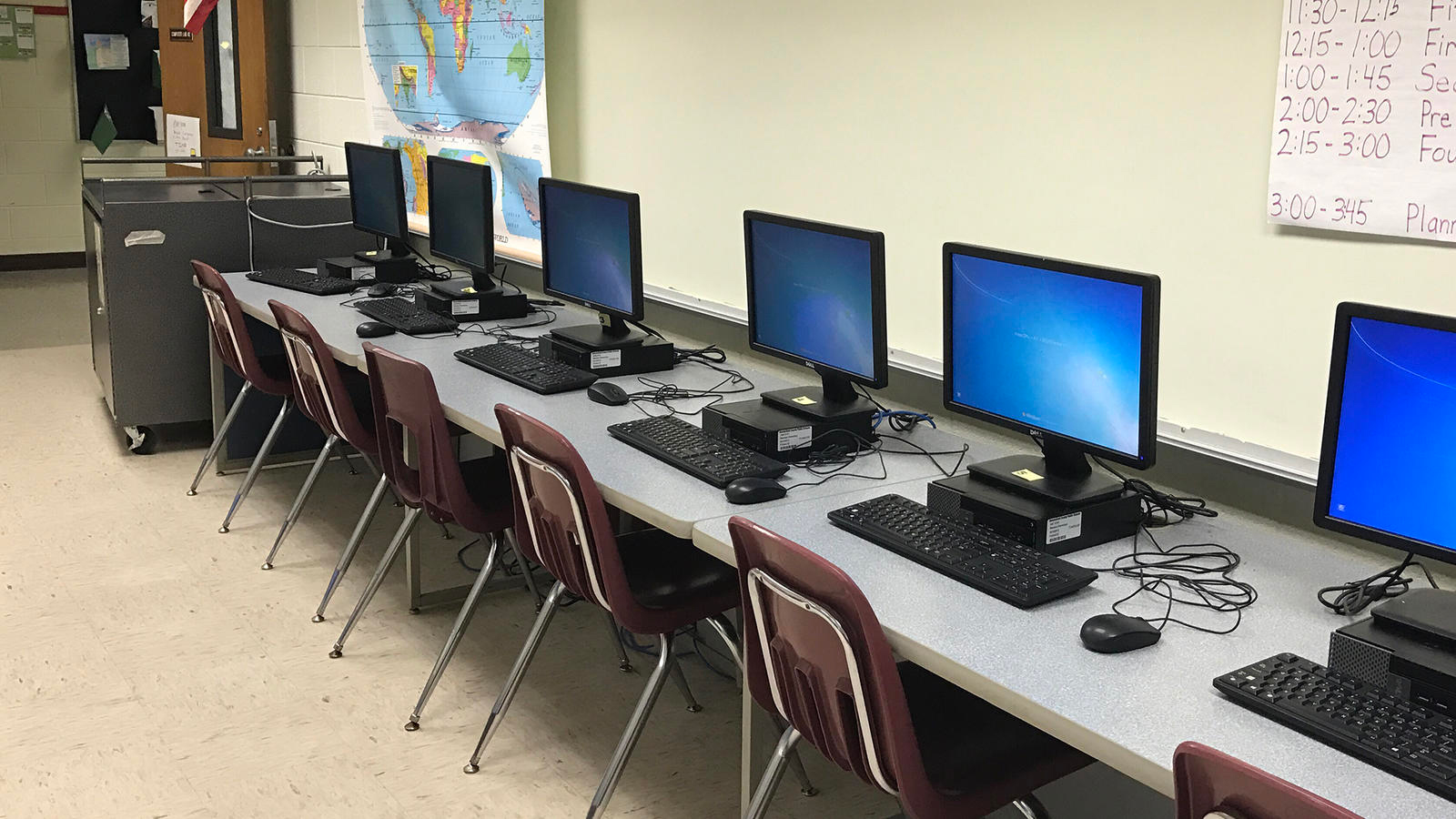
Official figures reveal that there are total 18,724 Government schools across the Union Territory of Jammu and Kashmir and computer facility is available only in 43.10% schools as on date. Similarly, internet facility is available in 49.10% schools—a revelation that highlights the digital gap in the education sector.
This data reflects a harsh reality that despite repeated assurances and policies aimed at modernizing the education system, thousands of students in J&K continue to study in classrooms that are cut off from even the most basic technological tools, official sources told EXCELSIOR, adding “the absence of computers and internet connectivity means that a significant proportion of the student population is being deprived of opportunities to develop digital literacy—a skill that has become indispensable in today’s knowledge-based world”.
Follow the Daily Excelsior channel on WhatsApp
“The authorities of the School Education Department are blaming the Bharat Sanchar Nigam Limited (BSNL) as far as making available internet facility is concerned. In the official circles, it is claimed that Memorandum of Understanding has been signed between Samagra Shiksha and BSNL but due to slow pace of work by BSNL the facility has not been provided in all the Government schools”, sources informed.
“Regarding the lack of computer facilities, officials in the School Education Department attribute the issue largely to inadequate funding”, sources said, adding “it is claimed by the department that many schools, especially in rural and hilly areas, have been unable to procure or maintain computer systems due to limited budget allocations under existing schemes”.
“In several cases, even when computers were supplied, the absence of recurring funds for maintenance, software updates, and technical support rendered them unusable over time”, sources said while disclosing that a proposal for providing computer facility in all the Government schools is being prepared and will be projected before the Union Government for financial assistance.
“In the absence of computer and internet facilities, thousands of students remain deprived of basic digital literacy opportunities, while teachers struggle to integrate technology into classroom learning”, sources said, adding “while private institutions have made significant strides in adopting smart classrooms, digital learning modules and online resources, the Government sector has failed to keep pace”.
“Digital literacy today is as fundamental as reading and writing. The fact that half of Government schools lack internet access and computer facilities reflects a serious policy failure and due to this, the gap between urban and rural students is growing at an unprecedented rate”, they further said, adding “the issue assumes even greater significance in the light of the National Education Policy (NEP) 2020, which emphasizes the integration of technology in all stages of learning”.
It is pertinent to mention here that the NEP advocates the use of digital platforms, e-content and interactive learning to improve quality and accessibility. However, in Jammu and Kashmir, where many schools still operate in remote and hilly areas, the lack of basic digital infrastructure makes it difficult to achieve the goals of digital education in the region.
During the COVID-19 pandemic, when education systems across the globe shifted to online learning, the limitations of J&K’s school infrastructure were starkly exposed. Thousands of students from rural and economically weaker sections were left behind as schools lacked the means to conduct virtual classes. Even after the pandemic, progress in building digital capacity has been slow.
According to official data, basic sanitation facilities in schools across Jammu and Kashmir show noticeable disparities. While boys’ toilets are available in about 95.58% of schools, only 88.94% of schools have separate toilets for girls. This gap highlights a continuing challenge in ensuring gender-friendly infrastructure in the education sector.
“The absence of proper toilet facilities, particularly for girls, often affects attendance and retention rates, especially at the upper primary and secondary levels”, sources said.
 Follow our WhatsApp channel
