

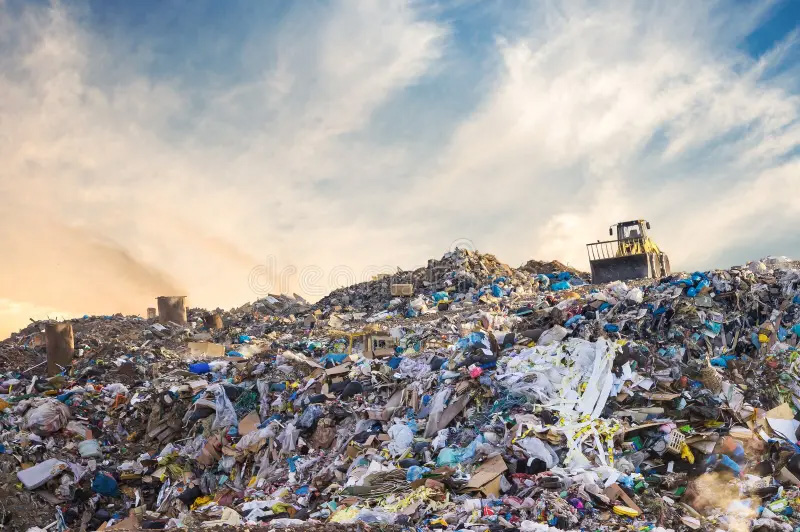
The affidavit filed by the UT Government before the NGT in compliance with Solid Waste Management Rules, 2016, is not merely a legal document – it is a mirror that reflects an uncomfortable truth. Jammu & Kashmir generates a staggering 1,557 tonnes of municipal solid waste every single day, and the infrastructure to deal with it remains woefully incomplete. This is not just an administrative failure; it is a slow-burning environmental and public health emergency. What is particularly alarming is that even the two largest urban bodies – SMC generating nearly 550 TPD and JMC contributing approximately 380 TPD – are not fully geared up for scientific disposal of the waste they generate daily. If the flagships of urban governance are struggling, the condition of smaller municipalities can only be imagined. Towns like Bandipora, Pattan, Langate and Uri continue to dump portions of their waste at local dumpsites simply because processing facilities are either absent or unfinished. Tenders are floated, works allotted, and MoUs signed – yet the garbage keeps piling up.
Here lies the great irony. Solid waste, when handled intelligently, is not a burden but a bonanza. Nothing recyclable is truly waste – it is an investment in sustained future income. Wet waste yields compost; dry waste yields Refuse Derived Fuel and recyclable materials. J&K already produces significant quantities of RDF, yet the Government itself has admitted that not a single dedicated RDF pellet or briquette plant exists anywhere in the Union Territory. The combustible material sits loosely stored at processing sites, its economic potential squandered while proposal meetings drag on. The cost of this continued inaction is not merely financial. Open dumping pollutes streams, rivers and underground water – resources that an ecologically sensitive region like J&K can least afford to compromise. Open burning of waste releases toxic fumes, making it no solution at all from an environmental standpoint. Festering dumpsites breed disease vectors, threatening communities that live in their shadow. Every day of delay compounds these hazards beyond what any responsible Government can afford to ignore.
J&K must treat solid waste management as a race against both time and volume. Projects stalled by public interference, natural damage or bureaucratic inertia must be fast-tracked on a war footing. Scientific processing facilities must become non-negotiable, not aspirational. The Union Territory must urgently pivot from seeing garbage as a problem to treating it as the gold mine that it undeniably is.
 Follow our WhatsApp channel
