

NEW DELHI, May 29: Institutional deliveries in India have increased from 88.6 per cent in 2019-2021 to 90.6 per cent in 2023-24, moving closer towards universal coverage, according to the National Family Health Survey-6 released on Friday.
According to the NFHS-6 data for 2023-24, 95.9 per cent of pregnant women received antenatal care (ANC), while mothers receiving ANC in the first trimester increased from 70 per cent to 76.2 per cent.
Mothers receiving at least four ANC visits also increased from 58.5 per cent to 65.2 per cent, reflecting stronger continuity of maternal healthcare services.
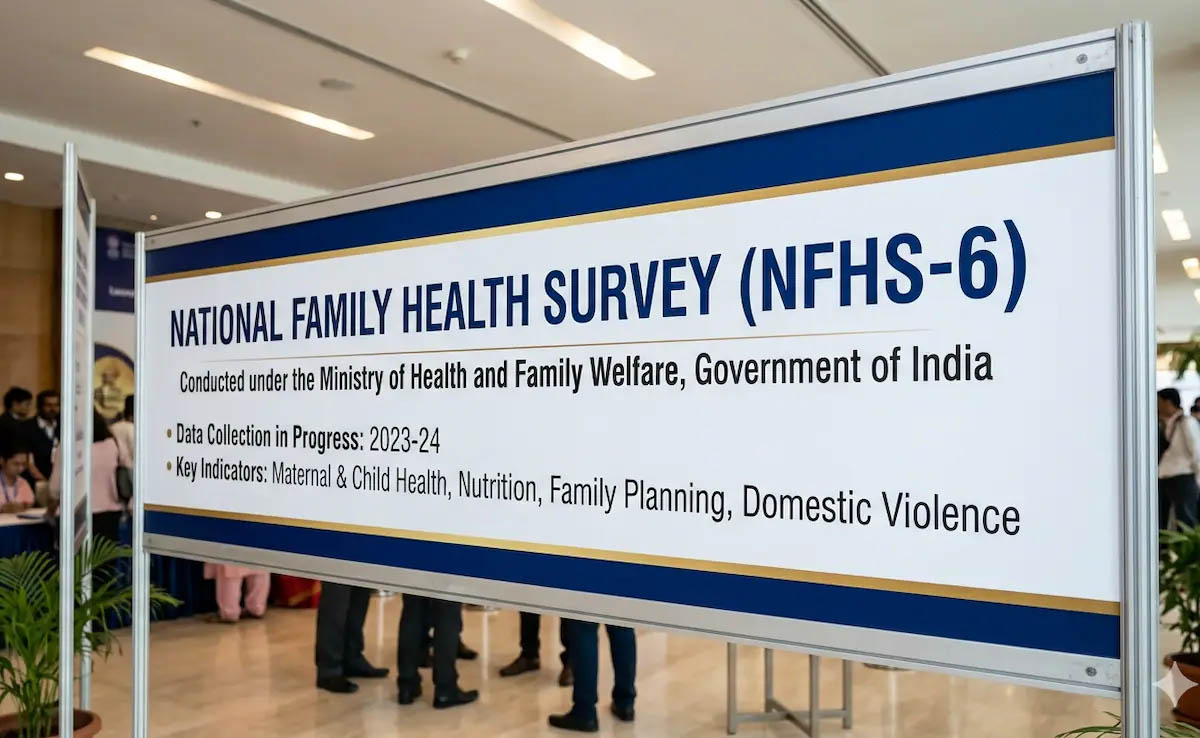
The NFHS-6 was conducted during 2023-24 by the Ministry of Health and Family Welfare with the International Institute for Population Sciences (IIPS), Mumbai as the nodal agency.
Covering nearly 6.79 lakh households across 715 districts, the survey provides vital evidence on population, health, nutrition and family welfare indicators and supports evidence-based planning and programme implementation up to the district level.
Institutional deliveries increased from 88.6 per cent in 2019-2021 (NHFS-5) to 90.6 per cent in 2023-24, moving India closer towards universal coverage, according to the data.
Institutional deliveries refer to the process of giving birth in a licensed healthcare facility under the supervision of professionals. This practice drastically reduces maternal and neonatal mortality by providing access to emergency obstetric care, hygienic conditions and specialised medical equipment.
Births attended by health personnel improved from 89.4 per cent to 91.3 per cent, while postnatal care for newborns by Doctor/Nurse/Lady Health Visitor (LHV)/Auxiliary Nurse Midwife (ANM)/Midwife/other health personnel within two days of delivery improved from 79.1 per cent to 85.3 per cent, the data showed.
Maternal nutrition indicators also showed notable improvement. Mothers consuming iron folic acid supplements for 100 days or more during pregnancy increased from 44.1 per cent to 54.9 per cent, while those consuming supplements for 180 days or more rose from 26.0 per cent to 37.8 per cent, the Survey said.
“These gains reflect strengthened public health infrastructure and improved access to maternal and child healthcare services across the country, driven by focused implementation of initiatives such as Janani Suraksha Yojana (JSY), Janani Shishu Suraksha Karyakram (JSSK), Pradhan Mantri Surakshit Matritva Abhiyan, Surakshit Matritva Aashwasan (SUMAN), Facility Based New-born Care, Home-Based New-born Care, and Pradhan Mantri Matru Vandana Yojana (PMMVY 2.0),” the health ministry said.
These programmes have enhanced antenatal and postnatal care coverage, ensured quality care during pregnancy and childbirth and promoted safe motherhood and child health practices, it added. (PTI)
 Follow our WhatsApp channel
